
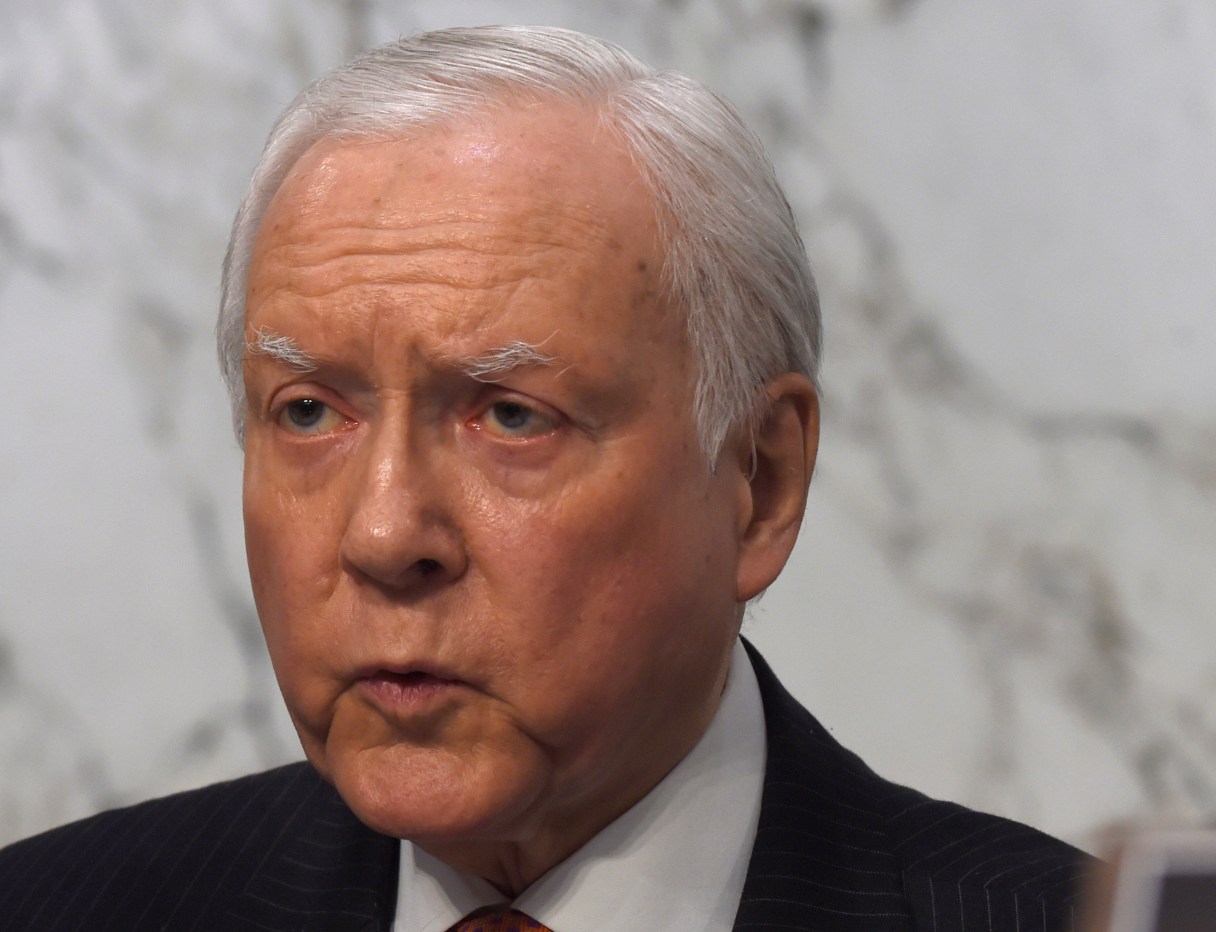
WASHINGTON (AP) – A small, influential group of Republicans in search of a replacement health care law intends to propose tax credits to help lower-income individuals and families purchase insurance, while simultaneously jettisoning the controversial coverage requirement in the current law, officials said Wednesday.
The proposal is part of an outline that Sen. Orrin Hatch, Sen. Richard Burr and Rep. Fred Upton plan to make public on Thursday, and will be an early marker in a series of competing recommendations likely to be floated in advance of an expected Supreme Court ruling in June on the constitutionality of a key part of the law known as “Obamacare.”
Hatch, from Utah, is chairman of the Senate Finance Committee, which has jurisdiction over much of the current law. Burr, R-N.C. is a member of the panel. Upton, R-Michigan, chairs the House Committee on Energy and Commerce, which has significant authority over the law in the House.
Aides to Hatch and Burr declined comment. Upton declined to provide any details of the plan, but said on Tuesday the effort is aimed at “being prepared to talk about something we could support” if the court strikes down a part of the law that provides subsidies for millions who purchase coverage under the current arrangement.
Like other alternatives expected to follow, the starting point for the three lawmakers is repeal of the current law, which Republicans voted against unanimously when it passed in 2010 and have tried repeatedly to uproot since then.