
Saturday, November 14, 2026Nov 14

Q&A: The mechanics of the Trump Russia special counsel

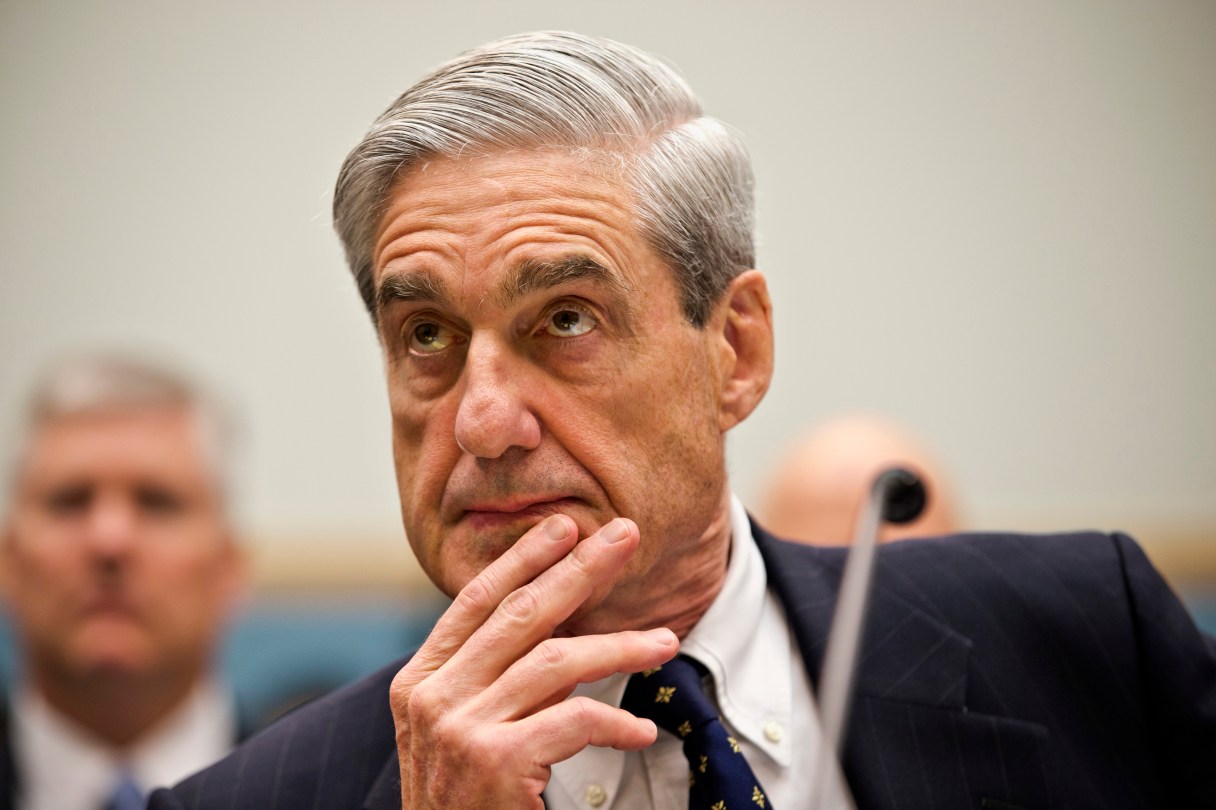
FILE - In this June 13, 2012, file photo then-FBI Director Robert Mueller listens as he testifies on Capitol Hill in Washington. Mueller took office as FBI director in 2001 expecting to dig into drug cases, white-collar misdeeds and violent crime. A week later was Sept. 11. Overnight, his mission changed and Mueller spent the next 12 years wrestling the agency into a battle-hardened terrorism-fighting force. (AP Photo/J. Scott Applewhite, File)

WASHINGTON (AP) – Q. What will Robert Mueller do as special counsel?

A. Mueller is supposed to carry on the investigation that former FBI Director James Comey told Congress about before he was fired by President Donald Trump. That includes any links between Trump campaign associates and Russia, as well as “any matters that arose or may arise directly from the investigation,” according to the letter appointing him.

Q. What are a special counsel’s powers?

A. Under Justice Department regulations, a special counsel has all the authority of a U.S. attorney, including the ability to initiate investigations, subpoena records and bring criminal charges. One difference, however: Special counsels get to choose whether they inform the Justice Department what they’re up to. Before taking “significant” actions, however, the special counsel must notify the attorney general.

Q. Could a special counsel investigate things beyond simply the Russia connection?