
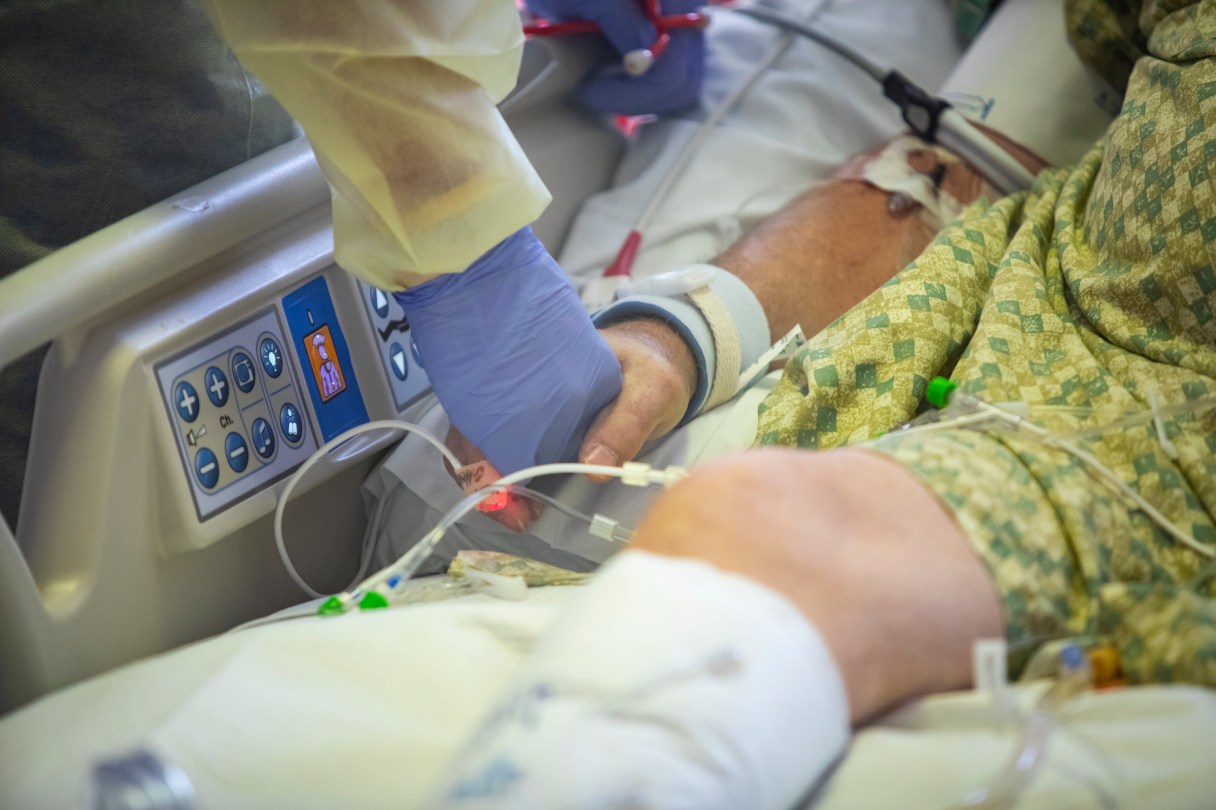
Twenty years ago, when I was working in the intensive care unit, I saved a young man’s life. He was 19 years old, and he was frothing at the mouth from life-threatening fluid filling his lungs after he injected heroin. I did nothing brilliant – I simply placed a breathing tube in his throat so he could receive oxygen through a ventilator, a routine procedure in every hospital. Two days later, he was better and walked out of the hospital. But the story wasn’t so simple.
While the patient was gasping for air before I placed the tube, he told me he did not want the tube in his throat. I quickly explained to him that without the tube and the ventilator, he would die. But even as he was close to death, he was still adamant that he did not want the tube. I had to make a split-second decision, and I disregarded his wishes and placed the tube. When he left the hospital, he neither thanked me nor castigated me.
When members of my staff reviewed the case, several of them were furious with me. They vehemently disagreed with the decision to ignore his wishes and place the tube, even if it meant he died. I explained that in the heat of the moment, I felt that he was speaking out of fear and that I could not be certain that was a true expression of his wishes. Those who disagreed were unmoved – I had violated the patient’s autonomy, and they were adamant that was the one sacrosanct value that doctors should never reject.
I bring this up to illustrate a fundamental conflict in the debate about COVID-19 vaccination, a debate that the medical community has unwittingly encouraged.
For at least 50 years, autonomy – the patient’s right to determine his or her own care – has been stressed by both the medical and lay communities as the paramount value in medicine. Self-determination is embedded in the American ethos and has a long tradition in American medicine, dating to a 1914 medical negligence case. Autonomy, often restated as “my body, my decision,” is the bedrock principle behind medical issues including abortion, physician-assisted death and informed consent to treatment.