
KEENE, N.H. (AP) – Fifty years after Jonathan Daniels was shot dead by an ardent segregationist in Alabama, the people who stood with him then lament today’s killings of blacks by police and the racially motivated slaying of nine black worshippers as stark reminders of the country’s persistent racial divide.
Daniels, a 26-year-old white seminary student from Keene, New Hampshire, had traveled to Lowndes County, Alabama, to register blacks to vote, a vital component of the civil rights movement. Tom Coleman, a white 54-year-old highway engineer infuriated by what he saw as liberal meddlers out to upset the racial order in his hometown, shot him in the chest.
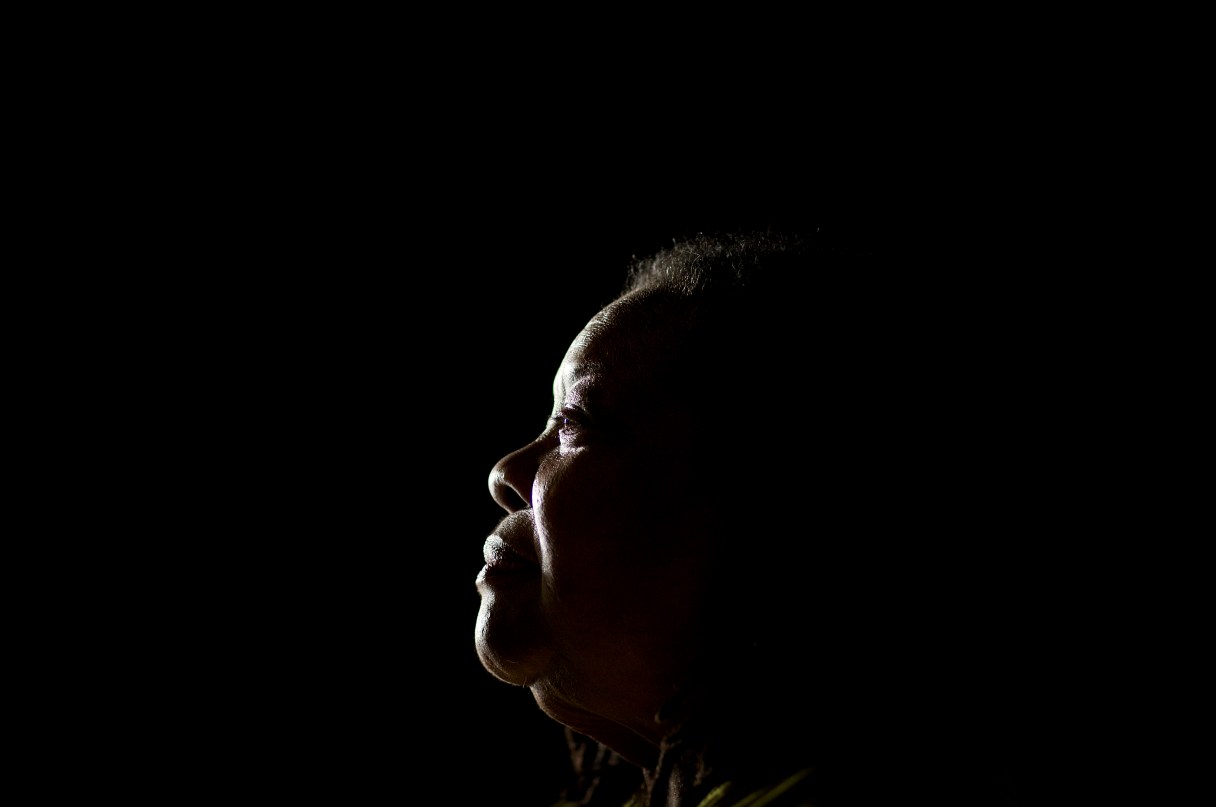
Ruby Sales was a black 17-year-old secretary with the Student Nonviolent Coordinating Committee who met Daniels when she went to Lowndes County. Sales, who founded and directs The SpiritHouse Project, an Atlanta-based nonprofit dealing with discrimination, wonders just how far the country has come since Daniels died, seeing stories of blacks killed by police in Ferguson, Baltimore, New York and Cincinnati, along with the church shooting in Charleston, South Carolina.
“Race relations today in the United States are an extension of that time period,” she said. “Tom Coleman was able to kill Jonathan Daniels under the cover of the law. Despite the fact that it has been 50 years, we are still operating in a culture where police and vigilantes can murder African-Americans.”
In 1991, the Episcopal Church added Daniels to its roster of martyrs and celebrates his life on Aug. 14, the day of his arrest in Alabama. The Rt. Rev. Robert Hirschfeld, bishop of the Episcopal Church of New Hampshire, said Daniels’ work must be carried on today to combat the “unholy trinity” of racism, poverty and gun violence.