
Friday, November 13, 2026Nov 13

NYC, state reach deal on mass transit capital funding

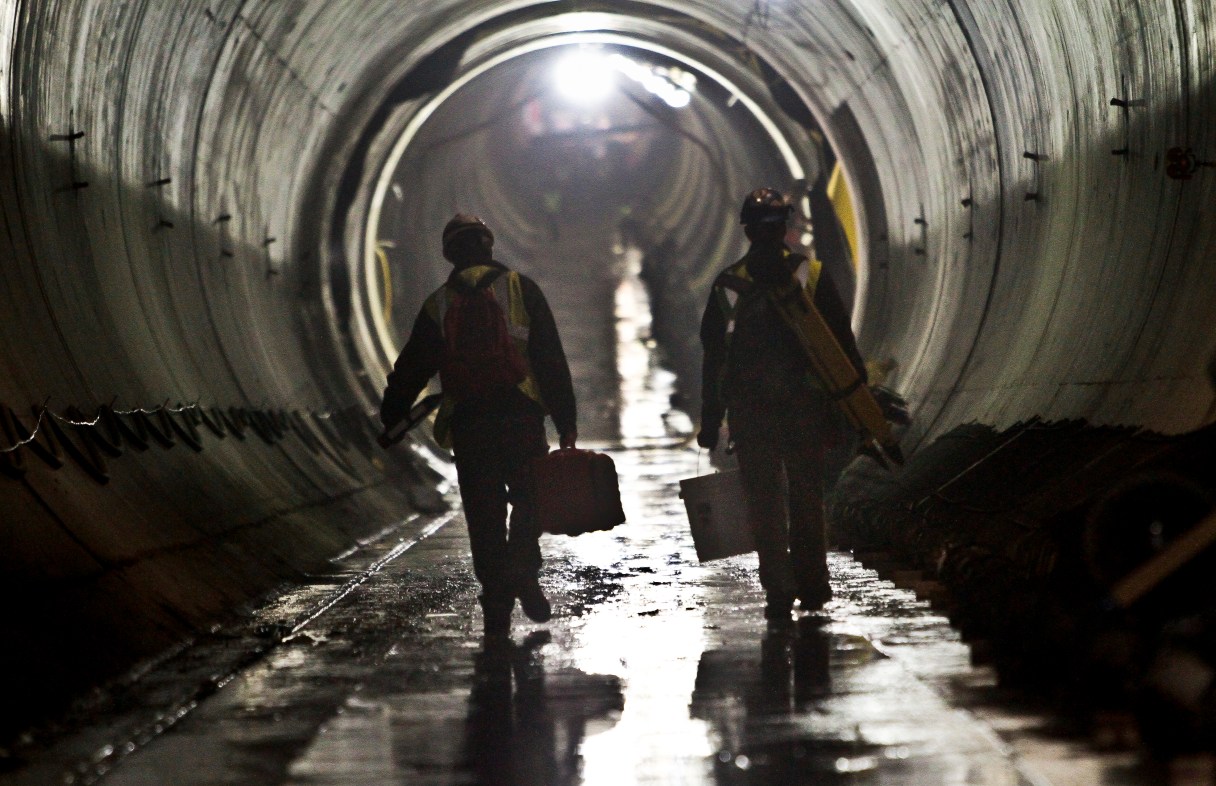
FILE - In this May 2, 2014, file photo, construction workers walk between the 72nd Street and 86th Street section of the Second Avenue subway tunnel in New York. The Metropolitan Transportation Authority has about a $29 billion modernization plan that would add high-tech control systems, replace old subway cars and buses and expand service on North America's largest transit system. But a dispute over who should pay for the work threatens to undermine the work. (AP Photo/Bebeto Matthews, File)
FILE - In this May 2, 2014, file photo, construction workers walk between the 72nd Street and 86th Street section of the Second Avenue subway tunnel in New York. The Metropolitan Transportation Authority has about a $29 billion modernization plan that would add high-tech control systems, replace old subway cars and buses and expand service on North America's largest transit system. But a dispute over who should pay for the work threatens to undermine the work. (AP Photo/Bebeto Matthews, File) FILE - In this May 2, 2014, file photo, construction workers walk between the 72nd Street and 86th Street section of the Second Avenue subway tunnel in New York. The Metropolitan Transportation Authority has about a $29 billion modernization plan that would add high-tech control systems, replace old subway cars and buses and expand service on North America's largest transit system. But a dispute over who should pay for the work threatens to undermine the work. (AP Photo/Bebeto Matthews, File)

NEW YORK (AP) – A deal has finally been struck to fund the New York City region’s mass transit capital spending program, ensuring that vitally needed infrastructure upgrades – including repairs to damage wrought by Superstorm Sandy – will be underwritten for the next five years.

The $26.1 billion agreement to fund the Metropolitan Transportation Authority was jointly announced Saturday by Gov. Andrew Cuomo and Mayor Bill de Blasio, who had spent weeks sniping at each other about the city’s contribution as the Oct. 28 deadline to adopt the plan loomed.

In the end, the city upped its offer late this week to $2.5 billion. The state is contributing $8.3 billion and the rest is made up of pre-existing dedicated revenue streams.

Both men released statements stressing the importance of the MTA – de Blasio called it “the backbone” of the region’s economy, while Cuomo opted for “the lifeblood of New York” – and praising the deal, which features the city’s largest contribution to the capital fund.

The warm words stand in sharp contrast to the men’s bickering in recent weeks as the fate of the MTA program became the latest front in the ongoing battle between two Democrats who once considered themselves friends.