
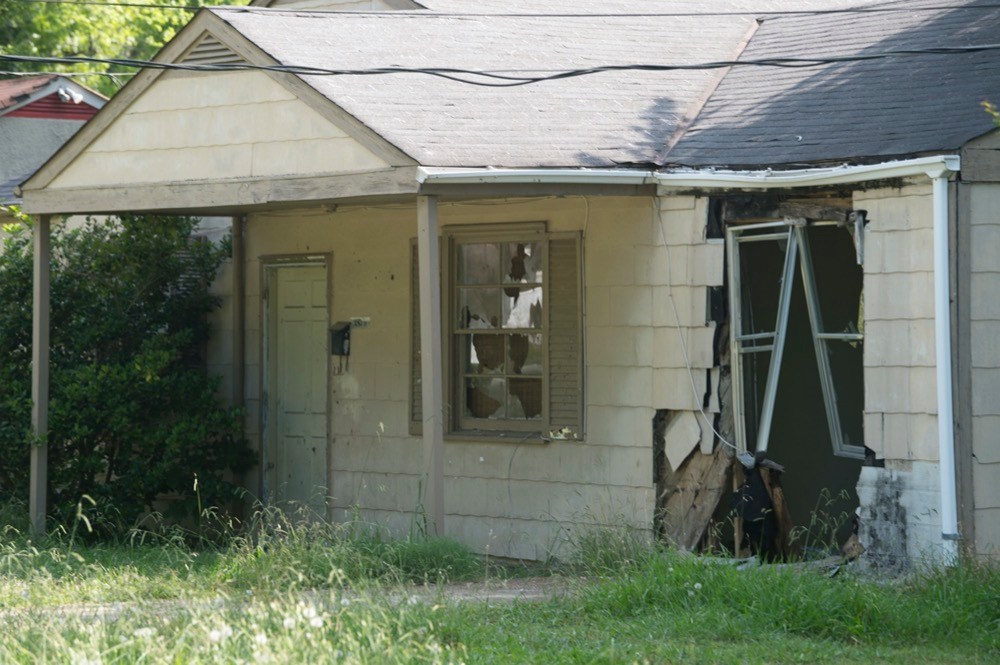
MONTGOMERY, Ala. (AP) – Alabama typically falls low on lists ranking health in the United States, including those focused on COVID vaccination rates, overall health care and maternal and infant health. Within the state, though, there is one region where disparities in health are the highest: the Black Belt.
These 18 counties, nicknamed for the rich soil that stretches across central Alabama, are home to a large population of Black Alabamians. Minimal health care options combined with high poverty rates and a host of other factors compounded over decades have resulted in increased risk for diabetes, heart disease and other health issues.
The University of Alabama and the Alabama Department of Public Health identified environmental hazards as a contributor to the problem, and they have a plan to address it.
The two institutions recently announced that they are launching a program to provide free home inspections and solutions to approximately 150 low-income homes in the Black Belt.
Inspectors will look for environmental hazards such as indoor air quality, mold, pests, carbon monoxide, lead and asbestos, and if any are discovered, the program will supply repairs up to $10,000 per household.