
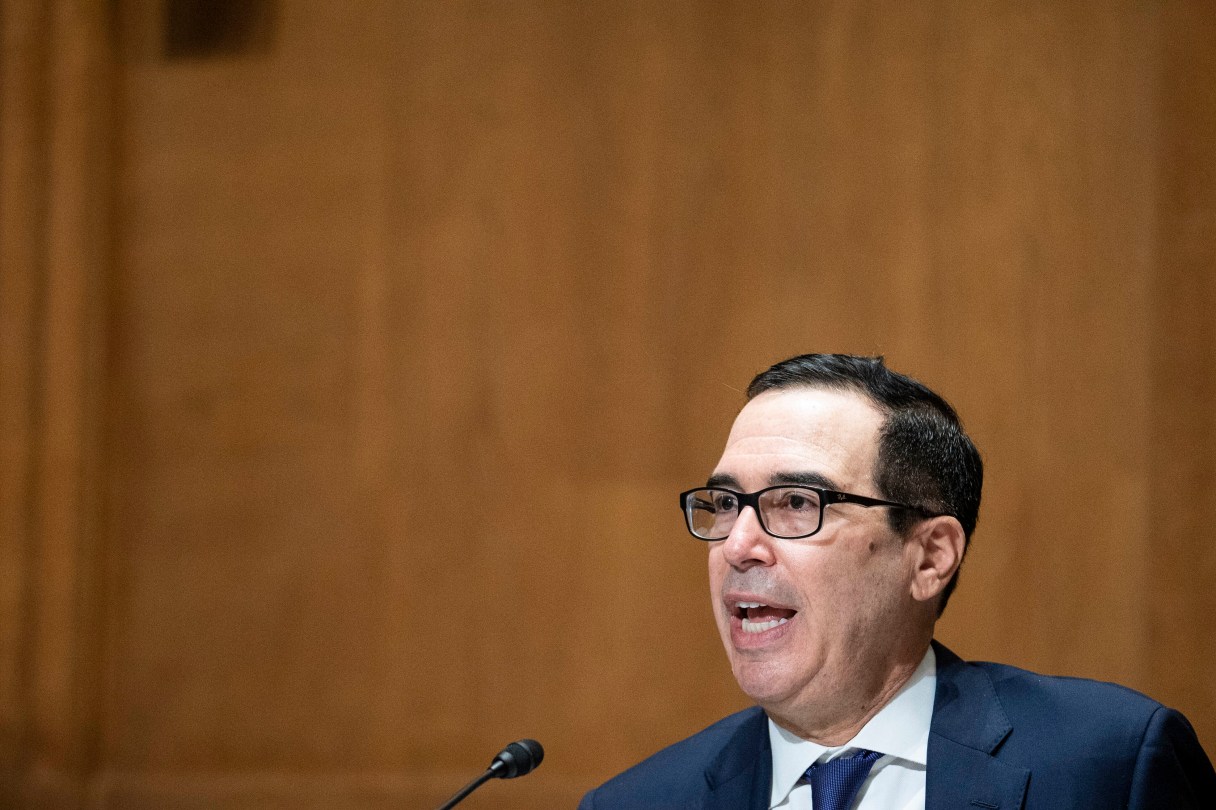
Federal deficit up 25.1% so far
The U.S. government’s deficit in the first two months of the budget year ran 25.1% higher than the same period a year ago as spending to deal with the COVID pandemic soared while tax revenues fell.
The Treasury Department reported Thursday that with two months gone in the budget year, the deficit totaled $429.3 billion, up from $343.3 billion in last year’s October-November period.
The deficit – the shortfall between what the government collects in taxes and what it spends – reflected an 8.9% jump in outlays, to $886.6 billion, and a 2.9% decline in tax revenues, to $457.3 billion.
Spending for the first two months of the budget year, which begins Oct. 1, also set a record, while the deficit over the same period was also a record.
The government’s deficit for the budget year that ended Sept. 30 was a record-shattering $3.1 trillion, fueled by the trillion-dollar-plus spending measures Congress passed in the spring to combat the economic downturn triggered by the pandemic. The recession, which has seen millions of people lose their jobs, has meant a drop in tax revenues.
Before last year’s $3.1 trillion deficit, the record-holder was a $1.4 trillion shortfall in 2009, when the government was fighting to lift the country out of a deep recession caused by the 2008 financial crisis.
The federal government’s November deficit totaled $145.3 billion.
Home prices rise by average of $17,000
With home prices surging in many areas of the country, U.S. homeowners gained an average $17,000 in the equity in their properties this year.
Nationwide homeowners equity was up $1 trillion in the third quarter compared with 2019 levels, according to a new report by CoreLogic. The average homeowner has seen an almost 11% rise in their property’s equity – what their home is worth vs. what they owe on it.
“Over the past year, strong home price growth has created a record level of home equity for homeowners,” said Dr. Frank Nothaft, chief economist for CoreLogic. “The average family with a home mortgage loan had $194,000 in home equity in the third quarter.
“This provides an important buffer to protect families if they experience financial difficulties.”
Nationwide, about 3% of homeowners owe more than their property is currently worth.
High home equity rates help protect property owners from losing their homes to foreclosure. Even if they are delinquent on mortgage payments, they can often sell the home for more than what the lenders are owned.
Google, Amazon face French fines
France’s data privacy watchdog said Thursday it has fined Google 100 millions euros ($121 million) and Amazon 35 million euros ($42 million) for breaching the country’s rules on advertising cookies.
The CNIL said in a statement that the French websites of both companies did not request prior consent from internet users about trackers, or cookies, that were automatically saved on computers for advertising purposes.
It said Google and Amazon also failed to provide clear information to users about the purposes of these cookies and how they might refuse them.
The CNIL noted that both companies made changes to their websites in September, yet said efforts were not sufficient to be in line with French rules.
In the case of Google, it noted it had derived “significant profits” from the advertising income indirectly generated from data collected by the cookies and said that the practices affected “almost fifty million users.”
The CNIL the size of the fines was justified by “the seriousness” of the breaches.