
TOPEKA, Kan. (AP) – Japan’s Panasonic Corp. selected Kansas as the location for a multibillion-dollar mega-factory to produce electric vehicle batteries for Tesla and other carmakers, lured by the larges package of taxpayer-funded incentives that the state has offered a private business.
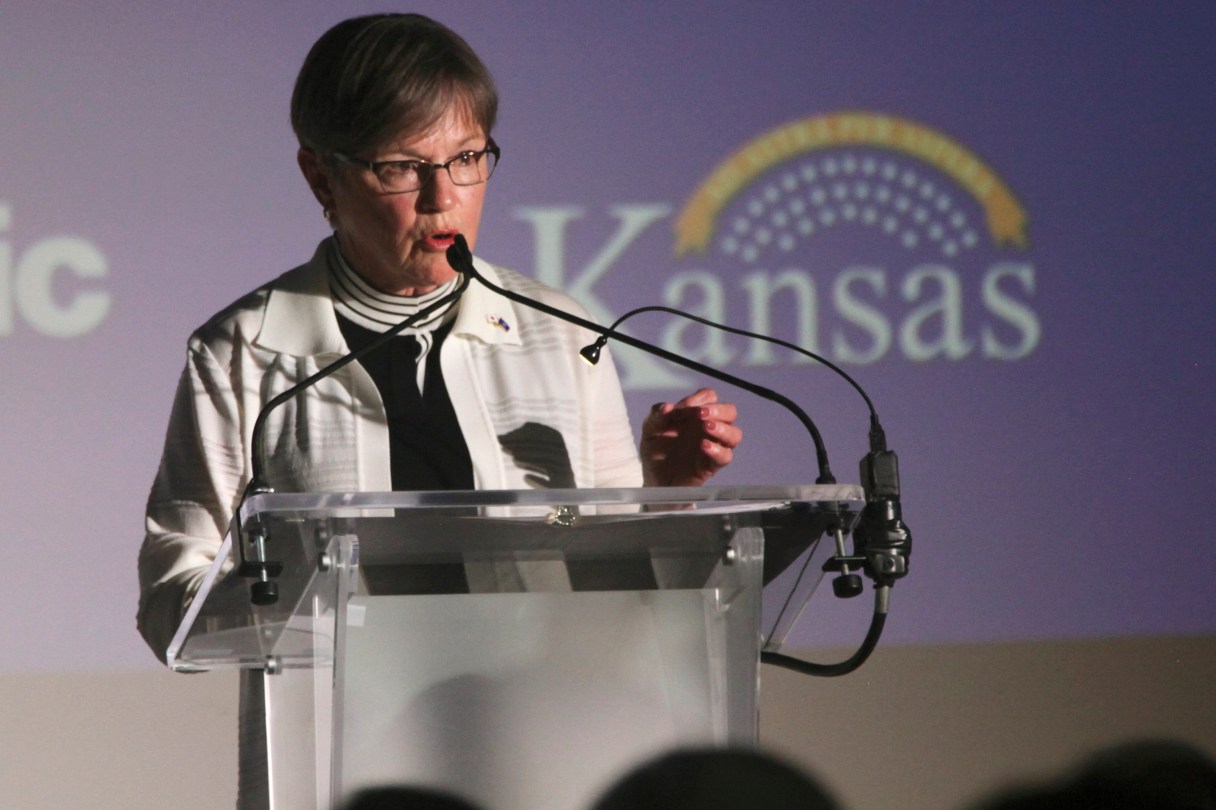
The company and Gov. Laura Kelly announced the new project last week, just hours after Kelly and eight top leaders of the Kansas Legislature signed off on a package of incentives worth $829 million over 10 years. The state had created a new program to offer incentives that could reach $1 billion or more only five months – because of Panasonic’s project.
State officials expect the new plant to have about 4,000 workers, which would make Panasonic a “top 20, easily” private employer for the state in terms of its size, Kansas Commerce Secretary David Toland said. He and other officials believe suppliers and other local businesses will create up to 4,000 new jobs, and there will be 16,500 temporary construction jobs.
The company said it would invest about $4 billion in the plant in DeSoto, Kansas, a town with about 6,000 people and 30 miles (48 kilometers) southwest of Kansas City, Missouri. The town has been trying to redevelop a long-abandoned army ammunition plant.
But U.S. Jerry Moran, of Kansas, also suggested the project has national significance because it lessens U.S. dependence on China for manufactured products.