
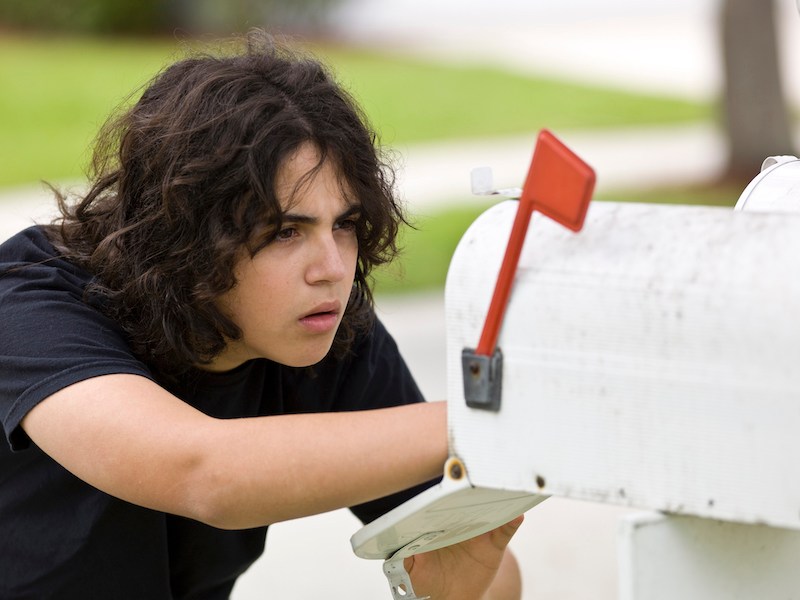
Chattanooga’s Police Department recently warned of an uptick in the theft of outgoing mail containing checks from residents’ mailboxes. Unfortunately, this isn’t a new issue, and these thieves could be tampering with your incoming mail as well.
Mailbox thieves are usually looking for an opportunity to “wash” information from stolen checks so they can be rewritten and cashed, or they’re looking for credit card or account information and any other details that might help them steal your identity.
Fortunately, there are steps you can take to minimize the risk of identity theft coming from mailbox thieves. Here are some tips from your BBB:
> Use the letter slots inside your Post Office for your mail, or hand it to a letter carrier. It may be inconvenient at the time, but mailing checks and other important information directly from the post office will greatly reduce your chance of theft, saving you a lot of heartache and time in the long run. If you must use your mailbox for outgoing mail, try to put it out as close to when your mail carrier will pick it up.
> Pick up your mail as quickly as possible after it’s delivered. If you are expecting checks, credit cards, or other important documents and won’t be home consider asking a trusted friend or neighbor to pick up your mail.
> Consider a locked mailbox. This will help you control your incoming and outgoing mail.
> Go green. Switch to paperless billing and statements to reduce the amount of sensitive mail you receive and pay online to avoid mailing checks. Just be sure that you’re on a secure site when making a payment.
> Consider using opt out services for unsolicited pre-approved credit card offers. Visit optoutprescreen.com or call them at 888-567-8688. The service is managed by the credit bureaus, which provide many of the mailing lists for these offers. You will be asked to provide your social security number to ensure they opt out the correct account. This is one of the few times BBB recommends it.
> Shred those preapproved credit card offers you don’t want before you put them in the trash. The same is true for any other documents that contain personal information.
> Consider adding security cameras or display signs showing that your outside property is being monitored.
These steps should help you keep your mail out of the wrong hands, but it’s difficult to stop identity thieves fully. You still want to keep alert to signs that your identity may have been compromised. The earlier you notice something is amiss, the faster you can take action to minimize the damage.
Your BBB offers the following tips to help you recognize the signs of identity theft:
> You receive statements or bills in the mail for accounts you never opened. This is a sign that someone opened an account in your name. Contact the company immediately to find out if there’s been a mistake and check your credit report at annualcreditreport.com for unusual activity. (You currently have free weekly access to your credit report until the end of 2022). They will ask for your social security number to obtain your credit report.
> Your regular bills stop showing up in the mail. If you haven’t signed up to go paperless and your bills stop showing up in the mail, it could be a sign that someone has changed your billing address. Contact your creditors and inquire if they sent the bill and if the address they have on file is correct.
> You notice suspicious activity in your bank account. Unfamiliar charges, new accounts, and withdrawals you didn’t make are all signs of identity theft. Review your bank account regularly to make sure no one has access to your funds and call your bank immediately if you find any suspicious activity.
> You notice suspicious charges on your credit card. Scammers may make a small charge on your account first to test out their information, hoping you won’t notice. If you notice any strange charges on your credit card bill, report them immediately. Even a small inconsistency can be a sign of fraud.
> You get authentication messages for accounts you didn’t set up. Scammers could be trying to set up a new account in your name. If you receive unexpected authentication messages, don’t reply. Review your bank accounts, credit card statements, and credit report to make sure no one has succeeded in making transactions in your name.
> The IRS informs you a tax return has been filed on your behalf. Sometimes the IRS catches a fraudulent tax return before the fake filer succeeds in getting your return. When this happens, you may receive a letter from the IRS with instructions on how you can verify your identity and prevent identity thieves from using your social security number for tax fraud in the future.
> Your credit score inexplicably improves or deteriorates. If your credit score is suddenly very low, a fraudster may have maxed out your credit without paying the bill. On the other hand, if your credit is improving when you haven’t done anything to earn it, an identity thief may be building up your credit so they can run through it later.
> You are suddenly denied medical coverage. Scammers can steal your identity to use your health benefits too. If you get medical bills in the mail, but you haven’t been to the doctor, someone may be using up your benefits in your name. The same is true if you are unexpectedly denied coverage. Contact your insurance company to find out if you’ve been the victim of medical identity theft.
> Debt collectors call about debts you are unaware of. If you receive calls from debt collectors about money owed in you name for charges you never made, someone may be using your personal information. In some cases, con artists may even use your child’s name or social security number to rack up debts. Get as much information as you can from the debt collector so you can investigate the supposed charges and take action to correct the matter.
If you suspect you are the victim of identity theft, visit identitytheft.gov to report the matter and get a personalized recovery plan. Please also report scams to BBB.org/ScamTracker. You can contact your BBB by visiting bbb.org/Chattanooga, emailing us at tnga@chattanooga.bbb.org, or calling our team at 423-266-6144.
Michele Mason is president of the Better Business Bureau in Chattanooga.