
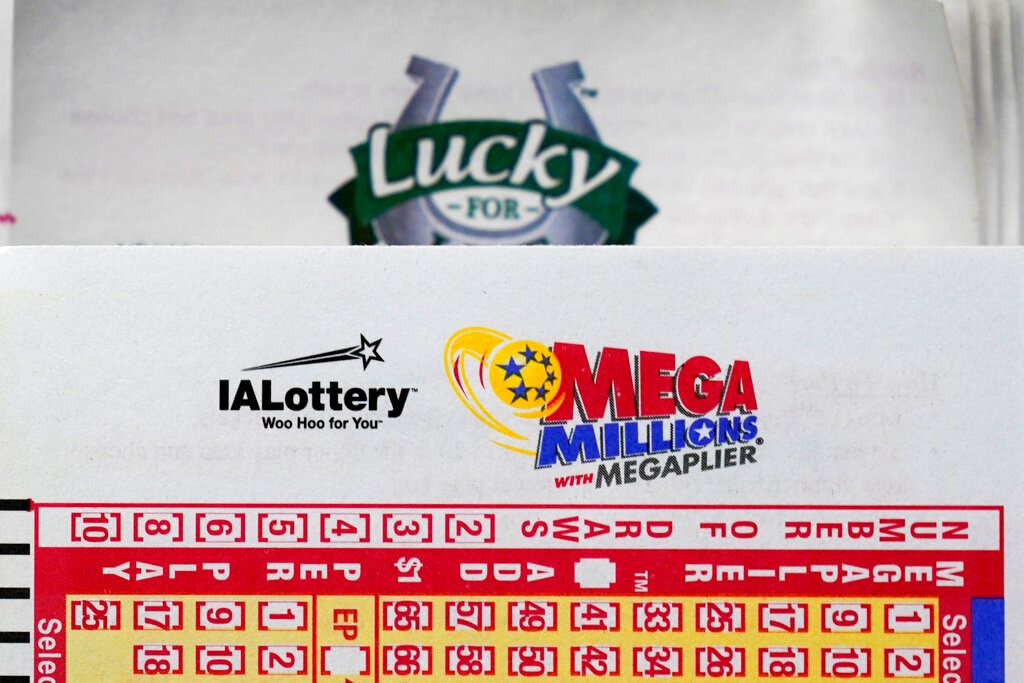
A bump in college scholarships for New Mexico students. A new bike trail nestled in the western slope of Colorado. More homeless shelters in Arizona.
When lottery sales soar, players holding the golden ticket aren’t the only ones who win. Across the U.S., state lottery systems use that money to boost education, tourism, transportation and much more. Now that the giant Mega Millions lottery jackpot has ballooned to more than $1 billion, state officials are hoping increased national interest will result in more funding for their own causes.
However, critics of these lottery-funded programs note that lower-income players foot the bill for benefits they won’t proportionately reap.
In South Carolina, lottery officials said 43 cents of every dollar spent directly support the state’s education lottery account. The General Assembly then uses that money largely to fund scholarships. But the vast majority of South Carolina’s proceeds go toward merit-based scholarships rather than need-based scholarships.
In New Mexico, some legislators and advocacy groups have criticized the lottery as a regressive source of income.