
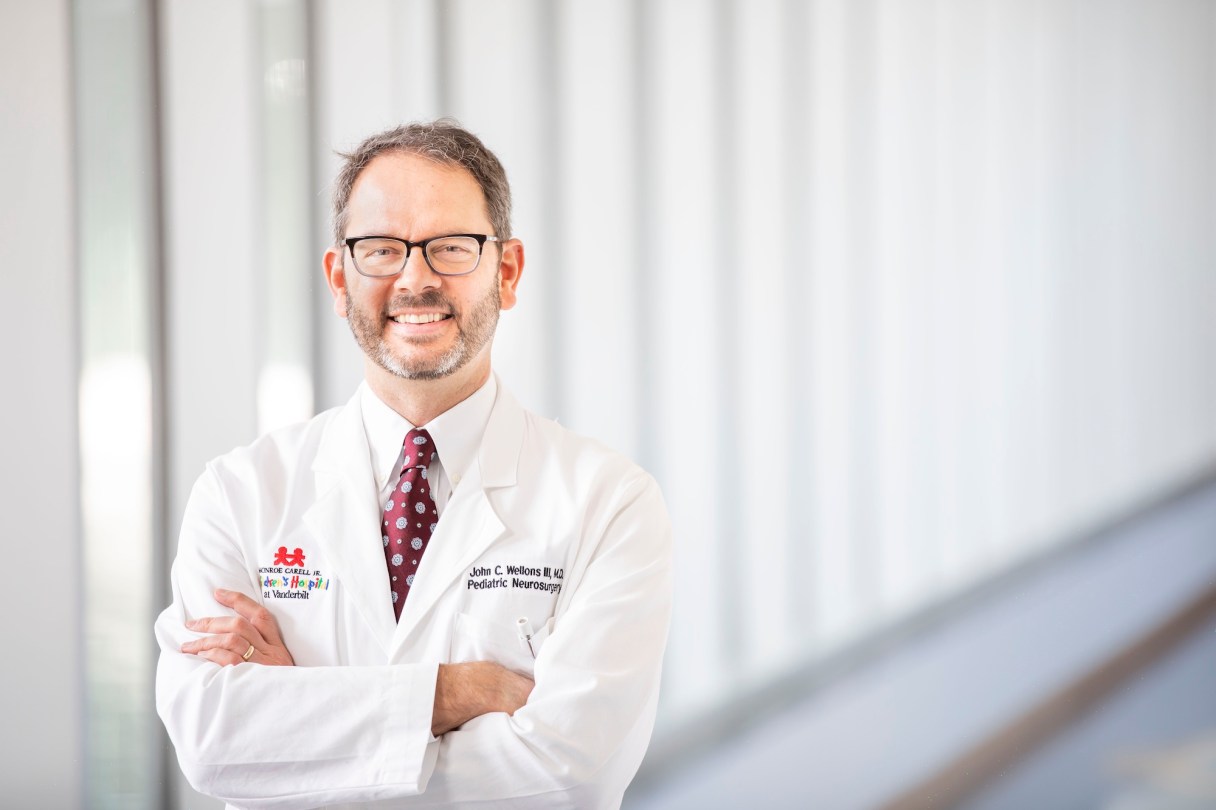
“ALL THAT MOVES US: A PEDIATRIC NEUROSURGEON, HIS YOUNG PATIENTS AND THEIR STORIES OF GRACE AND RESILIENCE” by Jay Wellons (Random House, 288 pages, $28).
When an editor at Random House read Jay Wellons’ 2020 essay in The New York Times about the extraordinary effort to save a critically injured young girl, he was so moved by the story that he got in touch with Wellons, who is head of pediatric neurosurgery at Vanderbilt University Medical Center. The resulting book, “All That Moves Us,” is a compelling account of the physician’s life and career.
The stakes are often high in Wellons’ medical field, and his stories capture the grave realities of his work. In “Luke’s Jump,” a 12-year-old boy suffers a head injury in a sudden pile-up during a bike race. The father is quick to arrive at his son’s side, bundle him in his arms and get him to a hospital. As he stands in a waiting room talking to Wellons, who is describing the procedure he is about to perform, Wellons looks down at the father’s shoes. “There, slightly higher, on the cuff of his blue jeans and spilling down his socks, I could make out a vaguely familiar grayish color amid blood that had made its way onto his clothes. It was brain matter. His own son’s brain matter. Mixed with blood and hair and dirt and grass, right there on his person.” It is then that Wellons, early in his career as a surgeon at this point, realizes the distinction between the urgent, adrenaline-fueled excitement of operating on a body and the sheer responsibility of being in charge of the survival of someone’s child.
His passion for healing doesn’t make him infallible. In “Rubber Bands,” he treats a little girl named Cheyenne who is suffering from a subdural empyema – an infection along the surface of the brain. The surgery goes well, and Cheyenne is on her way to recovery. It is only several months later that Wellons discovers he left two rubber bands, instruments used to secure scalp tissue that has been cut and folded back out of the way, inside Cheyenne’s brain. When he informs Cheyenne and her mother of his mistake, Cheyenne’s mother says, “My baby is here because of what you did that day. I don’t care if you left your car keys up there, Dr. Wellons.” Her gratitude is not unique. Many patients have been so grateful for Wellons’ life-changing surgery that they remained in touch with him over the years, often sending photos or postcards with life updates.
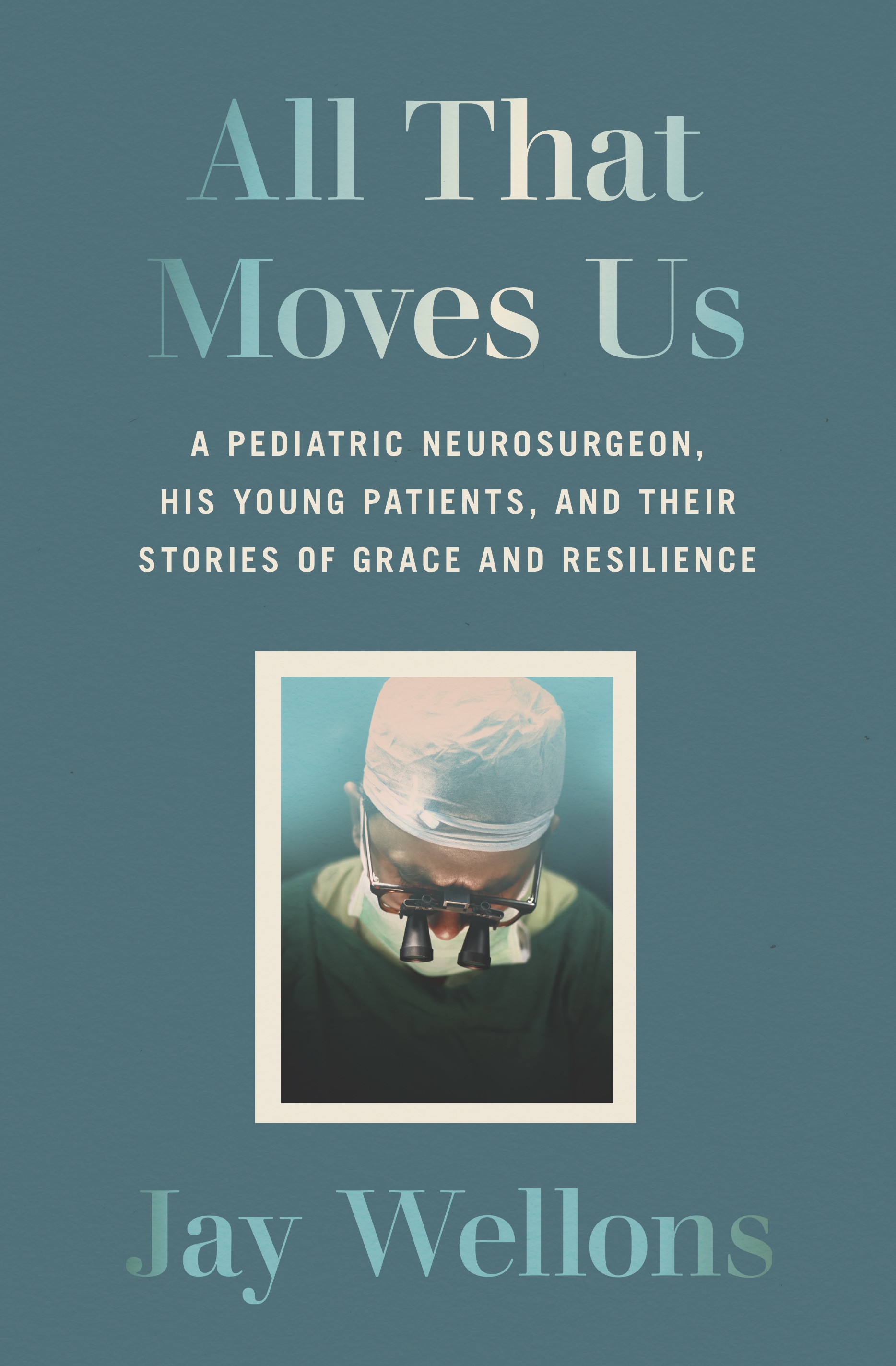 Random House / “All That Moves Us”
“All That Moves Us” doesn’t focus solely on life-and-death medical drama. There are more lighthearted personal memories as well. In “Family Charades,” Wellons describes a Christmas surprise gone awry: