
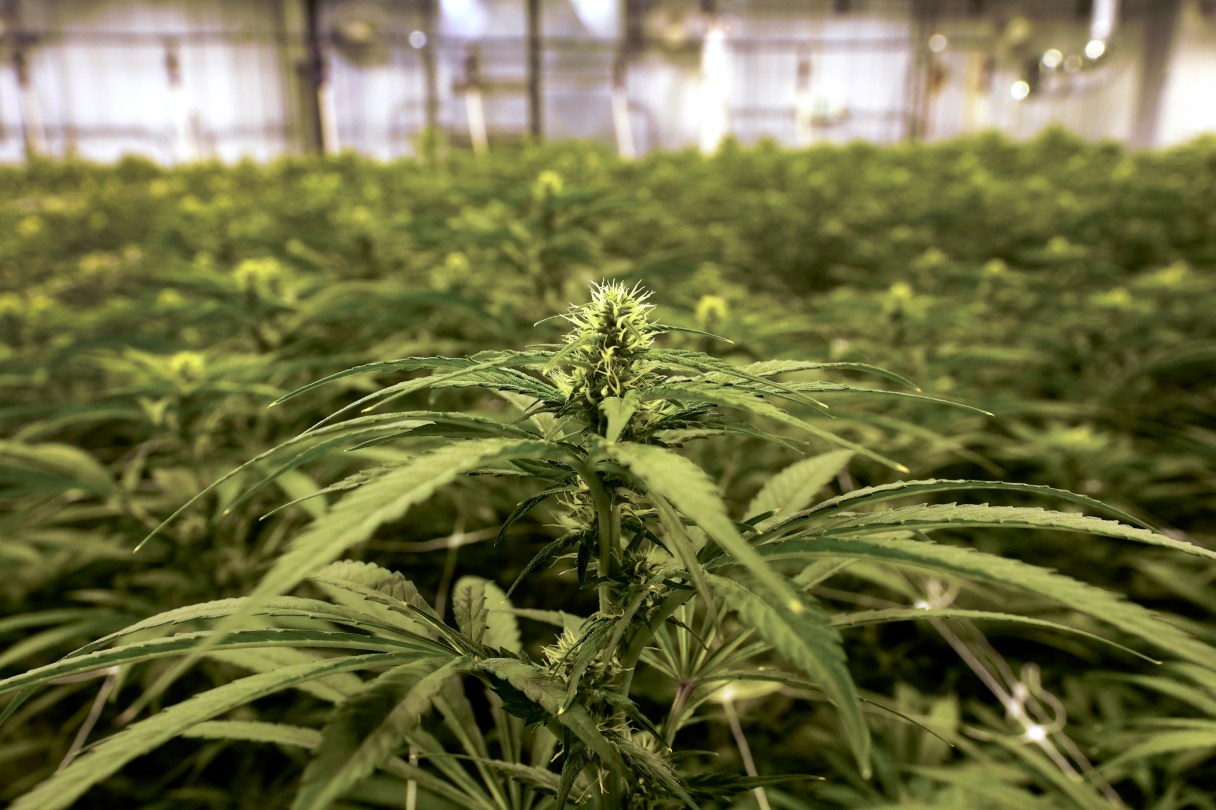
In early March 2021, the U.S. Senate’s Caucus on International Narcotics Control released a report on the increasing potency of marijuana products available on the market. At the time, America was just a year into the pandemic and related lockdowns, so marijuana policy was not front and center on everyone’s mind. It should have been. In fact, the findings contained in the report can be described as shocking. A more creative, but just as accurate, title for this 58-page report would be “This Isn’t Your Grandpa’s Weed.”
Included in the findings, the THC levels in marijuana products are soaring. THC is the psychoactive chemical that gives pot users a high and reportedly provides relief from pain and nausea. In recent years, high-potency products have become more common. In 1990, the average concentration of THC in a marijuana plant was 4%. By 2012, it had tripled to 12%. Today, some products on the market have THC levels as high as 90%.
These increasing levels come even though a 2020 NIH study found that pain-relief benefits of marijuana require THC levels no higher than 5% and that marijuana with higher THC levels might even be less effective in fighting pain. Setting aside the consistent political reality that legalizing medical marijuana is always intended to lead to the legalizing of recreational marijuana – even if legitimate pain patients need medical marijuana, they do not need THC levels of 90%.
And yet, marijuana policies are clearly headed in a direction that does not align with what we now know. Most U.S. states allow marijuana use in some capacity. The only two states in the country with a cap on THC levels and high-potency products are Vermont and California, where the cap is 60%. Right now, Ohio’s legislature is considering a bill to cap THC levels at 90%. At that level, what is the point?
While the political posturing continues, a dystopian reality born of the marijuana revolution is unfolding outside statehouses. Doctors and emergency rooms across the country have sounded the alarm on the spike in psychosis, suicidal ideation, actual suicide, schizophrenia and addiction-like behavior they have seen among young people using high-potency marijuana.