
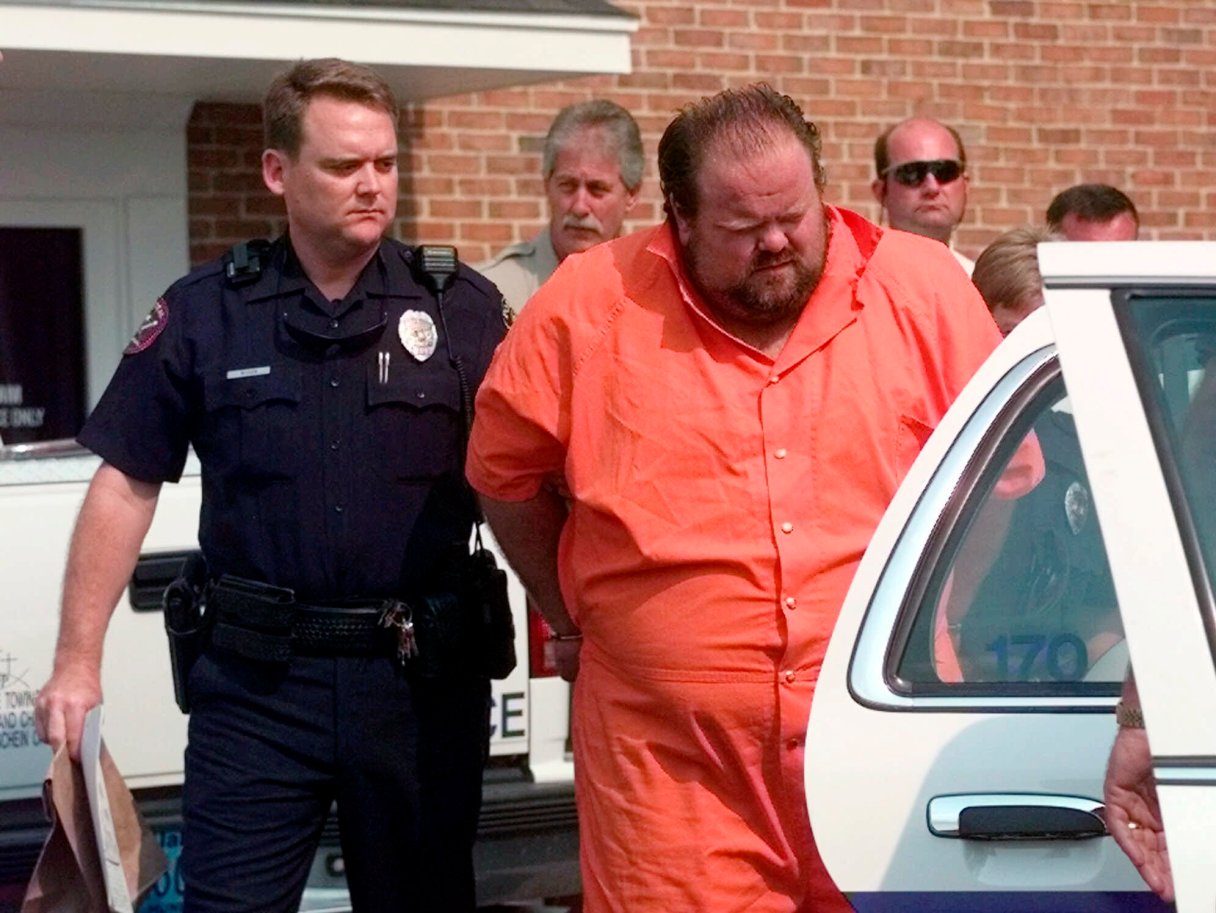
ATMORE, Ala. (AP) — A federal judge on Friday ordered Alabama to preserve records and medical supplies associated with a lethal injection attempt after the prison system acknowledged multiple attempts to access the inmate’s veins before calling off the execution.
U.S. District Judge R. Austin Huffaker Jr. issued the order at the request of the inmate’s lawyers who are trying to gather more information about what happened during Alabama’s attempt to execute Alan Miller, 57. Miller was sentenced to death after being convicted of a 1999 workplace rampage in which he killed Terry Jarvis, Lee Holdbrooks and Scott Yancy.
The U.S. Supreme Court cleared the way for the execution shortly after 9 p.m. Thursday and state officials said they determined at about 11:30 p.m. that the could not start the execution by a midnight deadline.
Huffaker ordered the Alabama Department of Corrections to locate and preserve all evidence related to the attempted execution, including notes, emails, texts, and used medical supplies such as syringes, swabs, scalpels, and IV-lines. He also granted a request from Miller’s attorney to visit him and photograph what they said are, “injuries from the attempted execution.”
During a Friday morning hearing conducted by telephone conference, Huffaker asked the state what was going on in the almost 150 minutes that elapsed after the Supreme Court said the execution could proceed. An attorney for the state told the judge the execution team began preparations at about 10 p.m. and made multiple attempts to connect the IV line but she did not indicate exactly how long the state tried. They stopped trying to gain venous access at about 11:20 p.m, she said.