
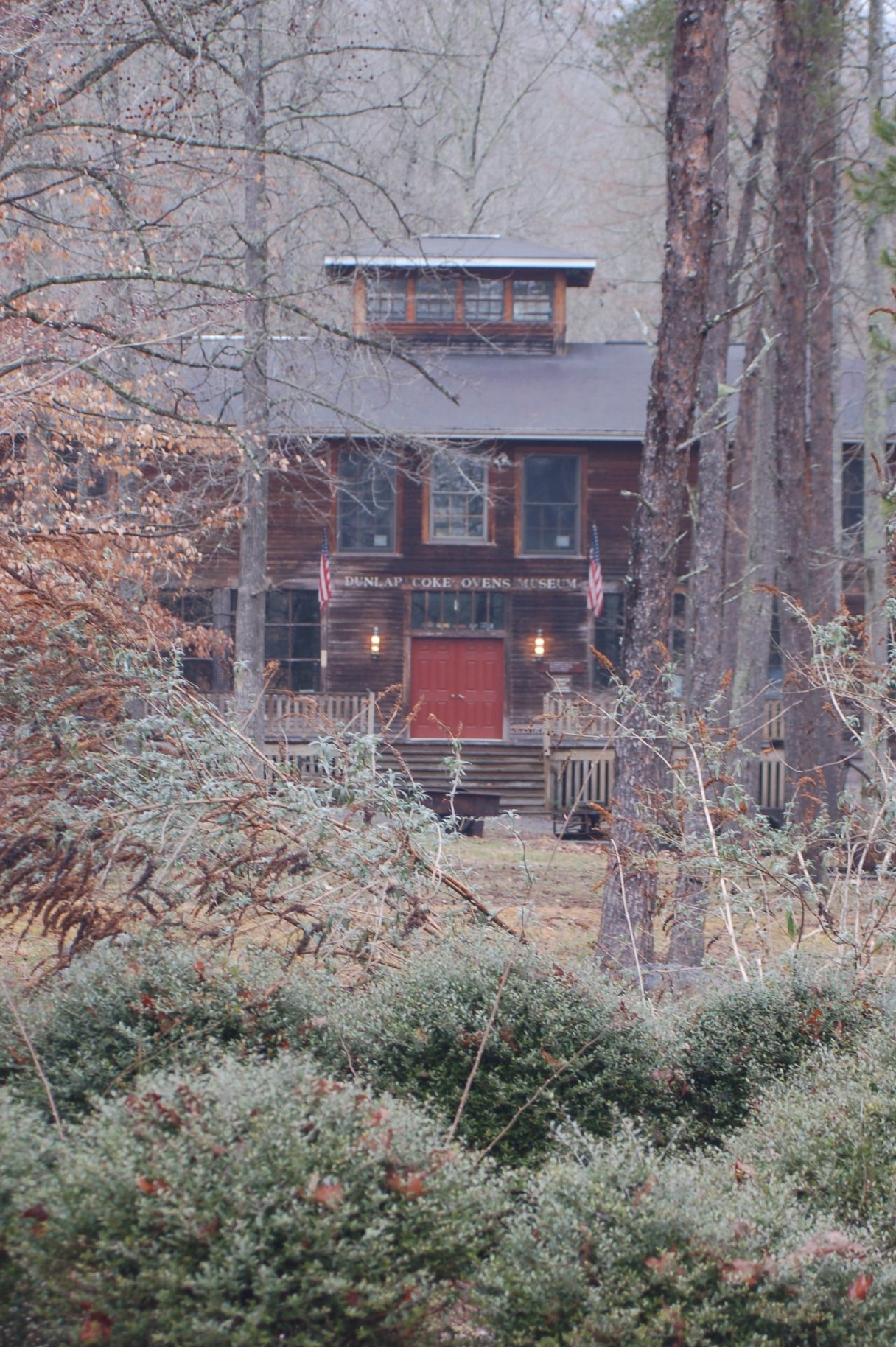
Not too far off U.S. 127 in Dunlap, Tenn., you can see one of the best examples of Southeast Tennessee’s coal-rich history. The Dunlap Coke Ovens Museum and Park, a 62-acre property with hiking trails, a museum and the remnants of coal mines and coke ovens, offers visitors a chance to learn about what the area was like more than a 100 years ago. The central piece of this property is, as the name suggests, the “beehive” coke ovens found in long rows across the property.
To understand the importance of these coke ovens, we must first understand what exactly coke is. Coke is the term given to the carbon-dense solid residue left over from heating up coal at a high temperature without the presence of air. The high density of carbon within coke makes it extremely useful for the creation of high-carbon content metals, such as steel, which during the late 19th and early 20th century were in very high demand.
When the railroad arrived in the Sequatchie Valley and southern Cumberland Plateau in the 1880s, coal mining became a very lucrative business in the area. In 1900, the Douglas Coal and Coke Co. purchased 14,000 acres of land at the base of Fredonia Mountain, near the town of Dunlap, where coal had been discovered and mined in small quantities a year earlier. Things looked promising for the company.
Within a few years, it was able to develop several coal mines, build 50 coke ovens, establish a company town as well as build an incline railway, which served to transport coal mined from the top of Fredonia Mountain to the coke ovens and rail network below.
By 1904, however, Douglas was forced to cease operations due to problems surrounding labor and its mining process. In 1905 the owners sold the property to the Chattanooga Iron and Coal Co. The company already owned several iron quarries in Georgia and a blast furnace in Chattanooga by this time, making the addition of the Dunlap mines and ovens very lucrative.