
A pregnant woman walks into an emergency room experiencing a miscarriage, or she gives birth to a stillborn. Someone becomes suspicious and notifies police. They want to know: Is the woman at fault? Did she take any drugs or medication? Did she research abortions on the internet?
A “pro-life” prosecutor decides to make her a pariah. She might face criminal charges, child endangerment or, worst-case scenario, manslaughter or murder if prosecutors believe she intended to end her pregnancy.
This is a dystopian scenario — what could happen if anti-abortion zealots take their positions to an extreme. And it’s not out of the realm of possibility.
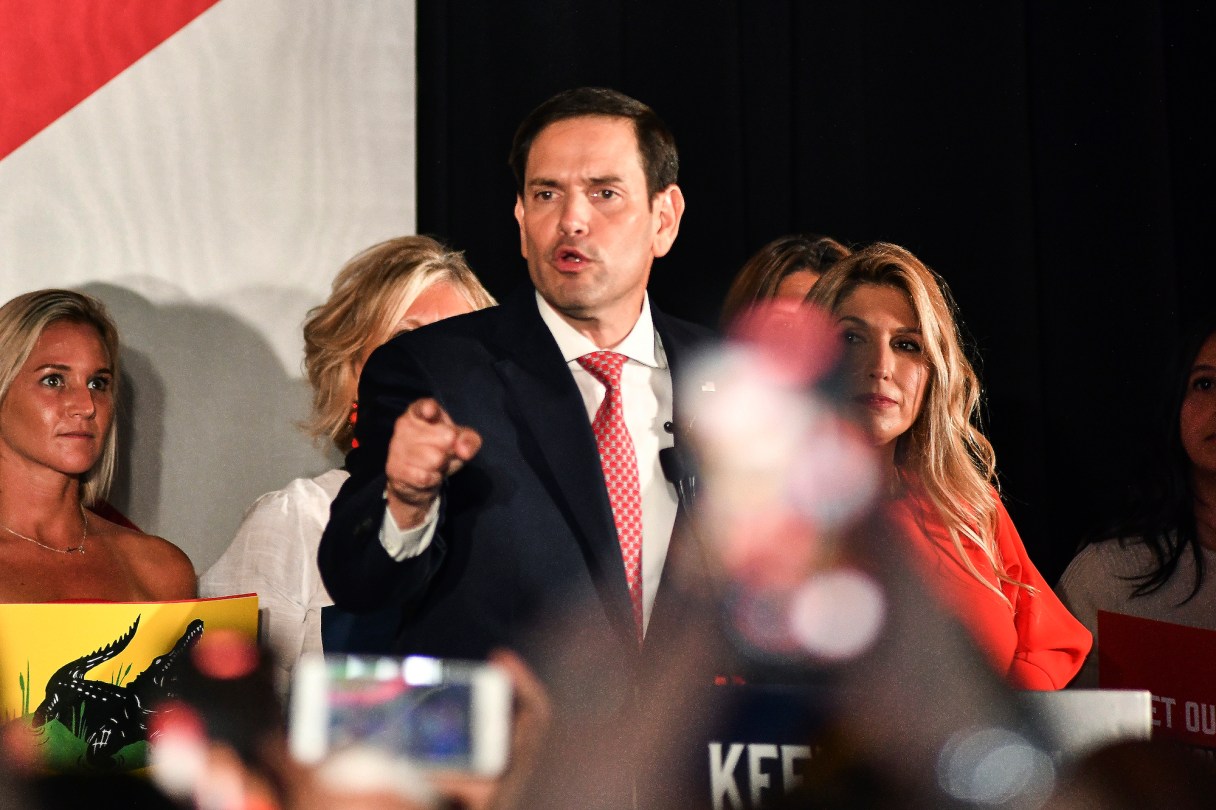
Abortion rights groups fear the next frontier in the fight to take away reproductive rights is to grant fetuses “personhood” status. Anti-abortion groups such as Americans United for Life are pushing for a federal executive order that would recognize “preborn persons as constitutional ‘persons'” entitled to equal protection under the U.S. Constitution. U.S. Sen. Marco Rubio of Florida recently introduced the “Unborn Child Support Act, ” which would grant child support payments to women “at any stage of development” of a pregnancy. The legislation appears to be a way to make fetal personhood more palatable to Americans.
Fortunately, polls have shown broad support for abortion rights in Florida, and voters in other states have rejected similar ballot initiatives. But this is an example of the extremes to which the anti-abortion movement can go without Roe v. Wade and it’s the type of next step that could pick up steam in conservative state legislatures, as it has in Georgia and Arizona.