
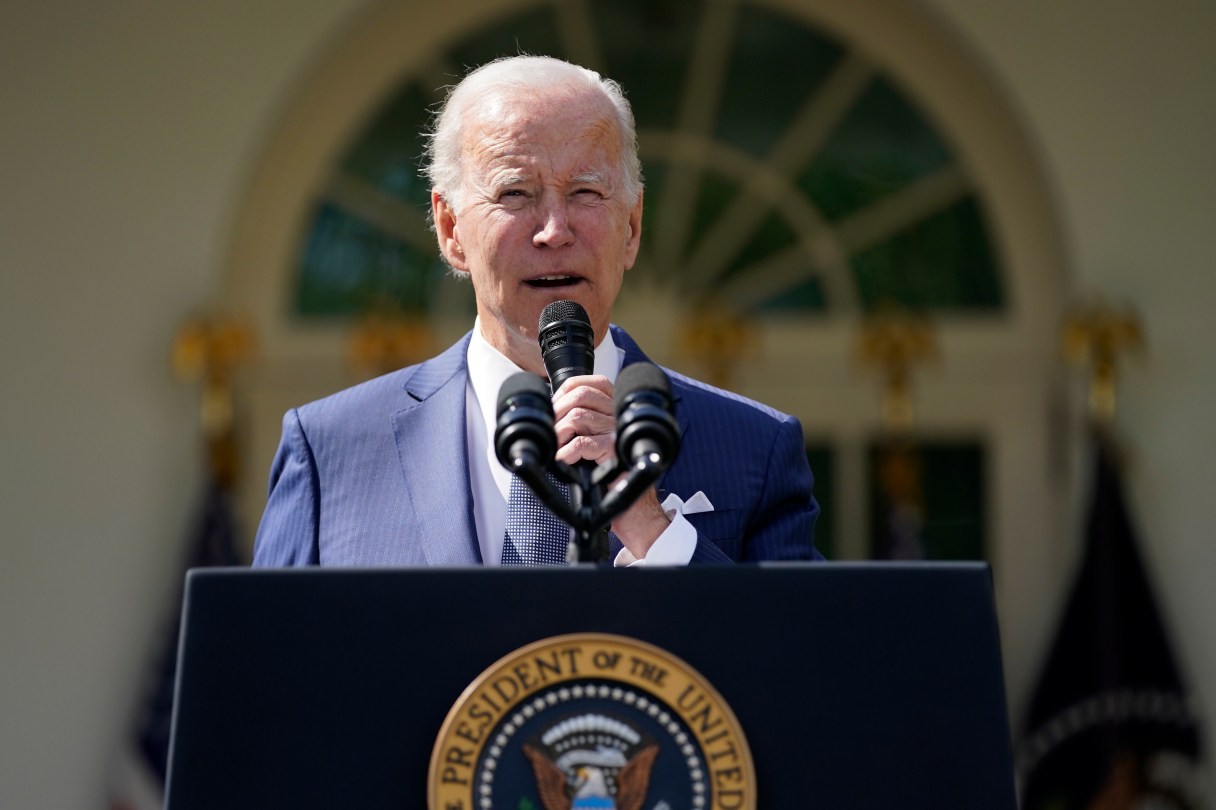
WASHINGTON (AP) — The Biden administration is laying out its plan to meet an ambitious goal of ending hunger in the U.S. by 2030, including expanding monthly benefits that help low-income Americans buy food.
The administration, in a plan released Tuesday, is also seeking to increase healthy eating and physical activity so that fewer people are afflicted with diabetes, obesity, hypertension and other diet-related diseases. It said it would work to expand Medicaid and Medicare access to obesity counseling and nutrition.
“The consequences of food insecurity and diet-related diseases are significant, far reaching, and disproportionately impact historically underserved communities,” Biden wrote in a memo outlining the White House strategy. “Yet, food insecurity and diet-related diseases are largely preventable, if we prioritize the health of the nation.”
Biden is hosting a conference this week on hunger, nutrition and health, the first by the White House since 1969. That conference, under President Richard Nixon, was a pivotal moment that influenced the U.S. food policy agenda for 50 years. It led to a greatly expanded food stamps program and gave rise to the Women, Infants and Children program, which serves half the babies born in the U.S. by providing women with parenting advice, breastfeeding support and food assistance.
Noreen Springstead, executive director of the anti-hunger organization WhyHunger, said the whole-of-government nature of the summit will hopefully produce greater alignment across the multiple federal agencies that deal with hunger issues — from the USDA and Health and Human Services to the Bureau of Indian Affairs. That, ideally, would help Biden “set the North Star that nutritious food is a human right for all people.”