
Friday, November 13, 2026Nov 13

EXPLAINER: What spurred the bloody armed clashes in Baghdad?

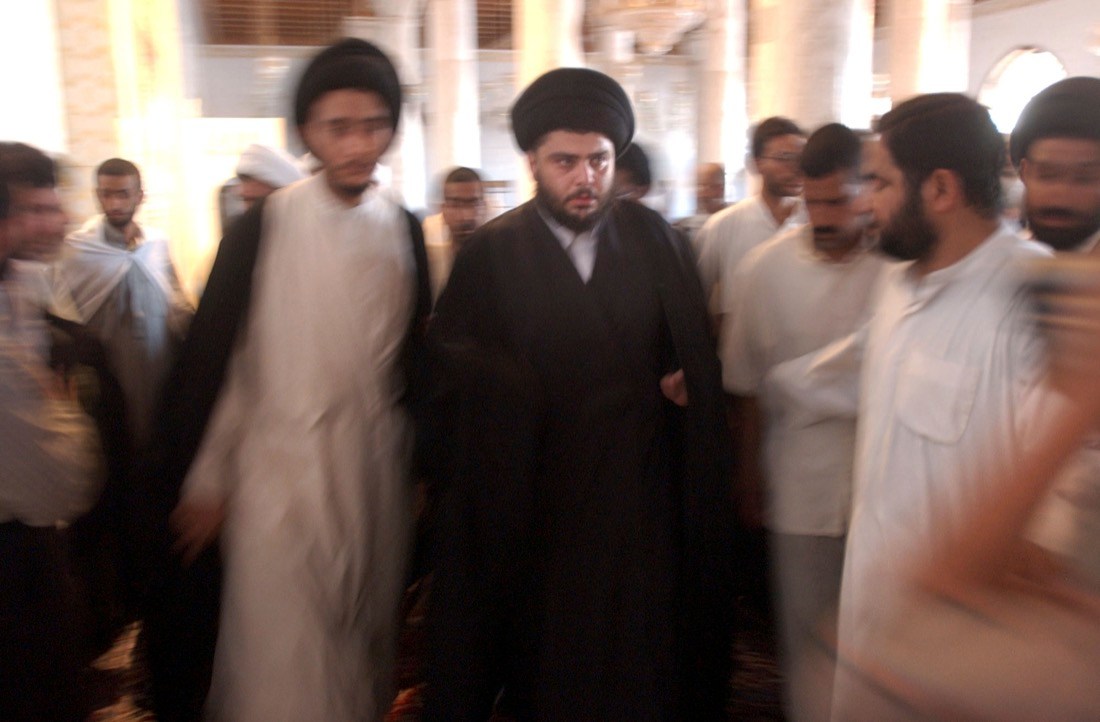
FILE - Muqtada al-Sadr is seen during prayers at the Al-Kufa Mosque Friday, July 18, 2003, in the holy city of Najaf, south of Baghdad, Iraq. Al-Sadr is a populist cleric, who emerged as a symbol of resistance against the U.S. occupation of Iraq after the 2003 invasion. (AP Photo/Wally Santana, File)
FILE - Muqtada al-Sadr is seen during prayers at the Al-Kufa Mosque Friday, July 18, 2003, in the holy city of Najaf, south of Baghdad, Iraq. Al-Sadr is a populist cleric, who emerged as a symbol of resistance against the U.S. occupation of Iraq after the 2003 invasion. (AP Photo/Wally Santana, File) FILE - Muqtada al-Sadr is seen during prayers at the Al-Kufa Mosque Friday, July 18, 2003, in the holy city of Najaf, south of Baghdad, Iraq. Al-Sadr is a populist cleric, who emerged as a symbol of resistance against the U.S. occupation of Iraq after the 2003 invasion. (AP Photo/Wally Santana, File)

BAGHDAD (AP) — Iraq’s long-running power struggle between rival Shiite camps devolved into bloody street violence this week – the culmination of months of simmering tensions and a political vacuum.

For 24 hours, loyalists of powerful cleric Muqtada al-Sadr transformed the country’s government Green Zone into a front line, trading fire with security forces and rival militias, and bringing the capital to a standstill. Just as quickly, with a single word — “withdraw” — from the cleric in a speech Tuesday, the fighting came to a stop.

His supporters put down their weapons and left.

It was a powerful message to al-Sadr’s Iran-backed rivals and the political elite of the cleric’s enduring power over his hundreds of thousands of followers and an equally dangerous example of the damage they are capable of doing to the embattled country.

Following his calls for withdrawal, Iraqi leaders, including the caretaker premier, expressed their thanks to al-Sadr and praised his restraint.