
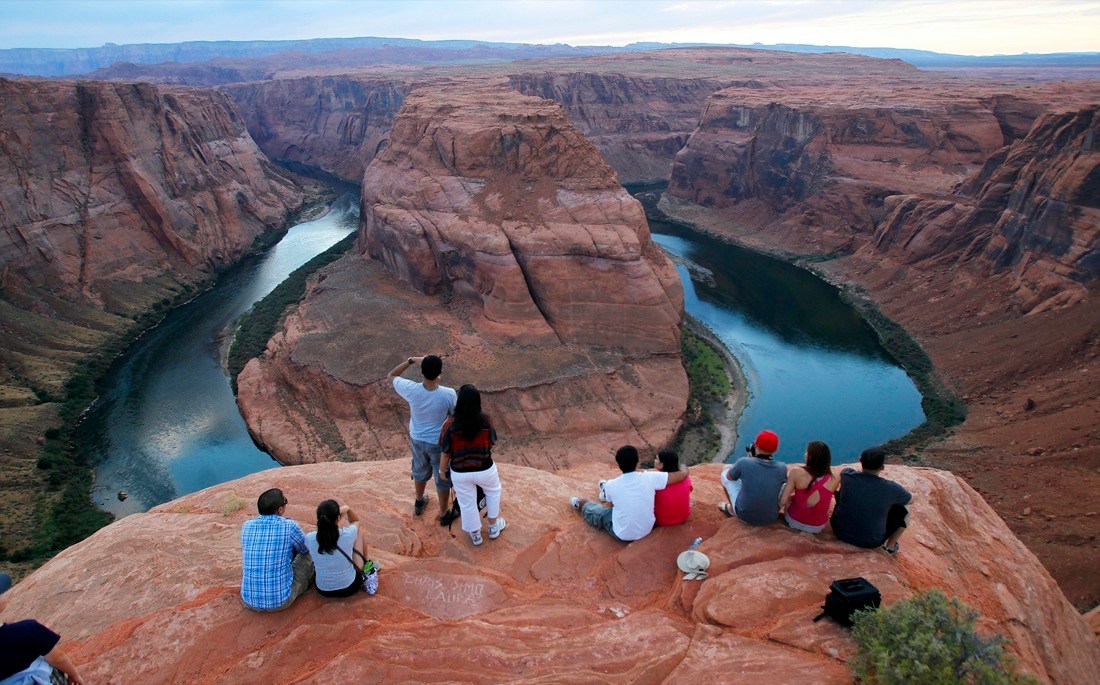
SALT LAKE CITY (AP) – Banks along parts of the Colorado River where water once streamed are now just caked mud and rock as climate change makes the Western U.S. hotter and drier.
More than two decades of drought have done little to deter the region from diverting more water than flows through it, depleting key reservoirs to levels that now jeopardize water delivery and hydropower production.
Cities and farms in seven U.S. states are bracing for cuts this week as officials stare down a deadline to propose unprecedented reductions to their use of the water, setting up what’s expected to be the most consequential week for Colorado River policy in years.
The U.S. Bureau of Reclamation in June told the states – Arizona, California, Colorado, Nevada, New Mexico, Utah and Wyoming – to determine how to use at least 15% less water next year, or have restrictions imposed on them. The bureau is also expected to publish hydrology projections that will trigger additional cuts already agreed to.
Tensions over the extent of the cuts and how to spread them equitably have flared, with states pointing fingers and stubbornly clinging to their water rights despite the looming crisis.