
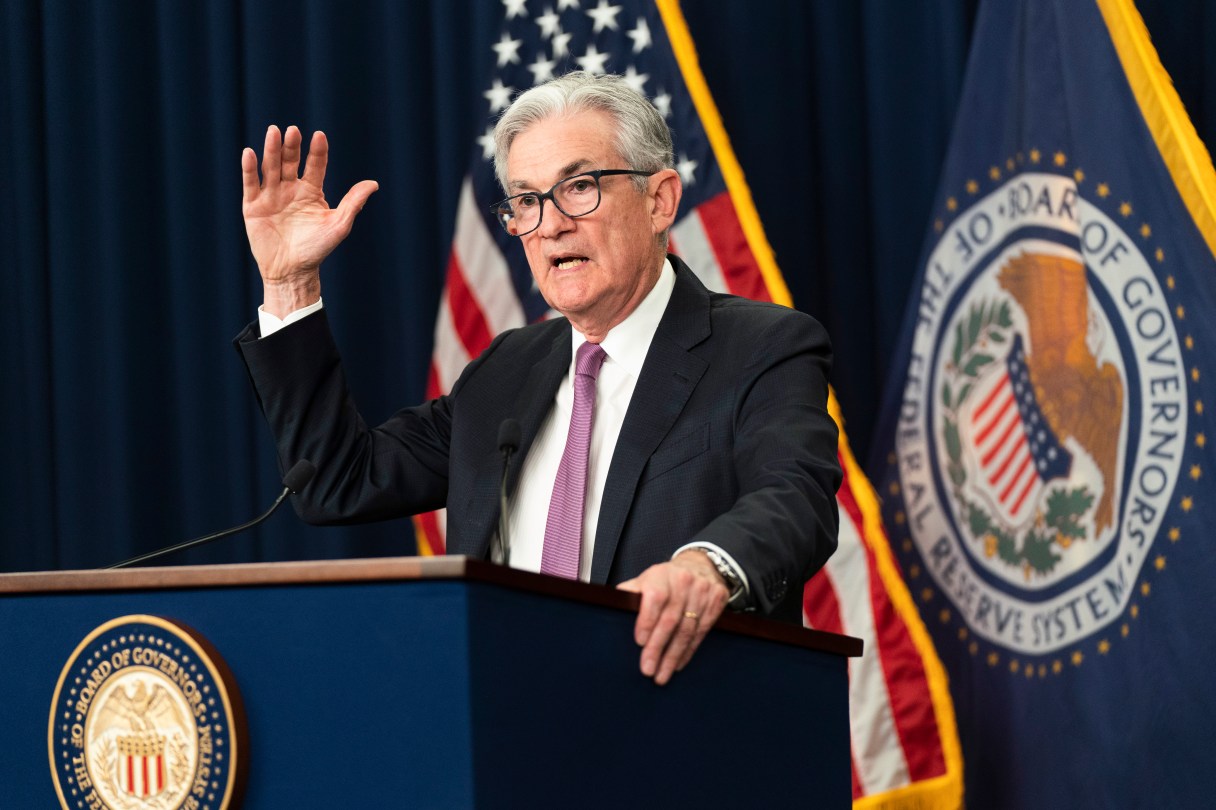
WASHINGTON (AP) — Federal Reserve officials saw signs that the U.S. economy was weakening at their last meeting but still called inflation “unacceptably high” before raising their benchmark interest rate by a sizable three-quarters of a point in their drive to slow spiking prices.
In minutes from their July 26-27 meeting released Wednesday, the policymakers said they expected the economy to expand in the second half of 2022. But many of them suggested that growth would weaken as higher rates take hold. The officials noted that the housing market, consumer spending, business investment and factory production had decelerated after having expanded robustly in 2021.
Slower growth, they noted, could “set the stage” for inflation to gradually fall to the central bank’s 2% annual goal, though it remained “far above” that target. But the policymakers made clear that for now, they intend to continue raising rates enough to slow the economy.
It remains unclear whether the Fed will announce yet another three-quarter-point rate hike when it next meets Sept. 20-21 or instead impose a more modest half-point hike then. Since the Fed’s meeting three weeks ago, the economy has sent mixed signals — unexpectedly strong hiring, a deterioration in the housing market and a surprising drop in inflation. Before the policymakers reconvene in September, they will see another monthly jobs report and another monthly report on consumer prices.
The minutes of the July meeting “suggest the Fed will remain on a tightening path, but there are signs some officials are getting a little nervous that they could end up going too hard and may need to reverse course eventually,″ said James Knightley, chief international economist at the financial firm ING.