
Monday, November 16, 2026Nov 16

‘Tragic outcomes’: Mentally ill face fatal risk with police

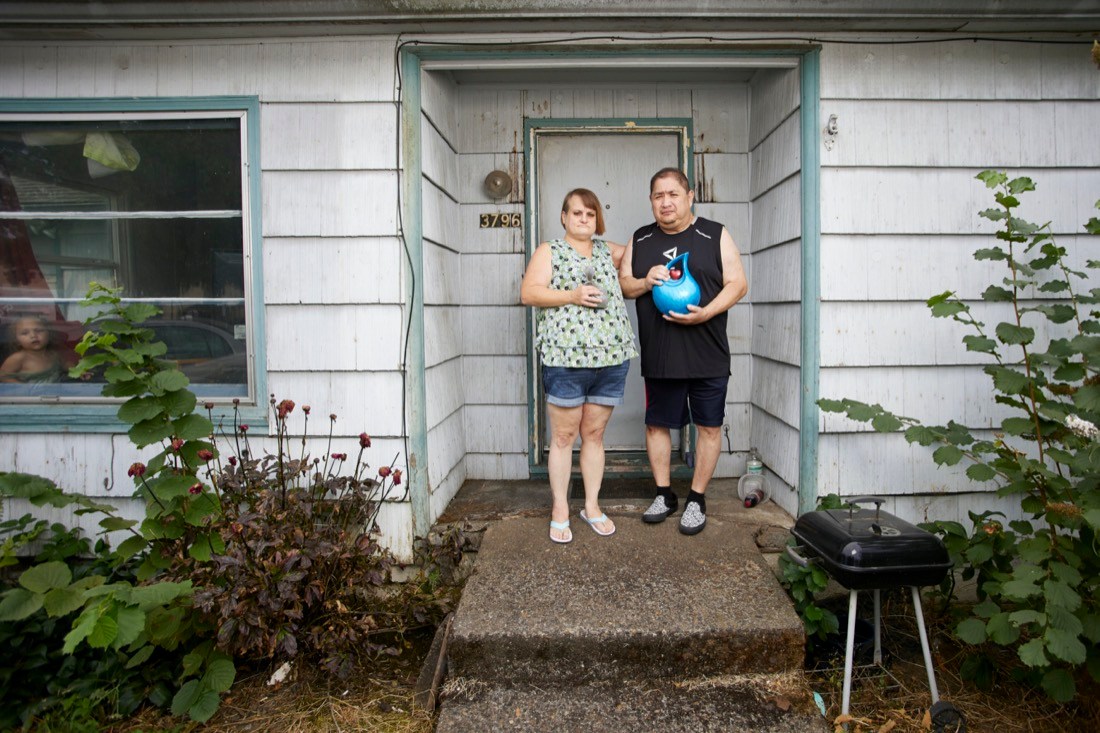
Misty Castillo, left, and her husband Arcadio stand in front of their home, holding the urn containing the ashes of their son Arcadio Castillo III, who was shot in 2021 by Salem police, as their granddaughter Nala, age 2, looks out the window in Salem, Ore., Thursday, Aug. 18, 2022. Misty called 911 and asked for the police, saying her son was mentally ill, was assaulting her and her husband and had a knife. Less than five minutes later, a police officer burst into the house and shot him. (AP Photo/Craig Mitchelldyer)


SALEM, Ore. (AP) — One summer night, Misty Castillo stepped out of her house in Salem, Oregon, called 911 and asked for the police, saying her son was mentally ill, was assaulting her and her husband and had a knife.

“He’s drunk and he’s high and he’s mentally ill,” Castillo told the emergency dispatcher, emphasizing again her son’s mental condition. Less than five minutes later, a police officer burst into the house and shot Arcadio Castillo III dead as he stood, his mother said later, “frozen like a deer in headlights.”

“He didn’t try to calm him down. He just came in and immediately shot my son,” Castillo said.

Time and time again across the U.S., people experiencing mental health crises are being killed by police, but the exact number remains unknown because of a yawning governmental information gap.