
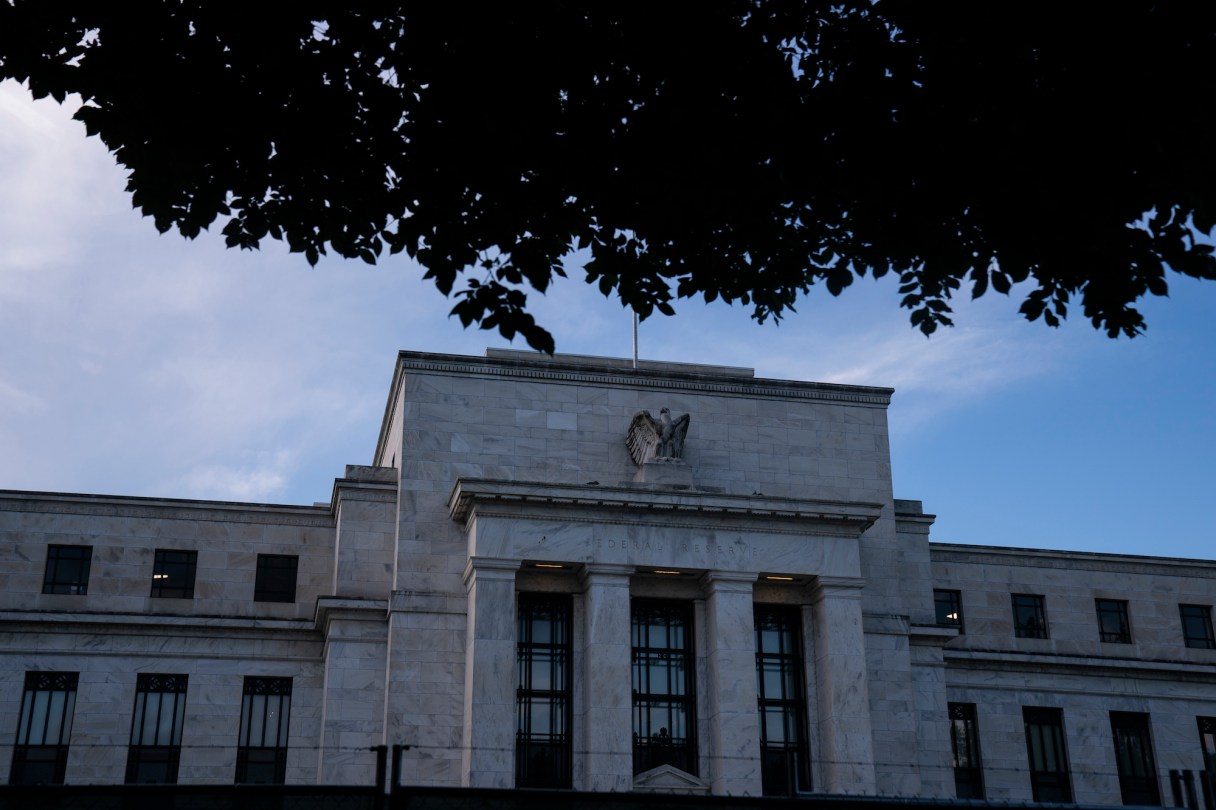
Federal Reserve Chair Jerome Powell’s efforts to cool down the economy are causing progressive criticism to heat up. He has been accused of wanting a “brutal” recession, trying to “throw millions of Americans out of work” and using “dangerous” rhetoric.
The criticism of the Fed’s interest-rate increases sometimes veers into demagoguery, but the progressives’ question deserves an answer: How can tightening monetary policy be morally justified even though it is expected to have a negative effect on employment?
What makes the question difficult is that the costs of inflation, while serious, are diffuse, while the costs associated with unemployment are highly concentrated. The costs of being unemployed are personal and often severe. They can include broken families, compromised mental health and reduced long-term prospects.
At the same time, the human toll of unemployment can’t be the argument-ender that observers want it to be. If it were, that would mean that tighter policy is never justified. That can’t be right.