
BATON ROUGE, La. — The NCAA placed LSU’s football program on one year of probation Thursday after determining former offensive line coach James Cregg violated recruiting rules during the 2020 football season.
The NCAA Division I Committee on Infractions found Cregg violated restrictions against in-person contact with prospective recruits during the COVID-19 pandemic, and that he also provided improper inducements to a recruit.
The committee also issued a three-year “show cause” penalty against Cregg, meaning his own recruiting activities would be restricted for that period if he were hired by another NCAA member program.
“Although the (committee) has encountered more egregious conduct in past cases, the violations in this case represent intentional misconduct that should be of concern to the membership,” the panel said in a release. “The COVID-19 recruiting dead period was intended to protect the health and safety of prospects, student-athletes and institutional staff. It also leveled the playing field for recruiting at a time when government-imposed COVID-19 restrictions varied across the country.”
The investigation also involved a former assistant director of recruiting whose name has not been made public.
The NCAA still has a separate investigation going through its Independent Accountability Resolution Process into alleged recruiting violations by former LSU men’s basketball coach Will Wade, who was fired by the Tigers after last season, and into booster payments to football players made prior to recent rule changes allowing players to receive financial endorsement deals from program sponsors.
LSU fired Cregg in June 2021, citing alleged violations of NCAA recruiting rules. Cregg sued for breach of contract, arguing he could not be fired for cause without an NCAA ruling on the allegations. A state district judge agreed, ordering LSU in August to pay Cregg $492,945 — the remainder of his contract. The university has said it planned to appeal that court ruling.
The NCAA investigation found Cregg arranged to greet a recruit and his family in September 2020 and gave the recruit a bag of used LSU gear.
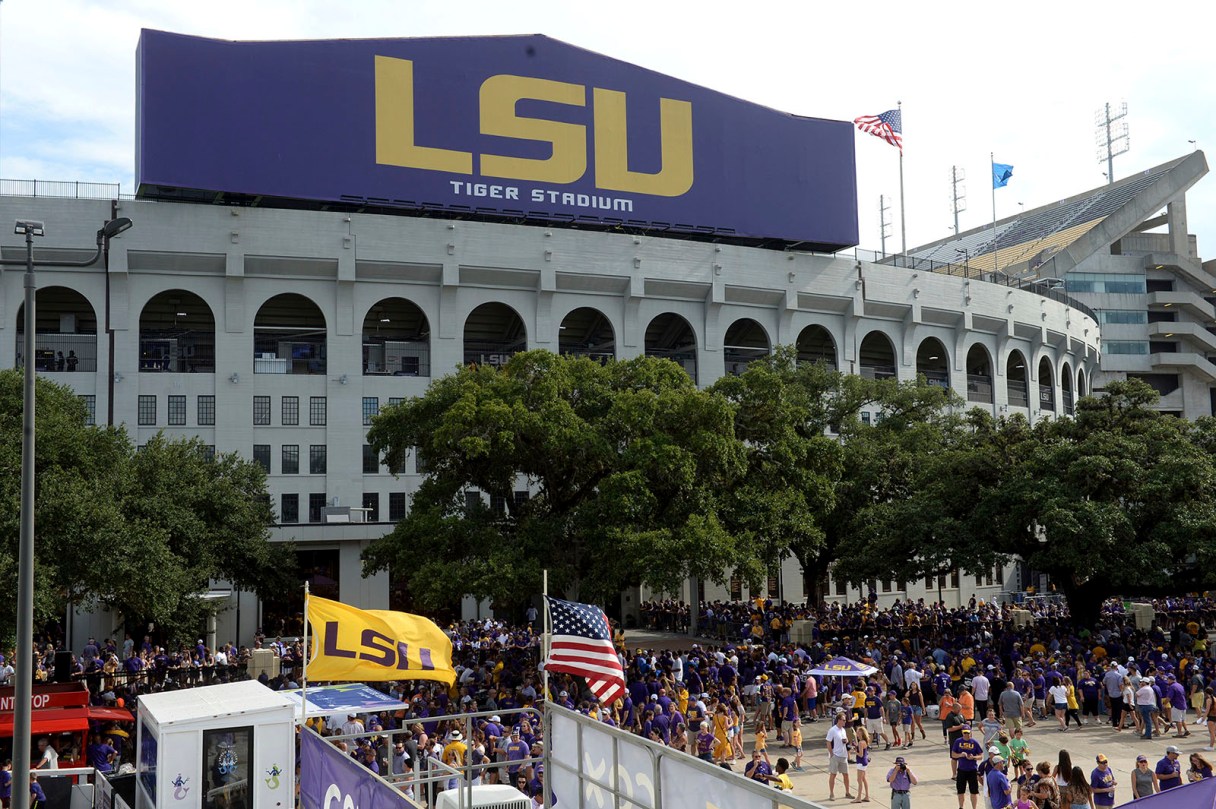
The committee said the prospect and his family returned to LSU on another trip soon after, during which a former assistant director of recruiting picked up the recruit and his girlfriend from their hotel and drove them to Tiger Stadium for a tour. The tour was considered a violation of both restrictions on inducements and in-person contact.
During that trip, Cregg met the recruit and his family in his neighborhood. The prospect’s mother had indicated she would move to Baton Rouge if her son played for LSU, and she sought advice from Cregg on where to look for housing, the committee said.
Cregg and the assistant recruiting director “acknowledged that they knew their conduct was impermissible,” the NCAA committee stated.
The other penalties the NCAA announced Thursday already had been self-imposed by LSU. Those included a $5,000 fine, a limit of 55 official visits for football during the 2022-23 academic year, a one-week prohibition against unofficial visits in the football program before the current academic year, a one-week prohibition against recruiting communications in the football program before the current academic year, and a reduction of seven evaluation days in the football program during the fall 2021 evaluation period.
LSU said in a released statement that the ruling “concludes a 21-month cooperative process between the university and the NCAA.”
LSU “has worked in concert with the enforcement staff to determine the truth and to self-impose sanctions,” its statement read. “We are grateful to the committee and the enforcement staff for their work and for accepting our self-imposed penalties.”