
WASHINGTON (AP) — The Supreme Court will take up the issue of affirmative action again Monday — the second time in six years — but with the conservative majority now generally expected to end the use of race in higher education admissions.
That would be a major shift for the court, which first ruled in favor of affirmative action policies in admissions in 1978. The earlier cases on affirmation action are each known by a single name: Bakke, Grutter, Gratz and Fisher.
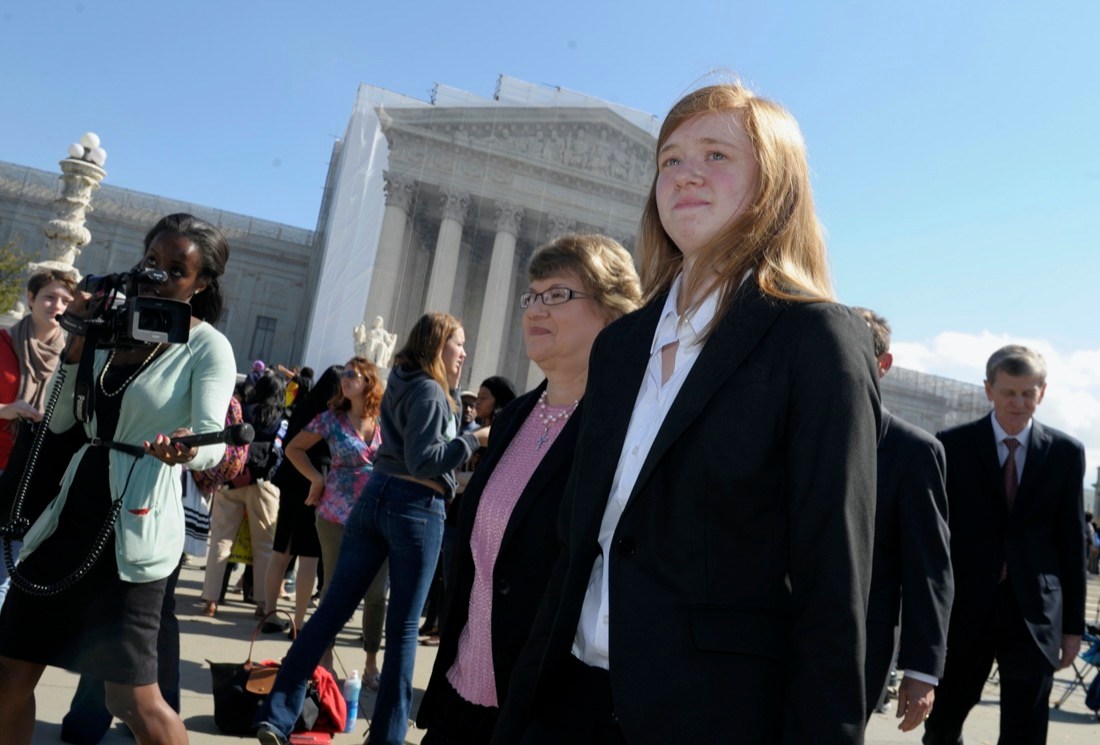
During arguments Monday in cases involving North Carolina and Harvard, those names may be used as shorthand for the cases they represent. But real people are behind them.
A look at what they have done since the Supreme Court made their names synonymous with the issue of race in higher education:
Regents of the University of California v. Bakke, 1978