
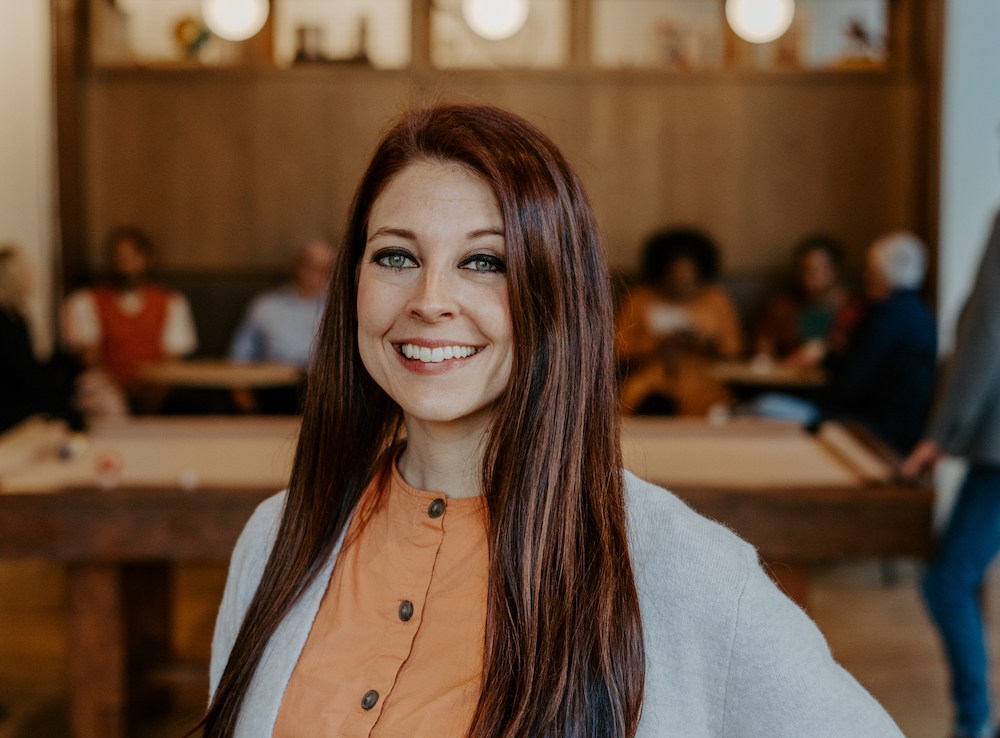
For the last seven years, I’ve had the pleasure of working for First Things First Inc. We’re a nonprofit dedicated to helping every family have healthy relationship skills to pass down from generation to generation. I’ve served in several roles at FTF, but for the last 12 months, I’ve been honored to serve as president and CEO.
This is my first of many articles to be published in this column for the Chattanooga Times Free Press. Mitchell Qualls, our vice president of operations, is handing me the baton. I will continue to share research-based relationship skills and best family practices with you. I’m so grateful for the dedication and exceptional content Mitchell created over the last two years. I know many families in our community have been encouraged and empowered through his writing.
So here we are in another time of transition. A different byline will appear in this column. A new season is approaching. The holidays and the hustle and bustle are right around the corner. If there’s one thing that’s certain to stay the same in life, it’s change.
I’m 32 years old, I’ve been married to my husband, Daniel, for almost nine years, and we have a sweet, rambunctious 3-year-old named Strider. At least once a week, my husband and I talk about what we can do to create a more consistent schedule. We’re convinced consistency will make daily life easier and make everything fall into place.
But the truth is, no matter how well we plan, we can always expect change. We can’t prohibit the flu from taking over our household. We can’t keep the tree from falling down in our yard during a storm. We can’t stop mechanical issues from happening in our car. As much as we might wish it wasn’t true, change is here to stay.
However, we can choose how we support each other when change inevitably occurs.
In 2021, Cleveland Health Clinic reported people experience increased stress symptoms when going through change, and these symptoms increase the more change we encounter.
So we’ve already determined change is inevitable, and now we know stress is also unavoidable. What’s the solution if we can’t avoid it?
A 2017 research article published in the Innovation in Aging journal through Oxford University Press revealed healthy family relationships can limit stress, increase the production of mood-boosting chemicals in your brain and create a sense of belonging and unconditional love.
In other words, the best way to deal with life changes and the stress they create is to have a solid support system to rely on. While we can’t plan for change, we can work toward building stronger relationships and families that will help us weather the storms and enjoy the sunshine on the other side.
According to the Journal of Marriage and Family Review, strong families have six significant qualities in common: appreciation/ affection, commitment, positive communication, time together, strong coping skills and spiritual well-being.
Over the next six weeks, we’ll take a closer look at each of these six qualities and suggest ways to assess them in your relationships, along with practical tools you can use to strengthen your family for generations to come.
I look forward to continuing this relationship journey alongside you.
Lauren Hall is president and CEO of family advocacy nonprofit First Things First. Email her at lauren@firstthings.org.