
Saturday, November 14, 2026Nov 14

FDA panel backs removal of unproven pregnancy drug

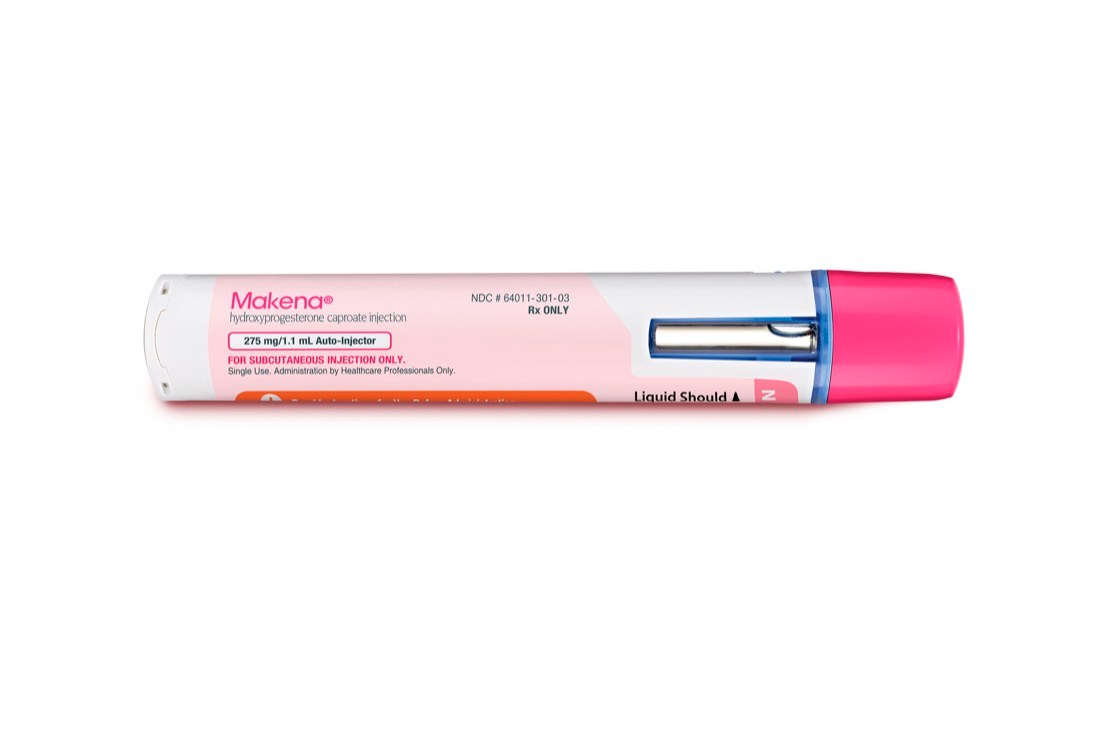
This image provided by Covis Pharma shows packaging for the company's Makena medication. A panel of federal advisers says the drug intended to prevent premature births should be withdrawn because it doesn't work. The recommendation is non-binding but clears the way for the Food and Drug Administration to remove the drug from the market. The FDA deemed the drug ineffective and called for its removal in 2020. But manufacturer Covis Pharma has challenged that decision, setting up this week's public hearing to discuss the drug. (Covis Pharma via AP)

WASHINGTON (AP) — Federal health advisers ruled Wednesday that a drug intended to prevent premature births doesn’t work, clearing the way for U.S. regulators to follow through on a long-delayed effort to get it off the market.

The Food and Drug Administration’s advisory panel voted 14-1 that the injectable drug Makena should no longer be sold, despite appeals from the manufacturer to keep it available pending additional research.

The experts essentially agreed with a 2020 FDA decision that deemed the drug ineffective and called for its removal. The manufacturer, Covis Pharma, had challenged that decision, setting up this week’s rare public hearing.

“If we allow Makena to remain on the market, it implies the FDA looked at a large study, found no benefit and yet allowed this drug to stay on the market,” said Margaret Gatz of the University of Southern California. “I think that’s a bad precedent.”

Gatz and other panelists encouraged Covis to continue studying the drug to determine if a subgroup of women could benefit.