
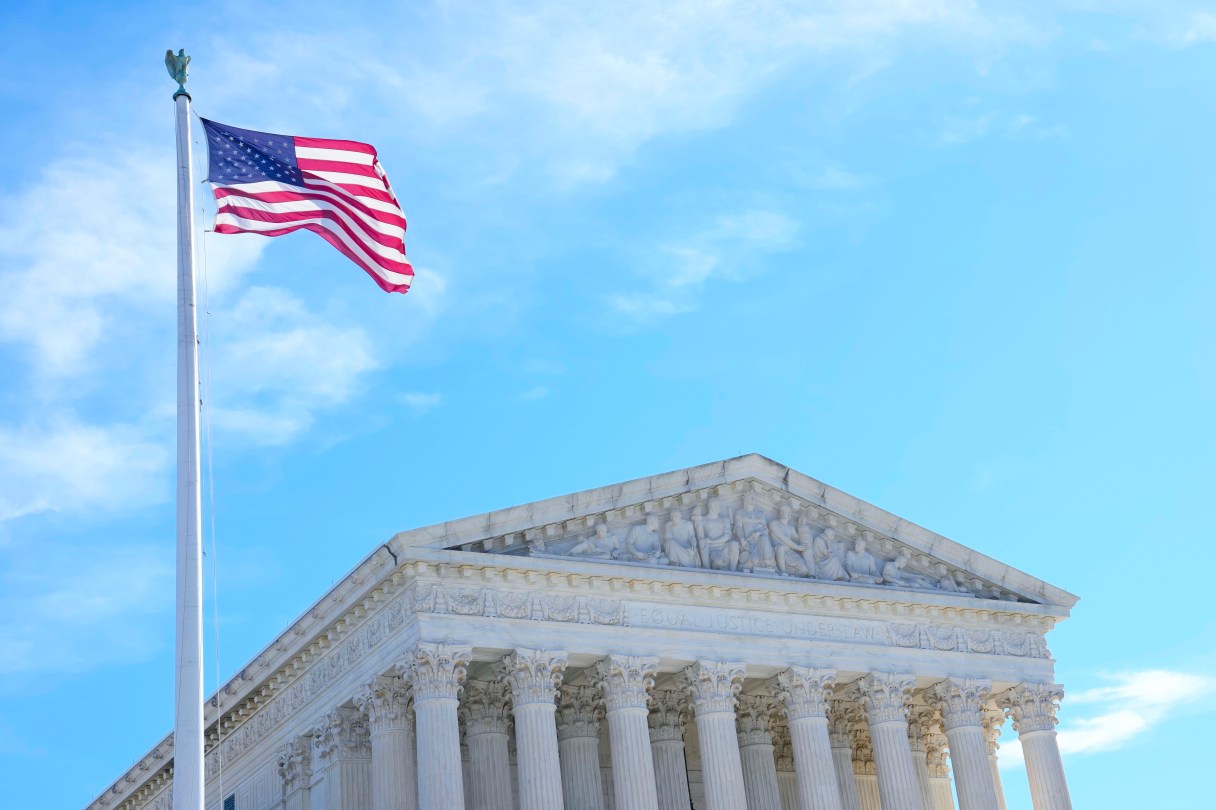
WASHINGTON (AP) — The Supreme Court appeared likely Wednesday to leave in place most of a federal law that gives preference to Native American families in foster care and adoption proceedings of Native children.
The justices heard more than three hours of arguments in a broad challenge to the Indian Child Welfare Act, enacted in 1978 to address concerns that Native children were being separated from their families and, too frequently, placed in non-Native Homes.
It has long been championed by tribal leaders as a means of preserving their families, traditions and cultures. But white families seeking to adopt Native children are among the challengers who say the law is impermissibly based on race, and also prevents states from considering those children’s best interests.
Justice Brett Kavanaugh called the case difficult because the court is being called on to draw a line between tribal sovereignty and “the fundamental principle that we don’t treat people differently because of race, ethnicity or ancestry.”
He was among conservative justices who expressed concern about at least one aspect of the law that gives preference to Native parents, even if they are of a different tribe than the child they are seeking to adopt or foster. Chief Justice John Roberts, Justice Samuel Alito and Justice Amy Coney Barrett also raised questions about whether that provision looked more like a racial classification that the court might frown upon.