
Saturday, November 14, 2026Nov 14

EXPLAINER: Trying to get politics out of election certifying

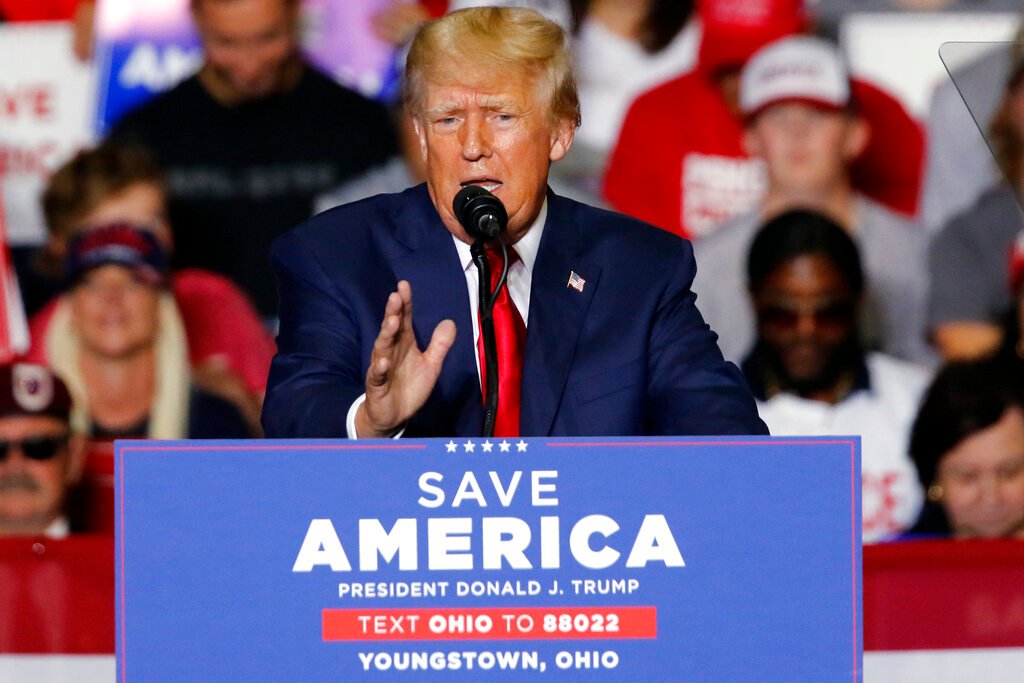
FILE - Former President Donald Trump speaks at a campaign rally in Youngstown, Ohio., Sept. 17, 2022. Trump is finally opening his checkbook and reserving millions of dollars in airtime for ads to bolster his endorsed candidates in key midterm races just one month before Election Day. Trump’s newly-formed MAGA Inc. Super PAC has so far placed reservations in Pennsylvania, Ohio and Arizona, according to the ad tracking firm AdImpact. (AP Photo/Tom E. Puskar, File)

ATLANTA (AP) — Before the 2020 presidential election, certifying election results in the states was routine and generated little public attention. That has changed.

Attempts to delay presidential certification in Michigan in 2020 and primary results in New Mexico earlier this year have brought new scrutiny to a process that typically takes place quietly in the weeks after Election Day.

Members of certification boards have raised unsubstantiated claims of fraud or other wrongdoing, focusing new attention on a process that could be manipulated if either side didn’t like an election outcome.

Whether partisan actors might try to block or delay certification at the local or state level is a growing concern among election officials, both for the upcoming November midterm voting and then the 2024 presidential election. Here is how election officials prepare for certification, who is involved and what might happen if a county refuses to certify its results.