
Monday, November 16, 2026Nov 16

Census: Christians a minority in England; non-religious grow

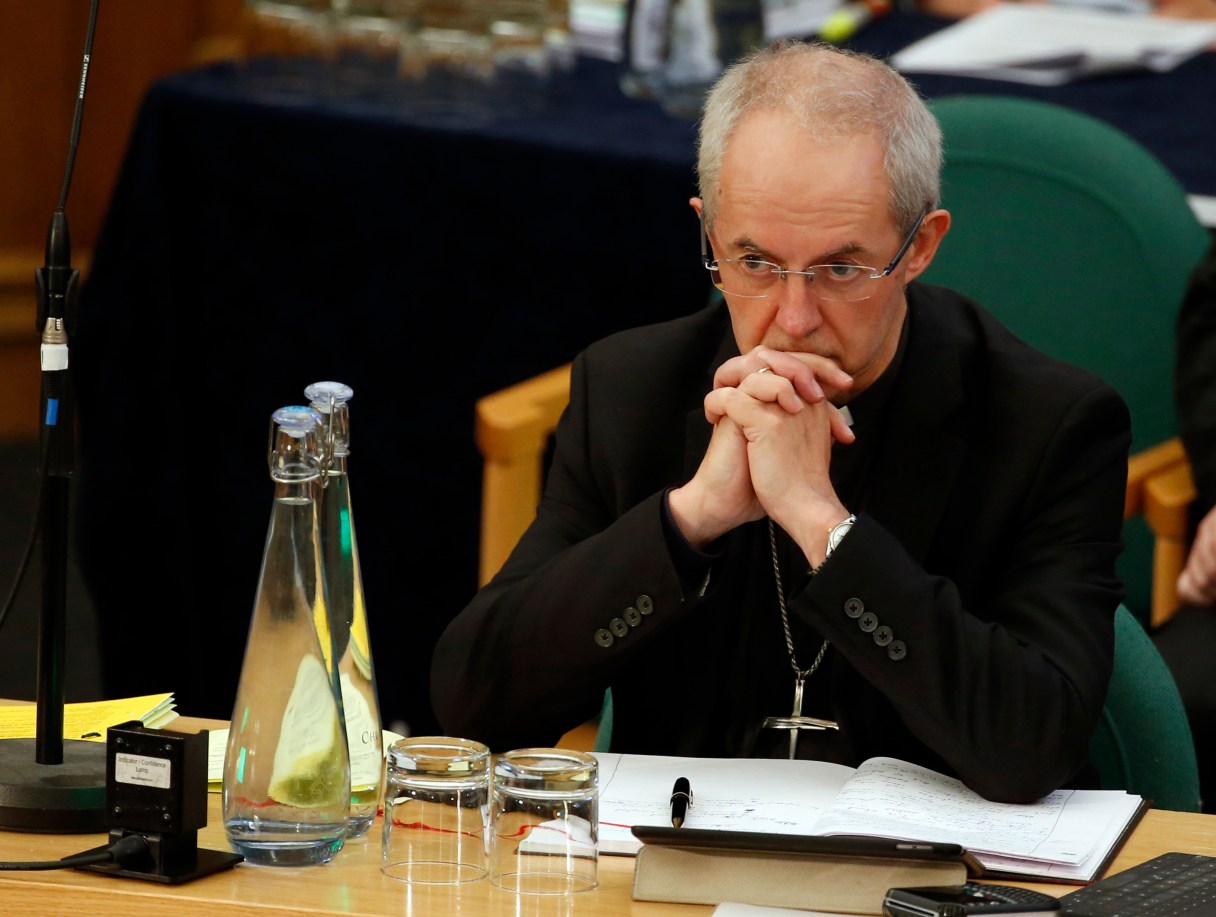
FILE - The Archbishop of Canterbury Justin Welby listens to debate at the General Synod in London, on Feb. 13, 2017. Less than half of people in England and Wales consider themselves Christian, according to the most recent census – the first time the country's official religion has been followed by a minority of the population. Figures from the 2021 census released Tuesday, Nov. 29, 2022, by the Office for National Statistics reveal that Britain has become less religious, and less white, in the decade since the last census in 2011. (AP Photo/Alastair Grant)


LONDON (AP) — Fewer than half the people in England and Wales consider themselves Christian, according to the most recent census — the first time a minority of the population has followed the country’s official religion.

Britain has become less religious — and less white — in the decade since the last census, figures from the 2021 census released Tuesday by the Office for National Statistics revealed.

Some 46.2% of the population of England and Wales described themselves as Christian on the day of the 2021 census, down from 59.3% a decade earlier. The Muslim population grew from 4.9% to 6.5% of the total, while 1.7% identified as Hindu, up from 1.5%.

More than 1 in 3 people — 37% — said they had no religion, up from 25% in 2011.