
Monday, November 16, 2026Nov 16

Supreme Court to hear arguments over Biden’s deportation policy

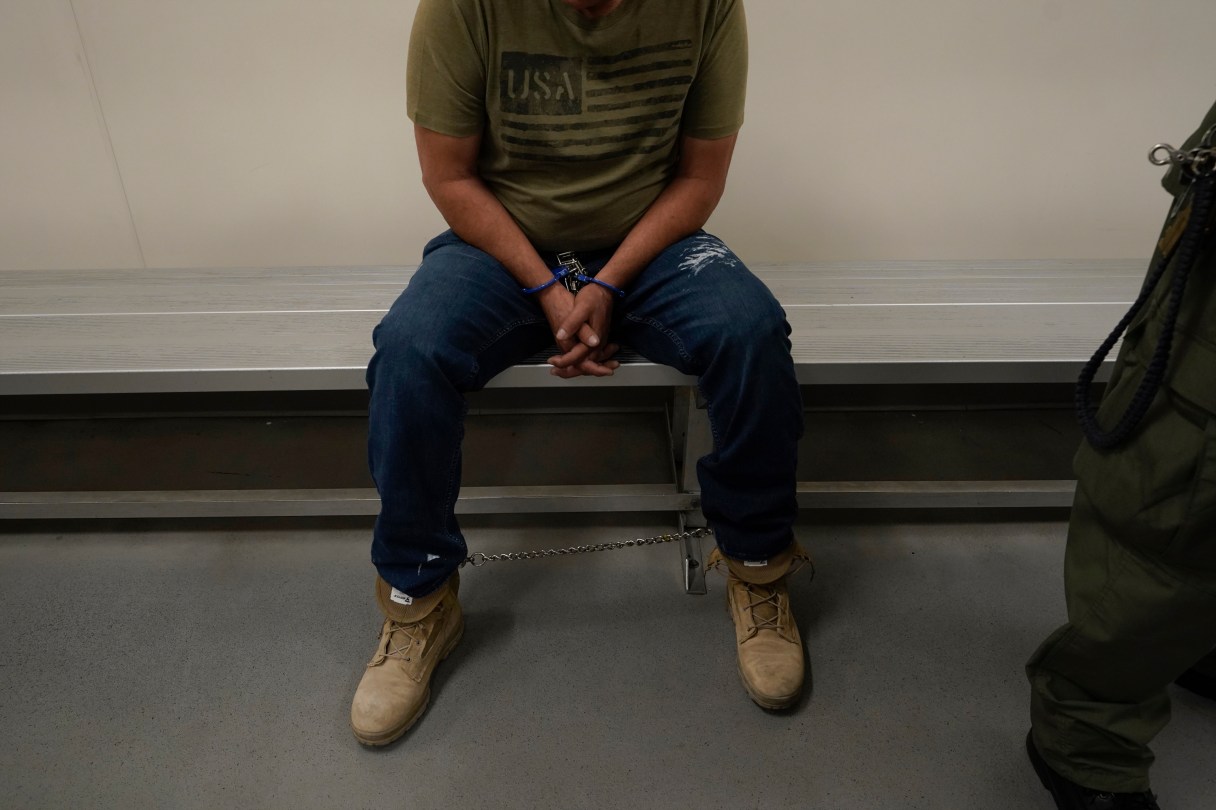
FILE - An immigrant considered a threat to public safety and national security waits to be processed by U.S. Immigration and Customs Enforcement agents at the ICE Metropolitan Detention Center in Los Angeles, after an early morning raid, June 6, 2022. The Supreme Court is taking up a dispute over a blocked Biden administration policy that would prioritize deportation of people in the country illegally who pose the greatest public safety risk. (AP Photo/Damian Dovarganes, File)

WASHINGTON (AP) — The Supreme Court is taking up a dispute over a blocked Biden administration policy that would prioritize deportation of people in the country illegally who pose the greatest public safety risk.

Republican-led states sued and won a nationwide court order that is meant to limit immigration officers’ discretion in deciding whom to deport. The justices are hearing arguments in the case Tuesday.

It’s the latest example of a Republican litigation strategy that has succeeded in slowing Biden administration initiatives by going to GOP-friendly courts.

In a separate ongoing legal dispute, three judges chosen by President Donald Trump are among the four Republican-appointed judges who have so far prevented the administration’s student loan cancellation program from taking effect.

At the center of the immigration legal fight is a September 2021 directive from the Department of Homeland Security that paused deportations unless individuals had committed acts of terrorism, espionage or “egregious threats to public safety.”