
BEIJING (AP) — More Chinese cities eased anti-virus restrictions and police patrolled their streets Thursday as the government tried to defuse public anger over some of the world’s most stringent COVID measures and head off more protests.
Following weekend demonstrations at which some crowds made the politically explosive demand that leader Xi Jinping resign, the streets of major cities have been quiet in the face of a crackdown that has been largely out of sight.
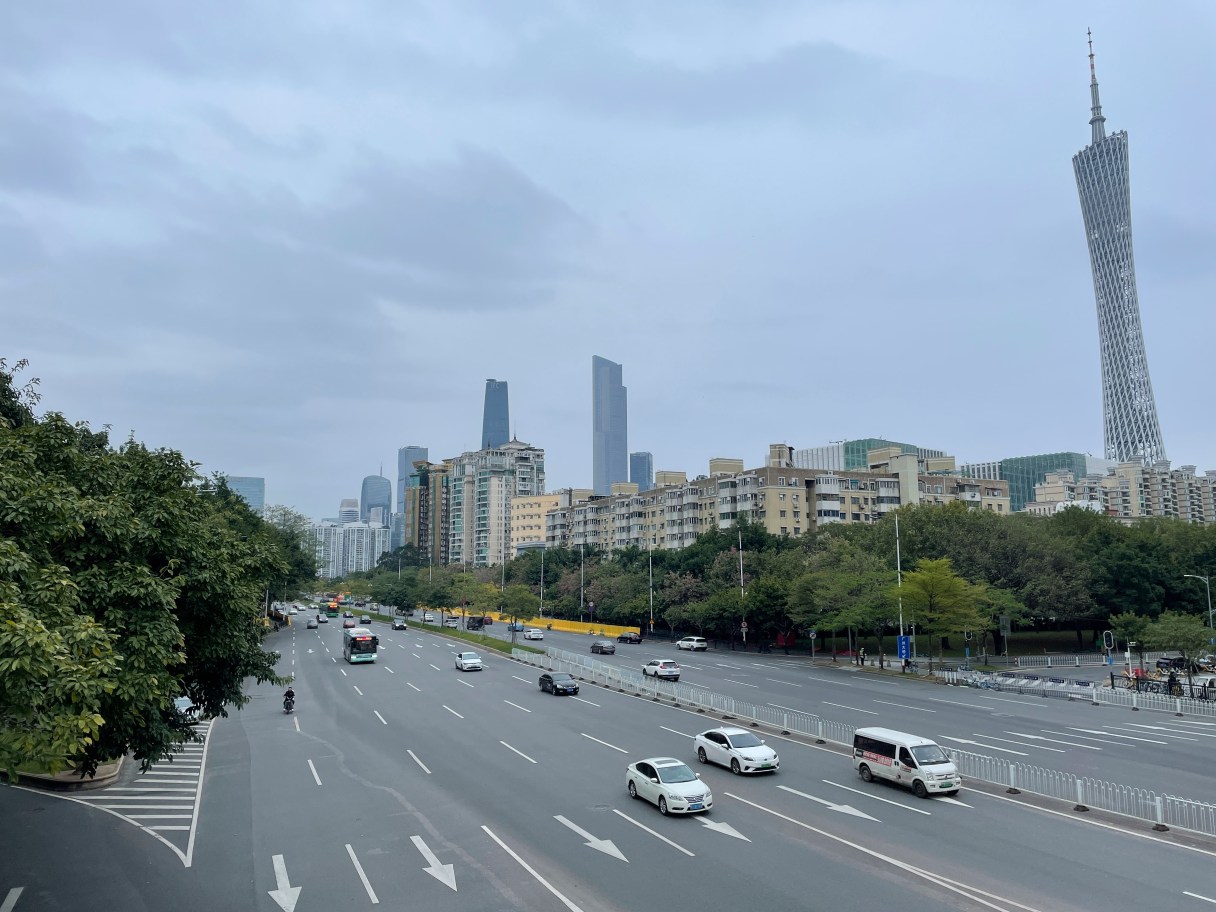
Guangzhou in the south, Shijiazhuang in the north, Chengdu in the southwest and other major cities announced they were easing testing requirements and controls on movement. In some areas, markets and bus service reopened. A newspaper reported Beijing, the capital, has begun allowing some people with the virus to isolate at home, avoiding crowded quarantine centers that have prompted complaints. The government didn’t immediately respond to a request for confirmation.
But many of the rules that brought people into the streets of Shanghai, Beijing and at least six other cities remain in force. The death of former leader Jiang Zemin this week could provide another opportunity for crowds to gather and potentially protest.
The announcements easing restrictions didn’t mention last weekend’s protests of the human cost of anti-virus measures that confine millions of people to their homes. But the timing and publicity suggested Xi’s government was trying to mollify public anger.