
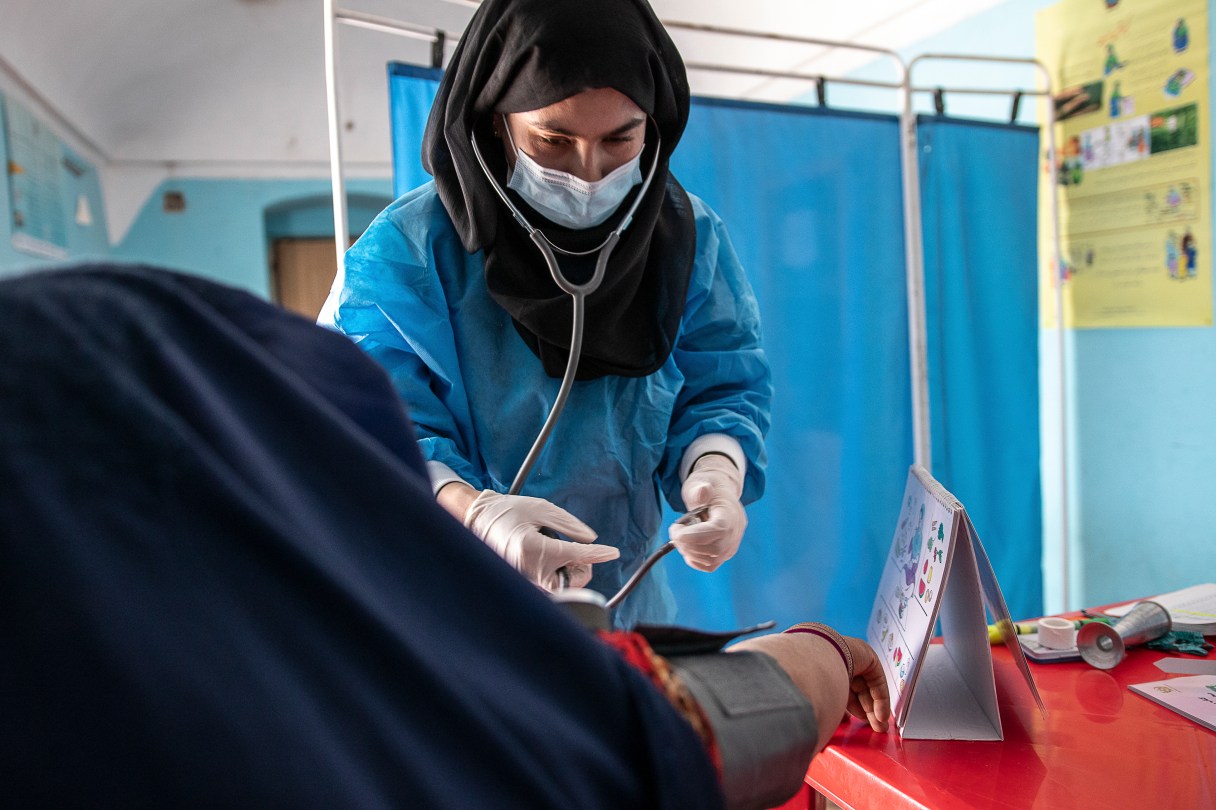
WASHINGTON (AP) — For an idled worker at a Kabul-based aid group, Abaad, that helps abused Afghan women, frightened and often tearful calls are coming in, not only from her clients but also from her female colleagues.
A Dec. 24 order from the Taliban barring aid groups from employing women is paralyzing deliveries that help keep millions of Afghans alive, and threatening humanitarian services countrywide. As another result of the ban, thousands of women who work for such organizations across the war-battered country are facing the loss of income they desperately need to feed their own families.
The prohibition is posing one of the biggest policy challenges over Afghanistan for the United States and other countries since the U.S. military withdrawal in August 2021 opened the door for the Taliban takeover. Those nations face the difficult task of crafting an international response that neither further worsens the plight of millions of aid-dependent Afghans nor caves in to the Taliban’s crackdown on women.
The United Nations estimates that 85% of nongovernmental aid organizations in Afghanistan have partially or fully shut down operations because of the ban, which is the Taliban’s latest step to drive women from public life.
Abaad was among those suspending its work. Its female employees provided support and counseling to women who endured rape, beatings, forced marriages or other domestic abuse.