
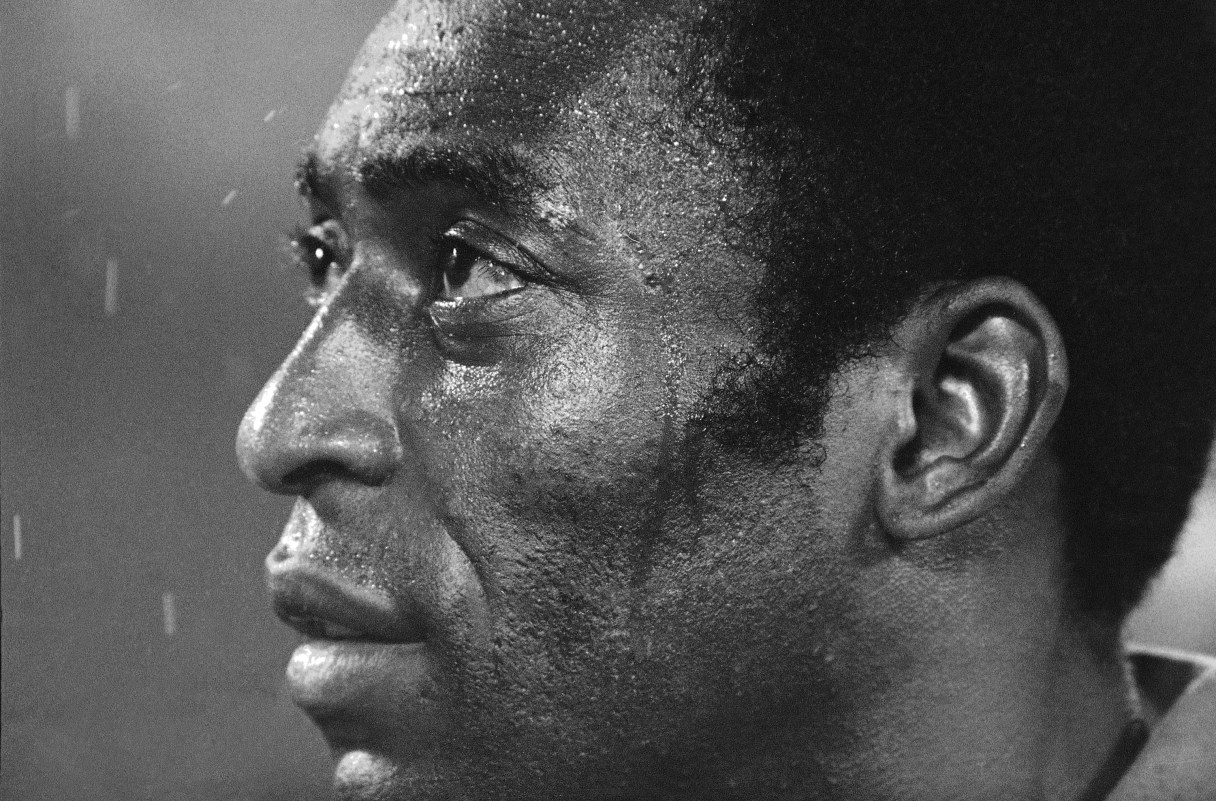
SAO PAULO — In the end, Pelé was known for more than soccer, but there is no doubt his talent in that sport is what made him, quite simply, “The King.”
He embraced “the beautiful game” in his 1958 World Cup debut for Brazil and never really let go, winning soccer’s quadrennial tournament a record three times while scoring 12 goals in 14 matches and becoming widely regarded as one of the sport’s greatest players. His majestic and galvanizing presence set him among the most recognizable figures in the world, and beyond the pitch he acted in movies and TV shows and also showed his love of music by composing songs, with one of his albums selling more than 100,000 copies.
Pelé, who had been treated for colon cancer since 2021, died Thursday at 82. The medical center where he had been hospitalized for the past month said he died of multiple organ failure as a result of the cancer.
“Before Pelé, ’10′ was just a number,” current Brazil forward Neymar wrote Thursday on Instagram. “That line, beautiful, is incomplete. I would say that before Pelé soccer was just a sport. Pelé changed everything. He transformed soccer into art, entertainment. He gave voice to the poor, to the Black and above all he gave Brazil visibility. Soccer and Brazil elevated their standing thanks to the King! He is gone, but his magic will endure.”
A funeral was planned for Monday and Tuesday, with his casket to be carried through the streets of Santos, the coastal city where his storied career began, before burial.
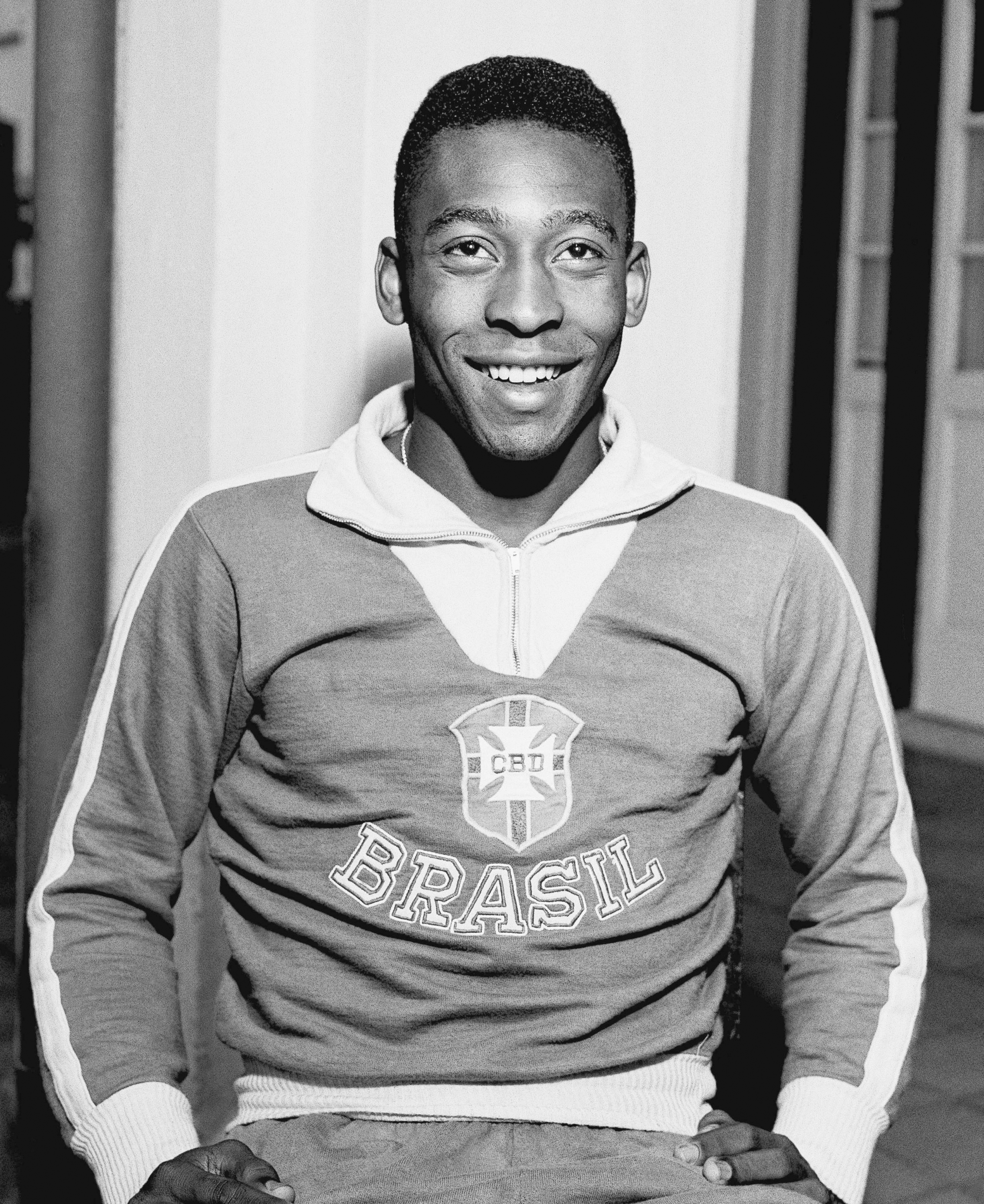
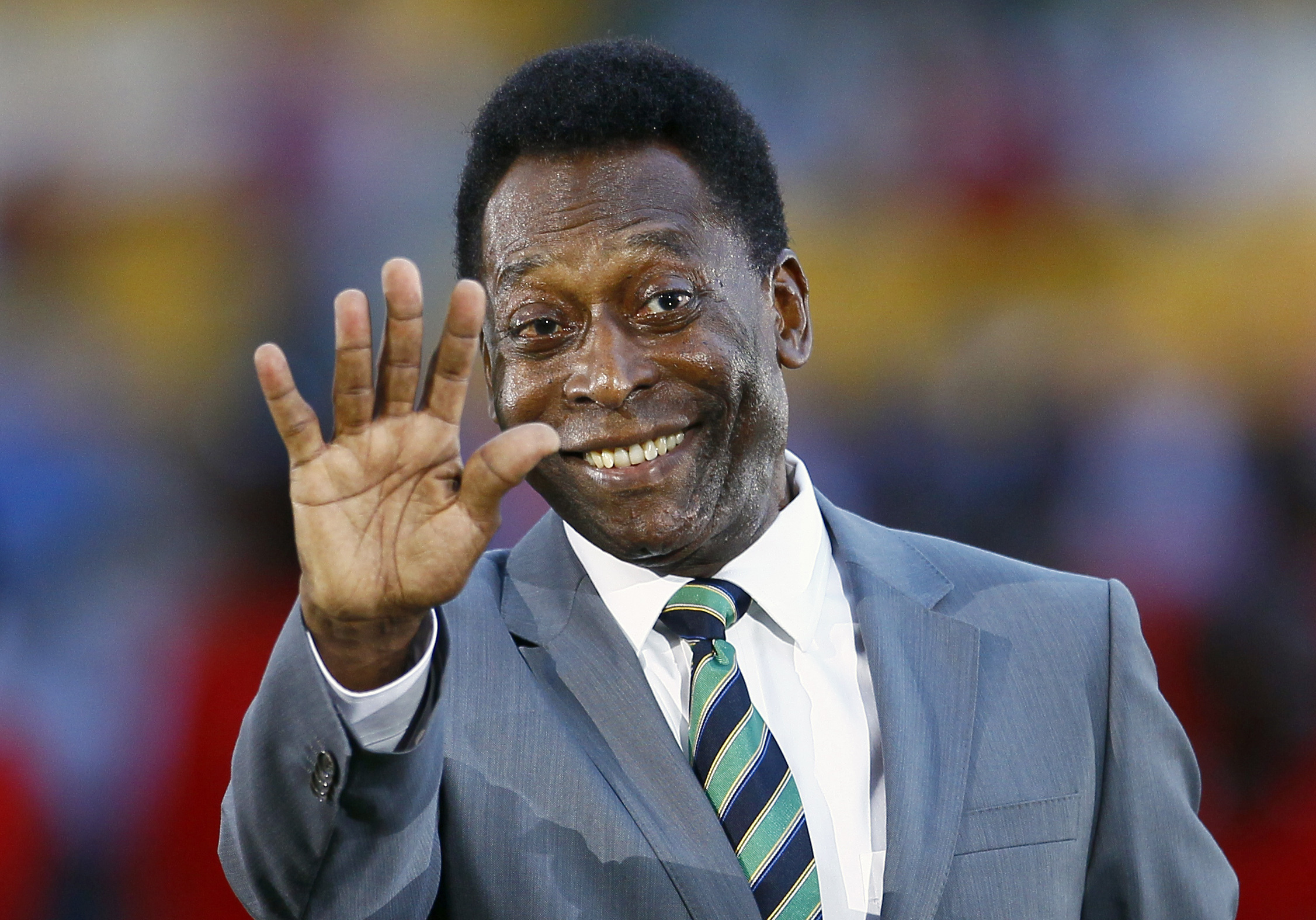
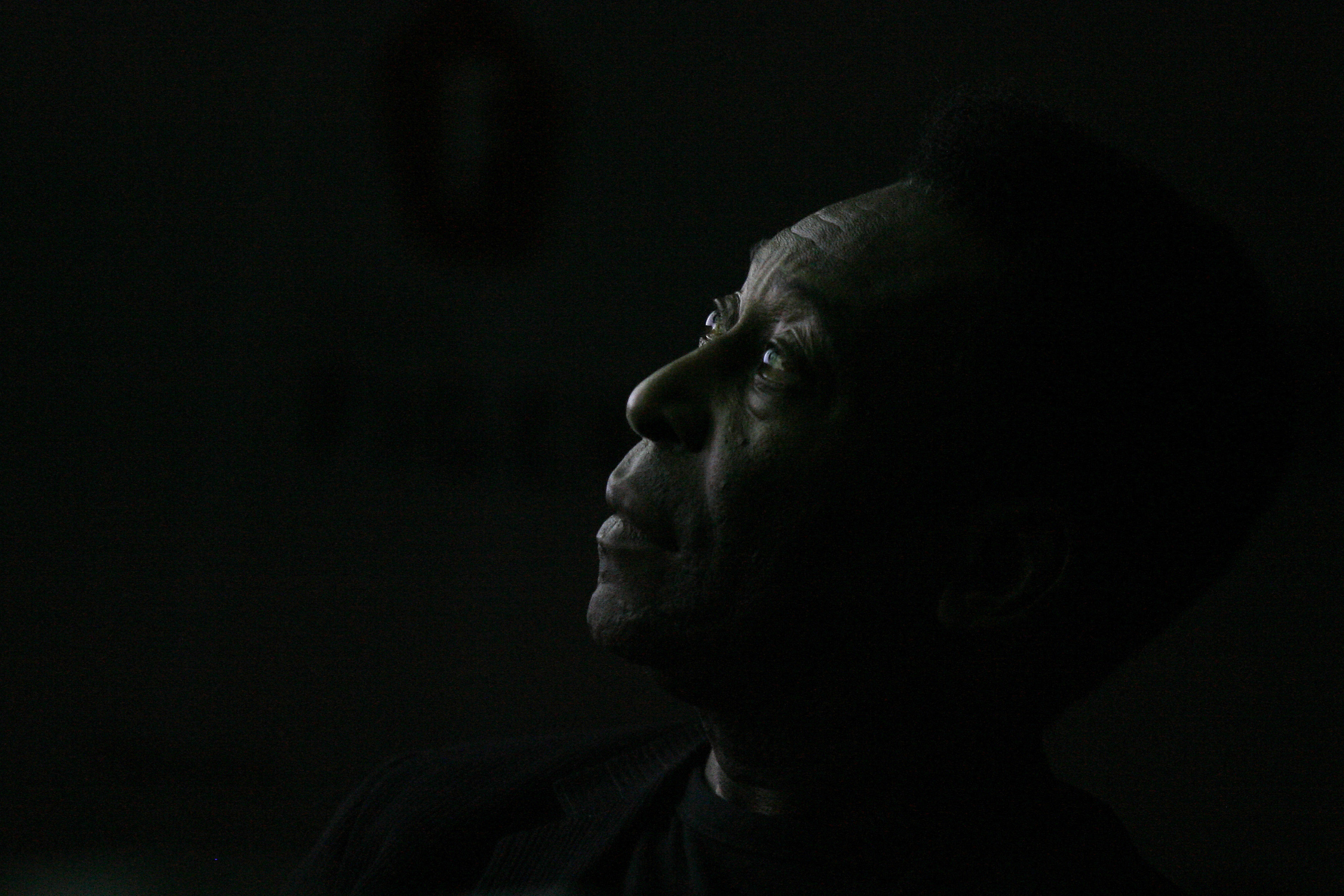
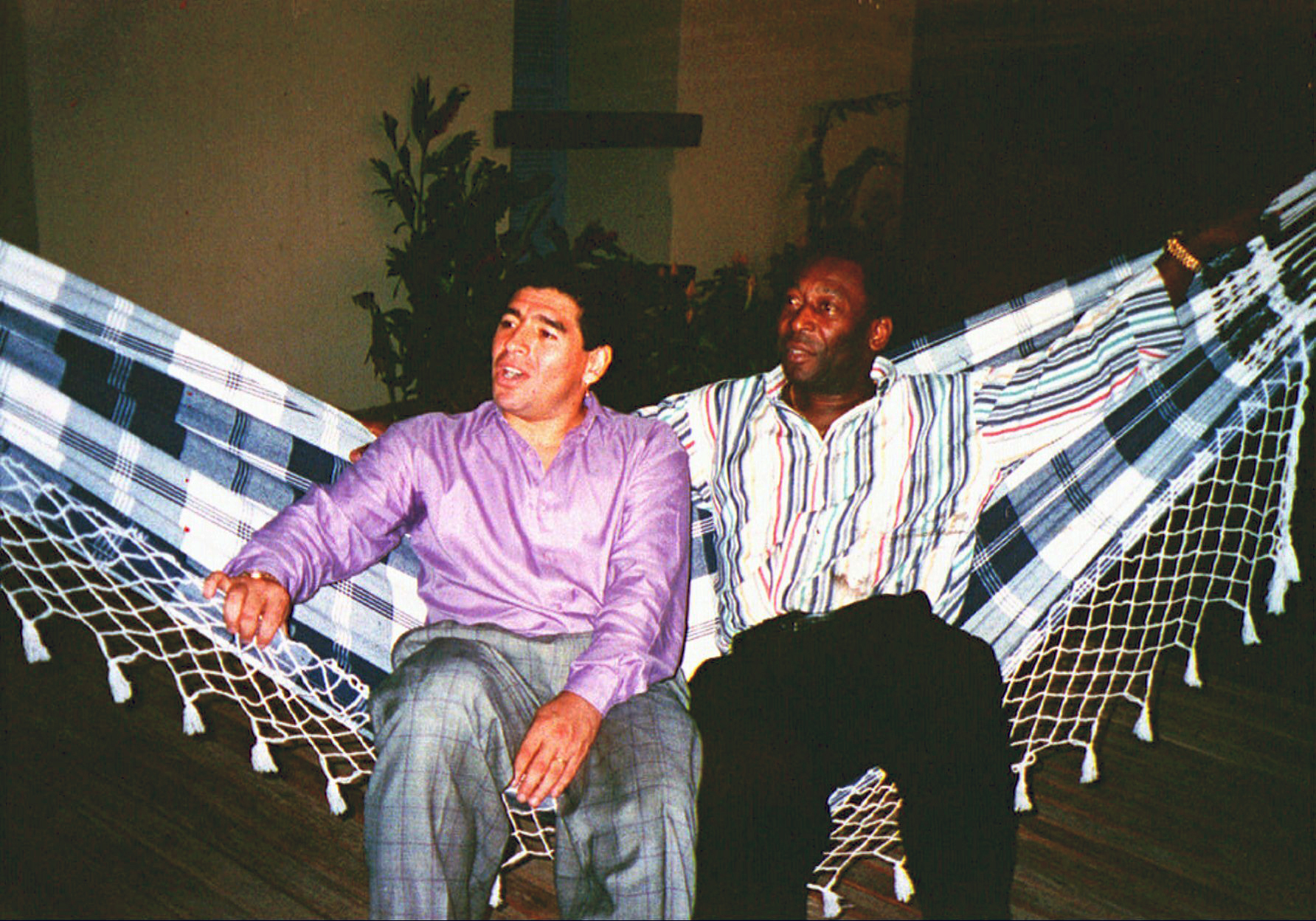
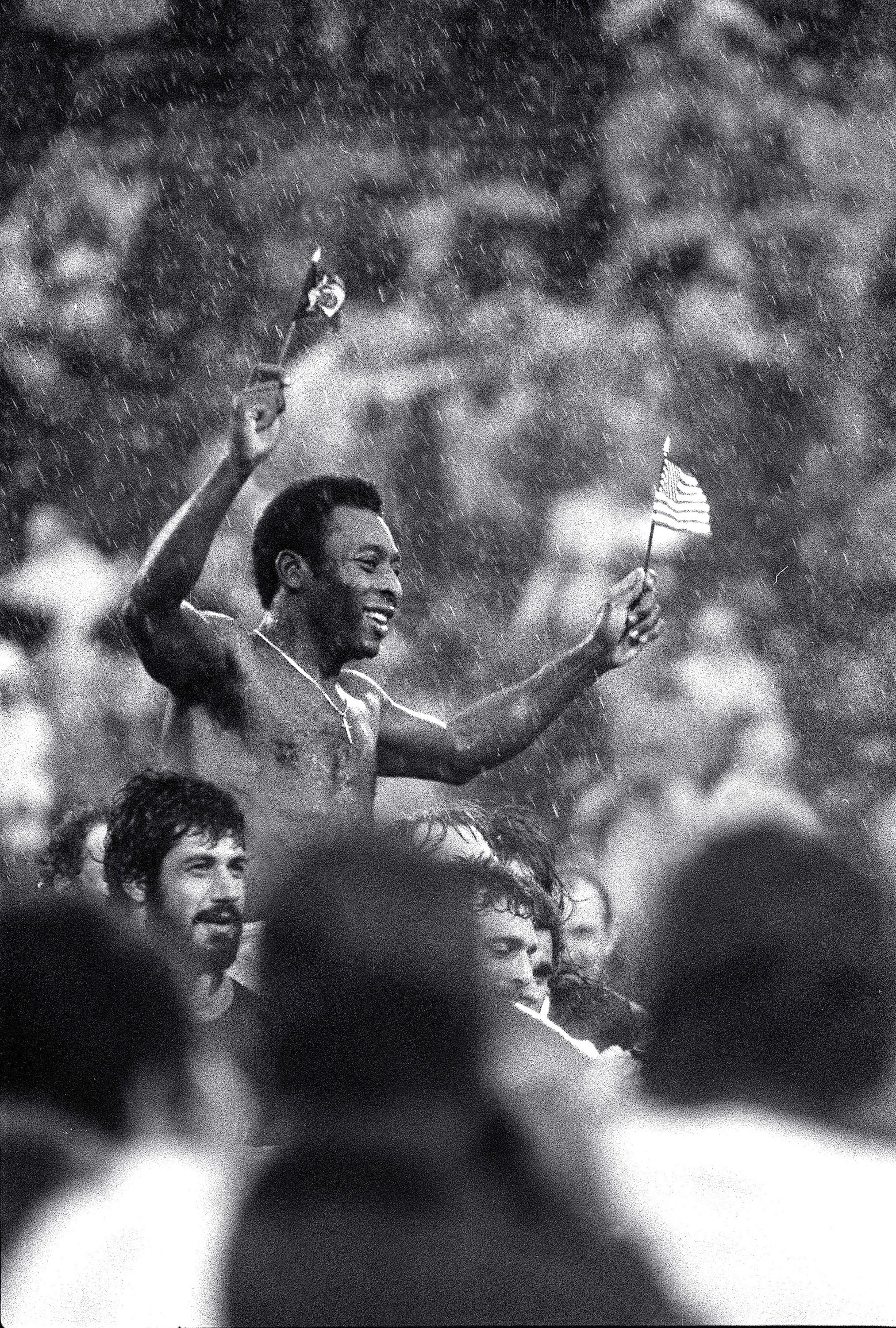
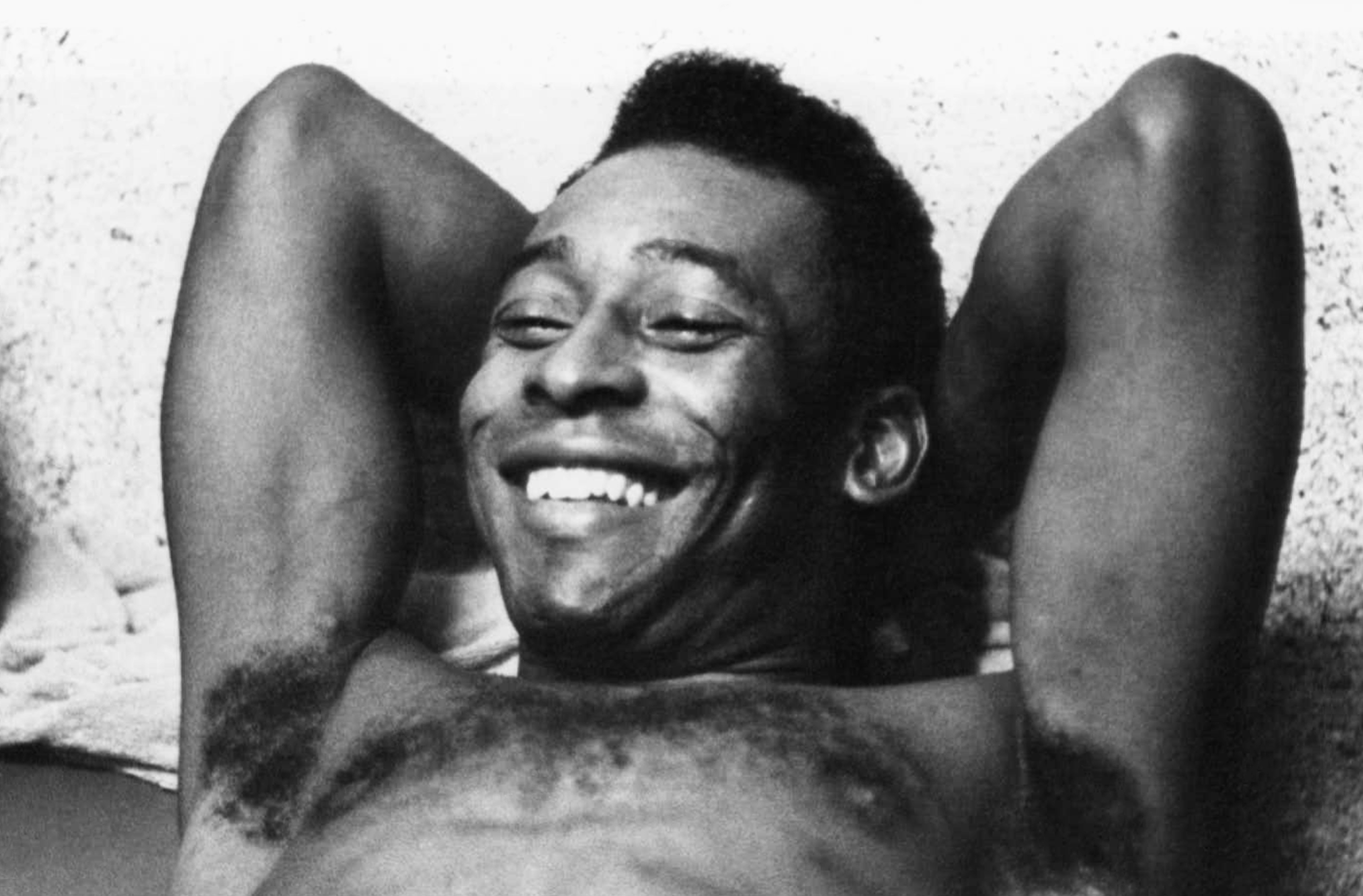
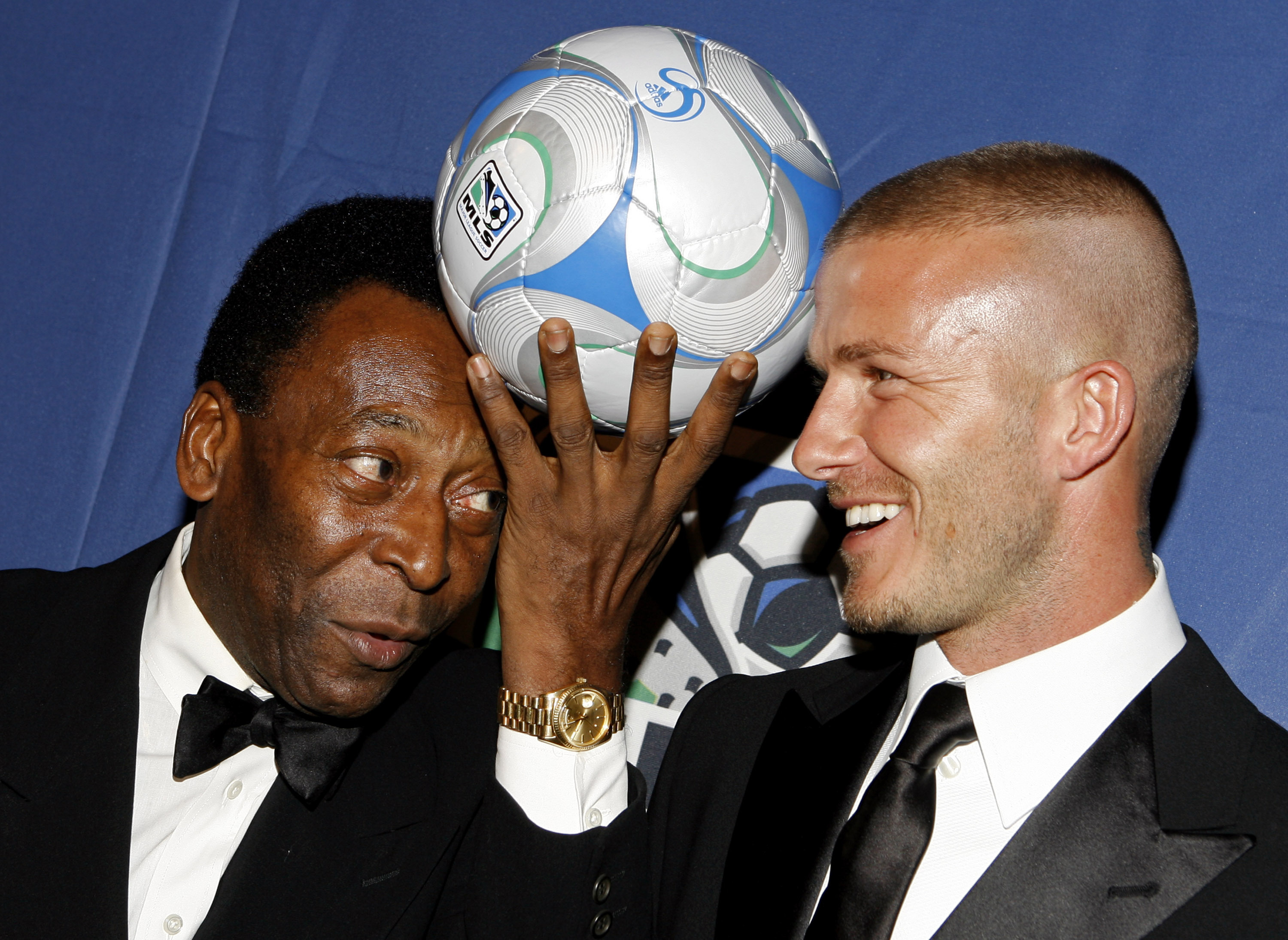
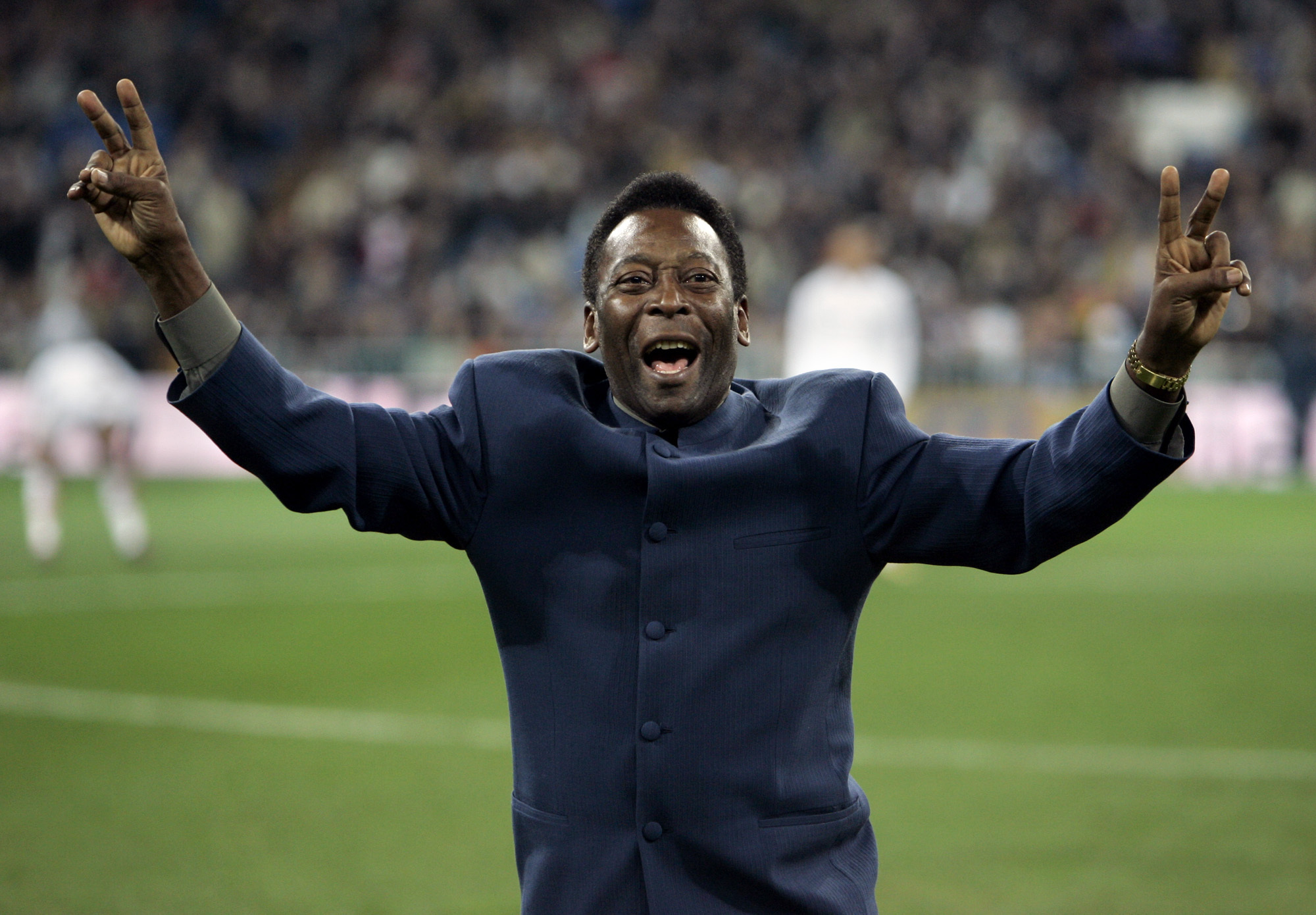
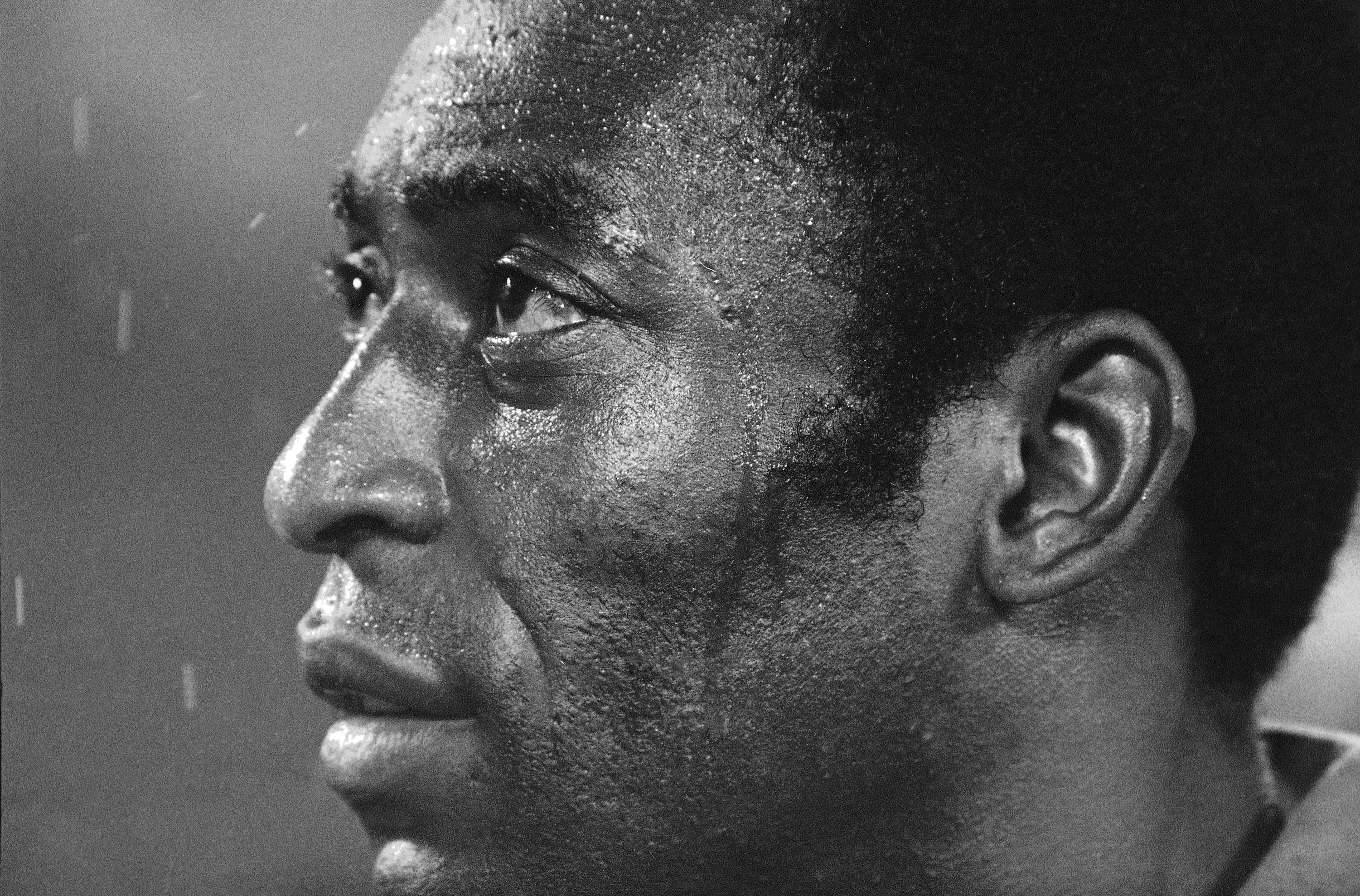
Pelé spent nearly two decades enchanting fans and dazzling opponents as the game’s most prolific scorer with Brazilian club Santos and his country’s national team.
His grace, athleticism and mesmerizing moves transfixed players and fans. He orchestrated a fast, fluid style that revolutionized the sport — a samba-like flair that personified Brazil’s elegance on the field.
He carried the nation to soccer’s heights and became a global ambassador for his sport in a journey that began on the streets of the state of Sao Paulo, where he would kick a sock stuffed with newspapers or rags.
In the conversation about soccer’s greatest players, only Diego Maradona — who died in November 2020 at age 60 — and fellow Argentina great Lionel Messi, who earlier this month led that country to the World Cup title in Qatar, and Portugal’s Cristiano Ronaldo are mentioned alongside Pelé.
Different sources, counting different sets of games, list Pelé’s goal totals anywhere from 650 (league matches) to 1,281 (all senior matches, some against low-level competition.)
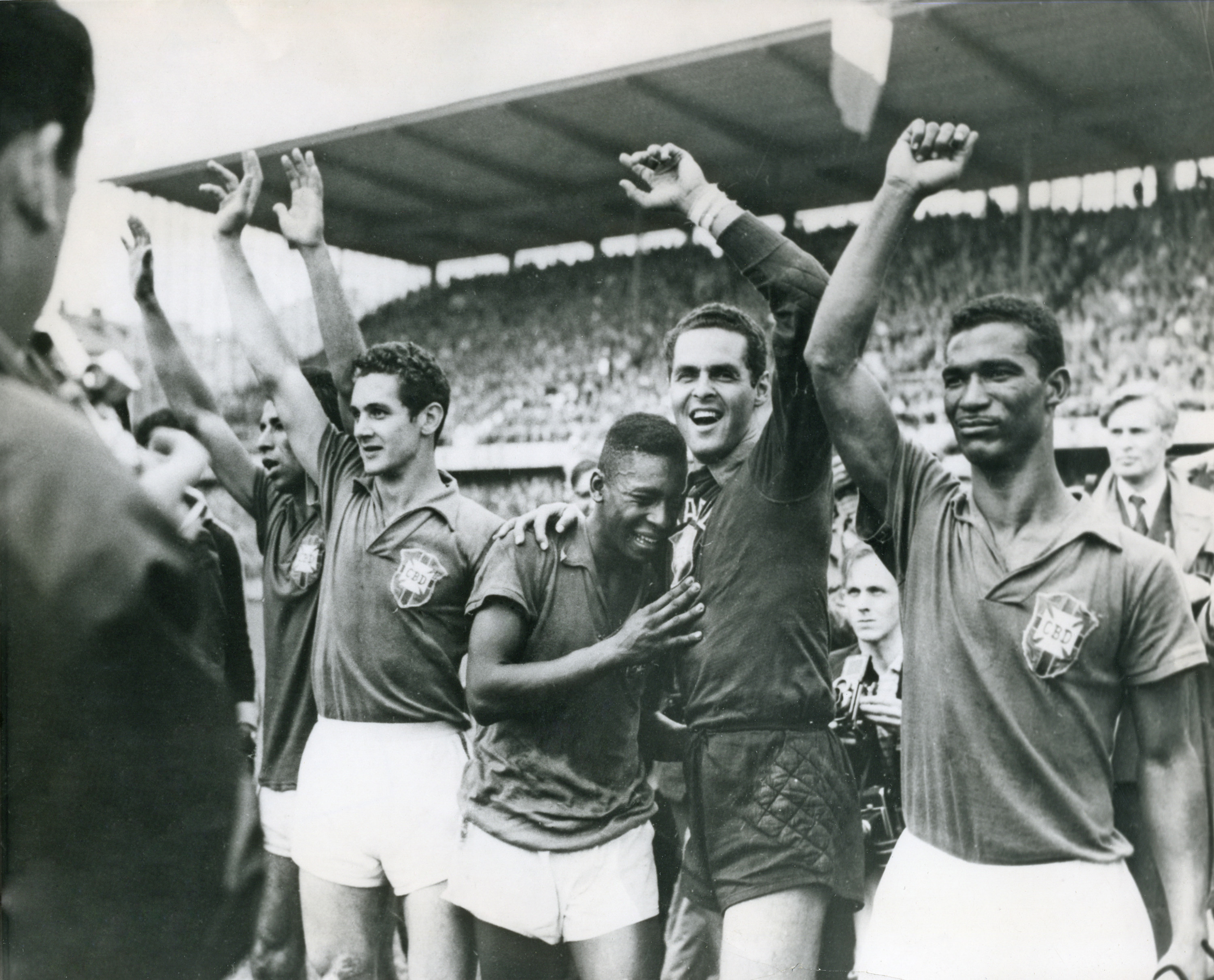
The player who would be dubbed “The King” was introduced to the world at 17 at the 1958 World Cup in Sweden, the youngest player ever at the tournament. He was carried off the field on teammates’ shoulders after scoring two goals in Brazil’s 5-2 victory over the host country in the final.
Injury limited him to just two games when Brazil retained the world title in 1962, but Pelé was the emblem of his country’s World Cup triumph of 1970 in Mexico. He scored in the final and set up Carlos Alberto with a nonchalant pass for the last goal in a 4-1 victory over Italy.
The image of Pelé in a bright yellow Brazil jersey, the No. 10 stamped on the back, remains alive with soccer fans everywhere. As does his trademark goal celebration — a leap with a right fist thrust high above his head.
Pelé’s fame was such that in 1967 factions of a civil war in Nigeria agreed to a brief cease-fire so he could play an exhibition match in the country. He was knighted by Britain’s Queen Elizabeth II in 1997. In the 1980s, when he visited Washington, D.C., to help popularize the game in North America, it was the president who stuck out his hand first.
“My name is Ronald Reagan, I’m the president of the United States of America,” the host said to his visitor. “But you don’t need to introduce yourself because everyone knows who Pelé is.”
He was Brazil’s first modern Black national hero but rarely spoke about racism in a country where the rich and powerful tend to hail from the white minority. Opposing fans taunted Pelé with monkey chants at home and all over the world.
“He said that he would never play if he had to stop every time he heard those chants,” said Angelica Basthi, one of Pelé’s biographers. “He is key for Black people’s pride in Brazil but never wanted to be a flagbearer.”
Pelé’s life after soccer took many forms. Beyond his pop culture impact through entertainment, he was a politician — Brazil’s extraordinary minister for sport — a wealthy businessman, even an ambassador for UNESCO and the United Nations.
As his health deteriorated, his travels and appearances became less frequent. He was often seen in a wheelchair during his final years and did not attend a ceremony to unveil a statue of him representing Brazil’s 1970 World Cup team. Pelé spent his 80th birthday isolated with a few family members at a beach home.
Born Edson Arantes do Nascimento, in the small city of Tres Coracoes in the interior of Minas Gerais state on Oct. 23, 1940, Pelé grew up shining shoes to buy his modest soccer gear.
His talent drew attention when he was 11, and a local professional player brought him to Santos’ youth squads. It didn’t take long for him to make it to the senior team.
Despite his age and 5-foot-8 frame, he scored against grown men with the same ease he displayed against friends back home. He debuted with the Brazilian club at 16 in 1956, and the club quickly gained worldwide recognition.
The name Pelé came from him mispronouncing the name of a player called Bilé.
He went to the 1958 World Cup as a reserve but became a key player for his country’s championship team. His first goal, in which he flicked the ball over the head of a defender and raced around him to volley it home, was voted as one of the best in World Cup history.
The 1966 World Cup in England — won by the hosts — was a bitter one for Pelé, by then already considered the world’s top player. Brazil was knocked out in the group stage. Pelé, angry at the rough treatment, swore it was his last World Cup.
He changed his mind and was rejuvenated in the 1970 World Cup. In a game against England, he struck a header for a certain score, but the great goalkeeper Gordon Banks flipped the ball over the bar in an astonishing move. Pelé likened the save — one of the best in World Cup history — to a “salmon climbing up a waterfall.” Later, he scored the opening goal in the final against Italy, his last World Cup match.
In all, Pelé played 114 matches with Brazil, scoring a record 95 goals, including 77 in official matches.
His run with Santos stretched over three decades until he went into semi-retirement after the 1972 season. Wealthy European clubs tried to sign him, but the Brazilian government intervened to keep him from being sold, declaring him a national treasure.
On the field, Pelé’s energy, vision and imagination drove a gifted Brazilian national team with a fast, fluid style of play that exemplified “o jogo bonito” — Portuguese for “the beautiful game.” His 1977 autobiography, “My Life and the Beautiful Game,” made the phrase part of soccer’s lexicon.
In 1975, he joined the New York Cosmos of the North American Soccer League. Although 34 and past his prime, Pelé gave soccer a higher profile in North America. He led the Cosmos to the 1977 league title and scored 64 goals in three seasons.
Pelé ended his career on Oct. 1, 1977, in an exhibition between the Cosmos and Santos before a crowd in New Jersey of some 77,000. He played half the game with each club. Among the dignitaries on hand was perhaps the only other athlete whose renown spanned the globe at that time: legendary boxer Muhammad Ali.
Pelé would endure difficult times in his personal life, especially when his son Edinho was arrested on drug-related charges. Pelé had two daughters out of wedlock and five children from his first two marriages, to Rosemeri dos Reis Cholbi and Assiria Seixas Lemos. He later married businesswoman Marcia Cibele Aoki.
Even as other players came along and contended for the crown as soccer’s greatest of all time, Pelé’s royal nickname was safe, because it was about more than being a skilled athlete.
“I saw Pelé play, live, at Pacaembu and Morumbi (stadiums),” former Brazil President and current President-elect Luiz Inácio Lula da Silva wrote Thursday. “Play, no. I saw Pelé give a show. Because when he got the ball he always did something special, which often ended in a goal. … Few Brazilians took the name of our country as far as he did. As different from Portuguese as one’s language was, foreigners from the four corners of the planet soon found a way to pronounce the magic word: ‘Pelé.'”
Updated with more information at 8 p.m. on Dec. 29, 2022.