
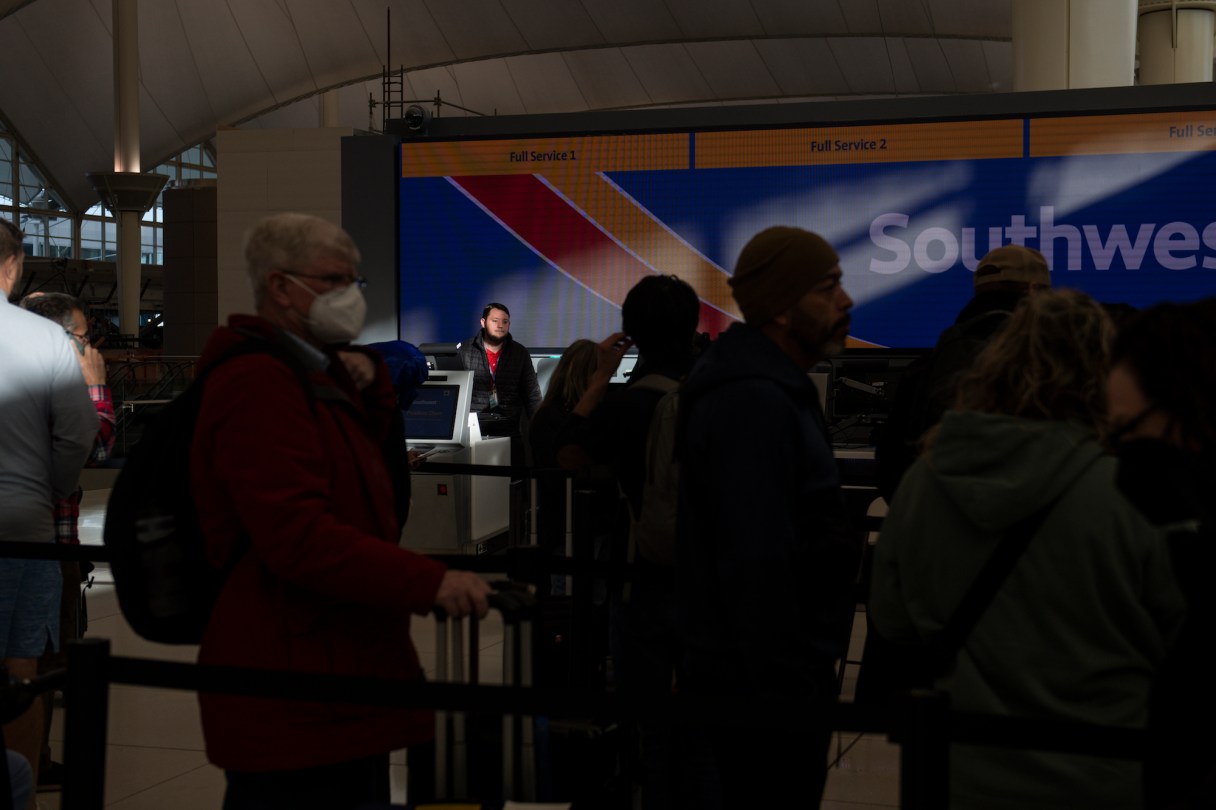
Americans are furious with Southwest Airlines, and understandably so. Severe weather always disrupts air travel, but Southwest was the only major airline to suffer a near-complete collapse of service in the wake of the recent megastorm, stranding thousands of passengers.
I’d love to write a scathing, muckraking column about the destructive effects of corporate greed. But that doesn’t seem to be the main story here.
To be clear, greed surely played some role in the disaster. Most obviously, Southwest hadn’t spent the money needed to upgrade a scheduling system many people inside the airline knew was inadequate. Instead, before the pandemic, it spent billions on stock buybacks.
Yet righteous anger shouldn’t stop us from trying to understand why, exactly, things went so wrong.
The roots of Southwest’s unique meltdown go back all the way to 1978, when the airline industry was deregulated. Until then, interstate carriers were basically forced to offer direct, “point-to-point” service between cities. After deregulation, most major airlines shifted to “hub-and-spoke” systems, which had many passengers changing planes at major centers such as Chicago’s O’Hare or Atlanta.