
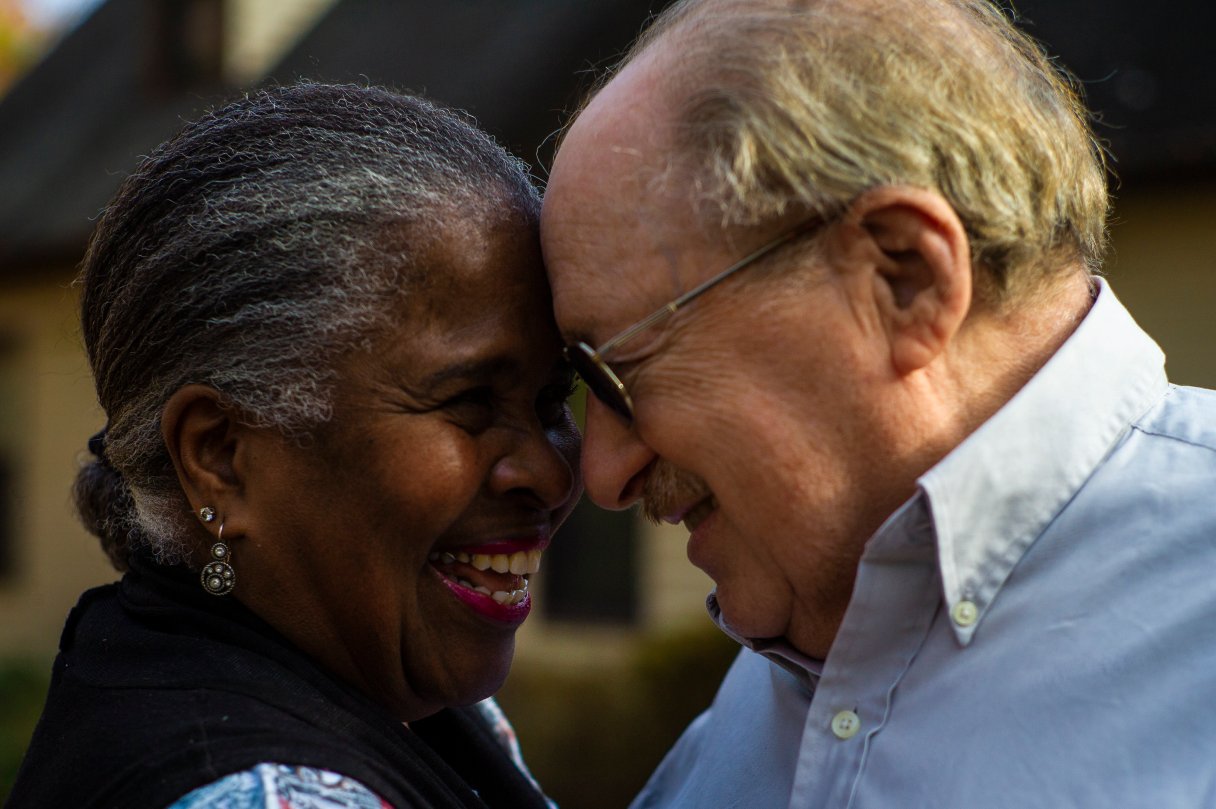
RICHMOND, Va. (AP) — One day in the 1970s, Paul Fleisher and his wife were walking through a department store parking lot when they noticed a group of people looking at them. Fleisher, who is white, and his wife, who is Black, were used to “the look.” But this time it was more intense.
“There was this white family who was just staring at us, just staring holes in us,” Fleisher recalled.
That fraught moment occurred even though any legal uncertainty about the validity of interracial marriage had ended a decade earlier — in 1967, when the U.S. Supreme Court struck down state laws banning marriages between people of different races.
In the more than half-century since, interracial marriage has become more common and far more accepted. So Fleisher was surprised that Congress felt the need to include an additional protection in the Respect for Marriage Act, which goes to the House for a final vote expected this week. It would ensure that not only same-sex marriages, but also interracial marriages, are enshrined in federal law.
The 74-year-old Fleisher, a retired teacher and children’s book author, attended segregated public schools in the 1950s in the then-Jim Crow South, and later saw what he called “token desegregation” in high school, when four Black students were in his senior class of about 400 students.