
Friday, November 27, 2026Nov 27

Move on from COVID? Child care disruptions continue

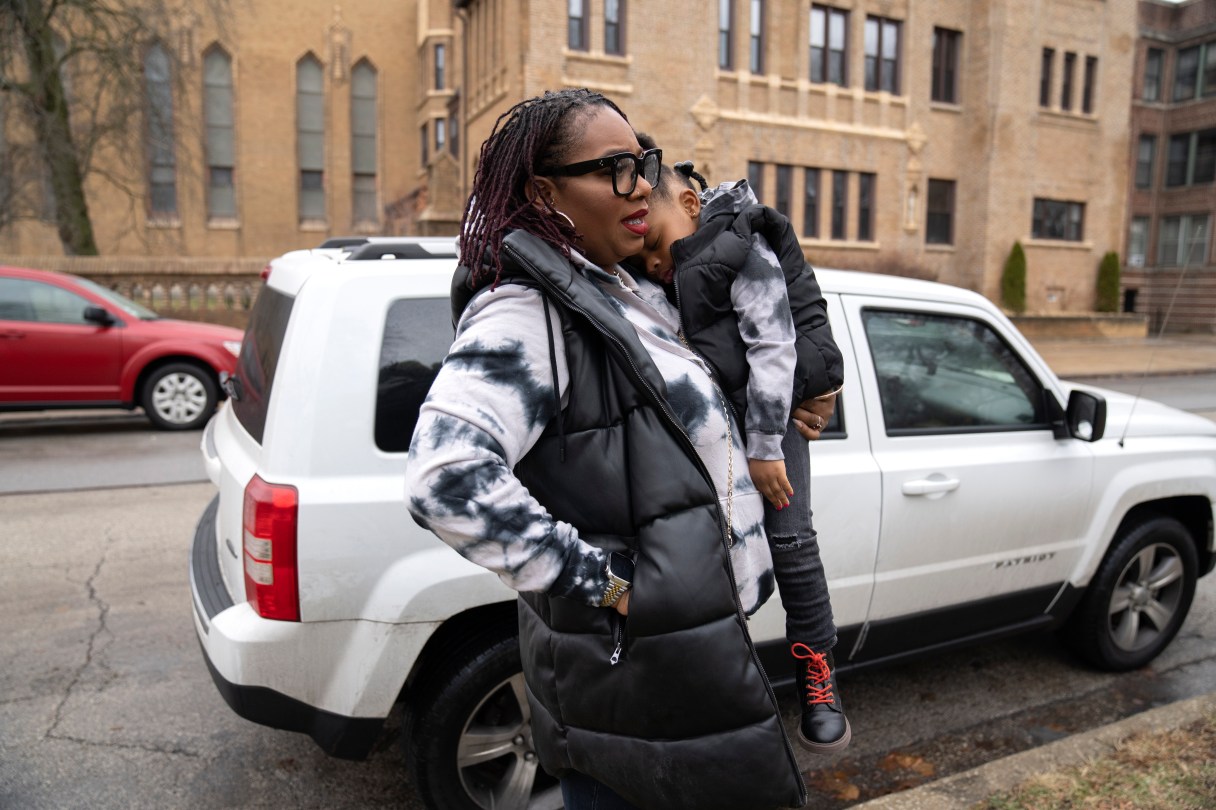
Chicago educator Tamisha Holifield spends time with her 2-year-old daughter Rian Holifield at Nichols Park, Thursday, Dec. 29, 2022, in the Hyde Park neighborhood of Chicago. When Holifield and her daughter had COVID-19 in May, the toddler had to miss 15 days of child care. Bouts of colds have followed in what Holifield described as a "constant whirlwind" of sickness that has been stressful both financially and emotionally. "It's a major inconvenience. But I'm a single parent, so I don't have a choice. If I drop the ball, the game is over," Holifield said. (AP Photo/Erin Hooley)


Forty-seven. That’s how many days of child care Kathryn Anne Edwards’ 3-year-old son has missed in the past year.

RSV, COVID-19 and two bouts of the dreaded preschool scourge of hand, foot and mouth disease struck one after another. The illnesses were so disruptive that the labor economist quit her full-time job at the Rand Corp., a think tank. She switched last month to independent contract work to give her more flexibility to care for her son and 4-month-old daughter.

In the first and even second year of the COVID-19 pandemic, multi-week quarantines and isolations were common for many Americans, especially children. But nine weeks of missed child care, nearly three years in?

“The rest of the world has moved on from the crisis that I’m still in,” said Edwards, who studies women’s issues. “That’s sometimes how it feels like to me.”