
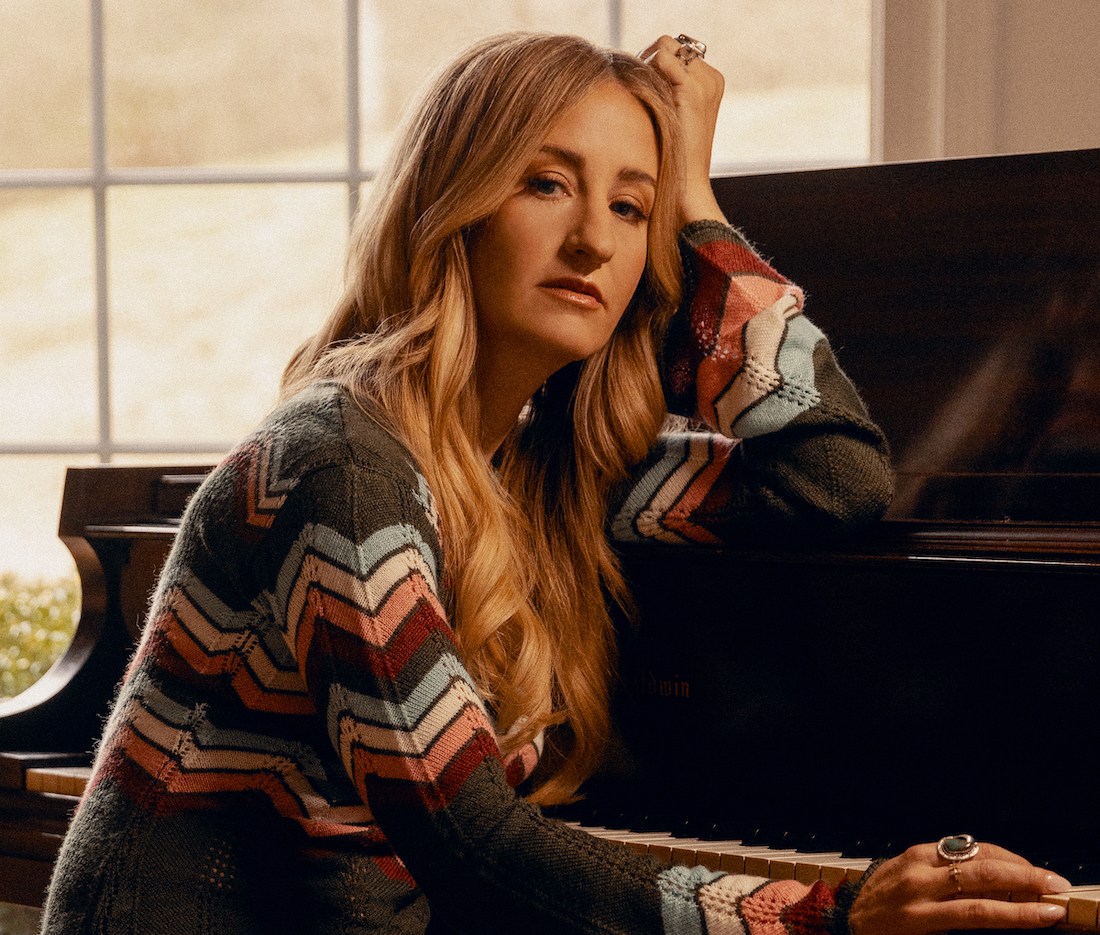
“MAYBE WE’LL MAKE IT: A MEMOIR” by Margo Price (University of Texas Press, 256 pages, $28).
In “Maybe We’ll Make It,” Margo Price delivers an unflinching self-portrait of an artist striving to find her sound and make her Music City dreams come true.
Price moved to Nashville from Illinois in 2003, when she was 20 years old. Back then, in those pregentrified days, the city was grittier yet still a musician’s paradise. If you’re familiar with Price’s career arc, you’ll know she didn’t come into mainstream success until her 2016 record, “Midwest Farmer’s Daughter.” The meat of “Maybe We’ll Make It” takes place between 2003 and 2015, when she goes through an episodic series of struggles and transformative experiences that turn into memorable songs and hard lessons learned.
“Just Kids,” Patti Smith’s memoir about being a young artist in Greenwich Village, is the most apt comparison to “Maybe We’ll Make It.” Price sees Nashville through the eyes of a romantic. She is on the nose — in a charming way — when she writes about the Nashville neighborhood of Hillsboro Village, once an enclave for artists, hippies and eclectic souls: “We loved Hillsboro Village because it felt like our own little slice of what I imagined Greenwich Village was like.” She name-checks establishments like Boscos and Bookman/Bookwoman, beloved sites that have since shuttered. Just as Smith’s version of the Village is gone, Price’s Nashville is a thing of the past. Yet she breathes life into this ghost, and throughout the book the city feels like a vivid, exciting place to come of age.
Early on, she meets Jeremy Ivey, now her husband and “one true love.” They are both scrappy, DIY musicians trying to make rent. Living in one rundown house after another, they convert spare rooms into recording studios. Once a day of shift work is over, picking parties and rowdy nights at dive bars begin. She spends hours in basement studios with her friends, “swapping our songs, learning covers, harmonizing” and making records with Ivey. They grow together as musicians and partners: “We were both beginning to sound more like ourselves — whoever that was, whoever they were.”