
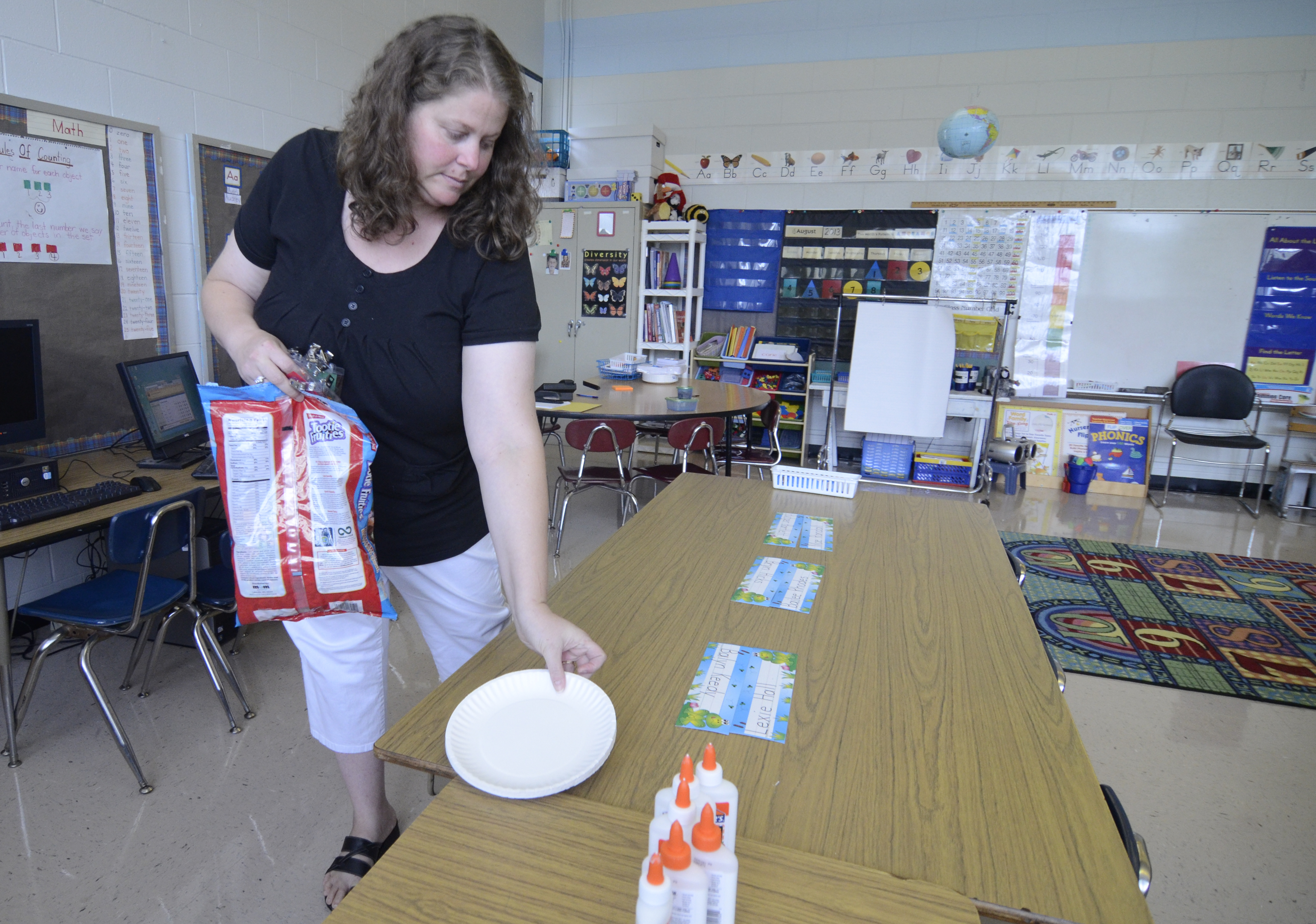
 Kindergarten teacher Melissa Keylon works Monday in her classroom after class is dismissed at Ganns Middle Valley Elementary School.
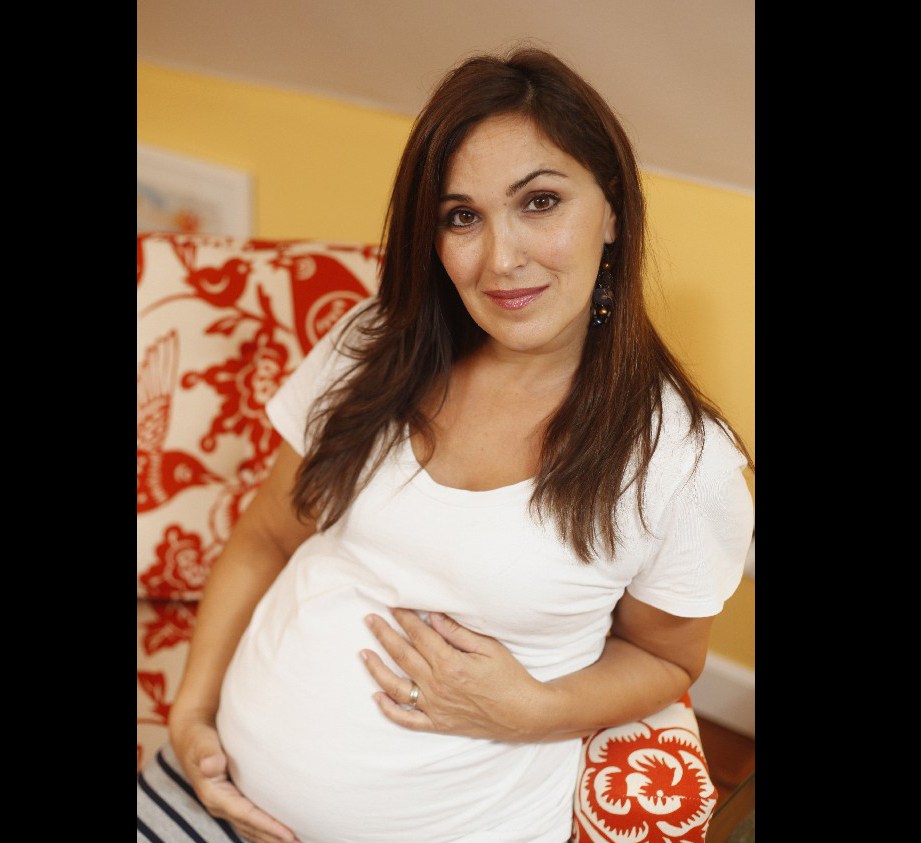
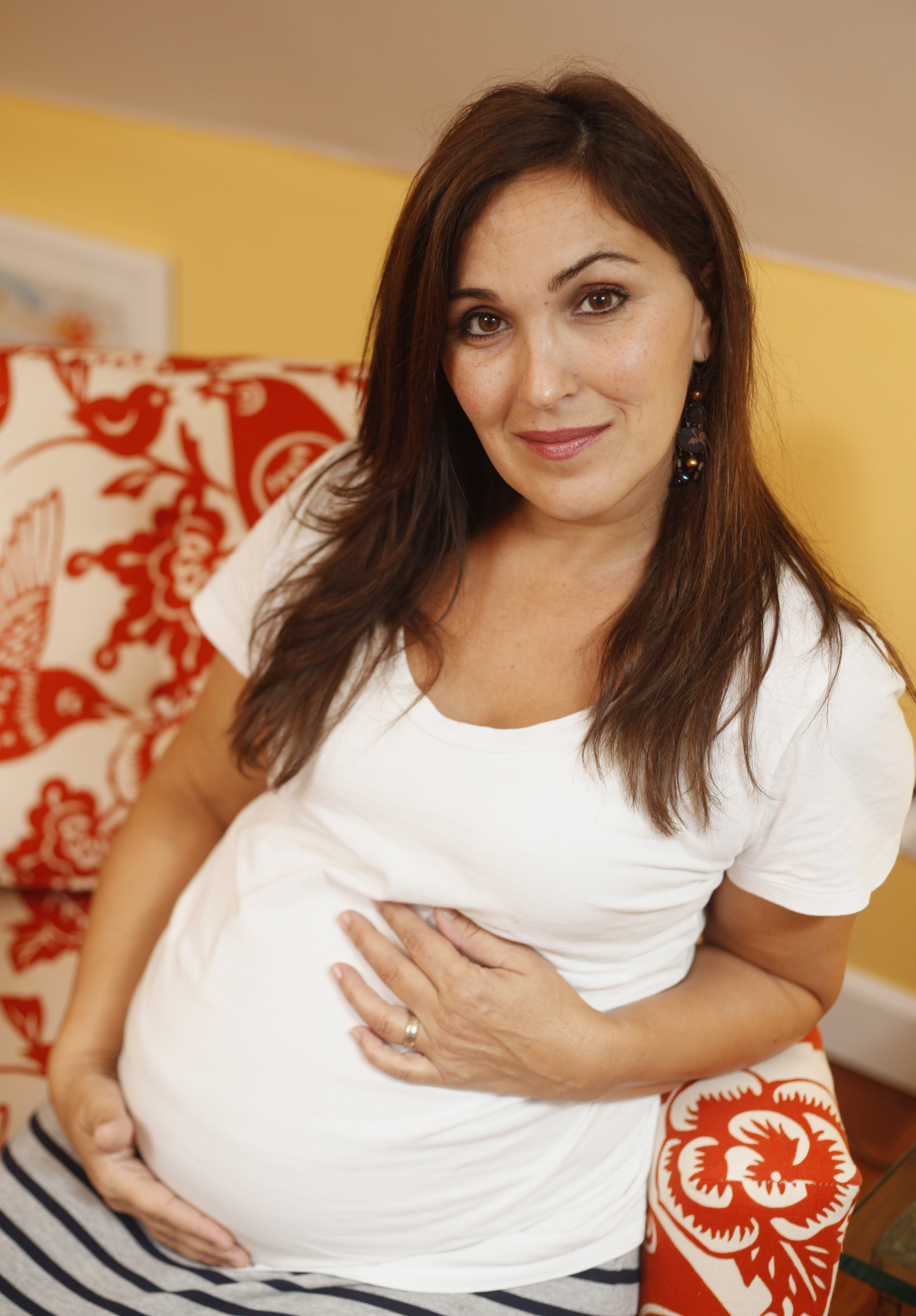 Misty Heinsman, who is 46 and pregnant with twin boys, sits in her home Monday in Chattanooga. Misty also has an adult son and daughter and a 9-year old daughter.
Keys to successThe chances of giving birth to a healthy baby after using in vitro fertilization [IVF] depend on various factors, including:* Maternal age. The younger you are, the more likely you are to get pregnant and give birth to a healthy baby using your own eggs during IVF. Women age 41 and older are often counseled to consider using donor eggs during IVF to increase the chances of success.* Embryo status. Transfer of embryos which are more developed is associated with higher pregnancy rates compared with less developed embryos (day two or three). However, not all embryos survive the development process. Talk with your doctor or other care provider about your specific situation.* Reproductive history. Women who’ve previously given birth are more likely to be able to get pregnant using IVF than are women who’ve never given birth. Success rates are lower for women who’ve previously used IVF multiple times but didn’t get pregnant.* Cause of infertility. Having a normal supply of eggs increases your chances of being able to get pregnant using IVF. Women who have endometriosis are less likely to be able to get pregnant using IVF than are women who have unexplained infertility.* Lifestyle factors. Women who smoke typically have fewer eggs retrieved during IVF and may miscarry more often. Smoking can lower a woman’s chance of success using IVF by 50 percent. Obesity can decrease your chances of getting pregnant and having a baby. Use of alcohol, recreational drugs, excessive caffeine and certain medications also can be harmful.Source: mayoclinic.com
Melissa Keylon was in her 20s when she made a decision not to have children.
“I had always wanted kids, but when my mother passed away in 1999, I just lost that feeling. I don’t know why — maybe depression or thinking there was no way I could do it without my mother. After a while I just got used to saying I didn’t want kids,” says Keylon, 42, a kindergarten teacher in Chattanooga.
But things changed about five years ago when one of her students accidentally called her “Mommy.”
“The little ones do this quite often,” she says. “It always made me smile when this happened, but this time it really tugged at my heart. It finally hit that the only time I would ever be called ‘Mommy’ would be by accident.”