
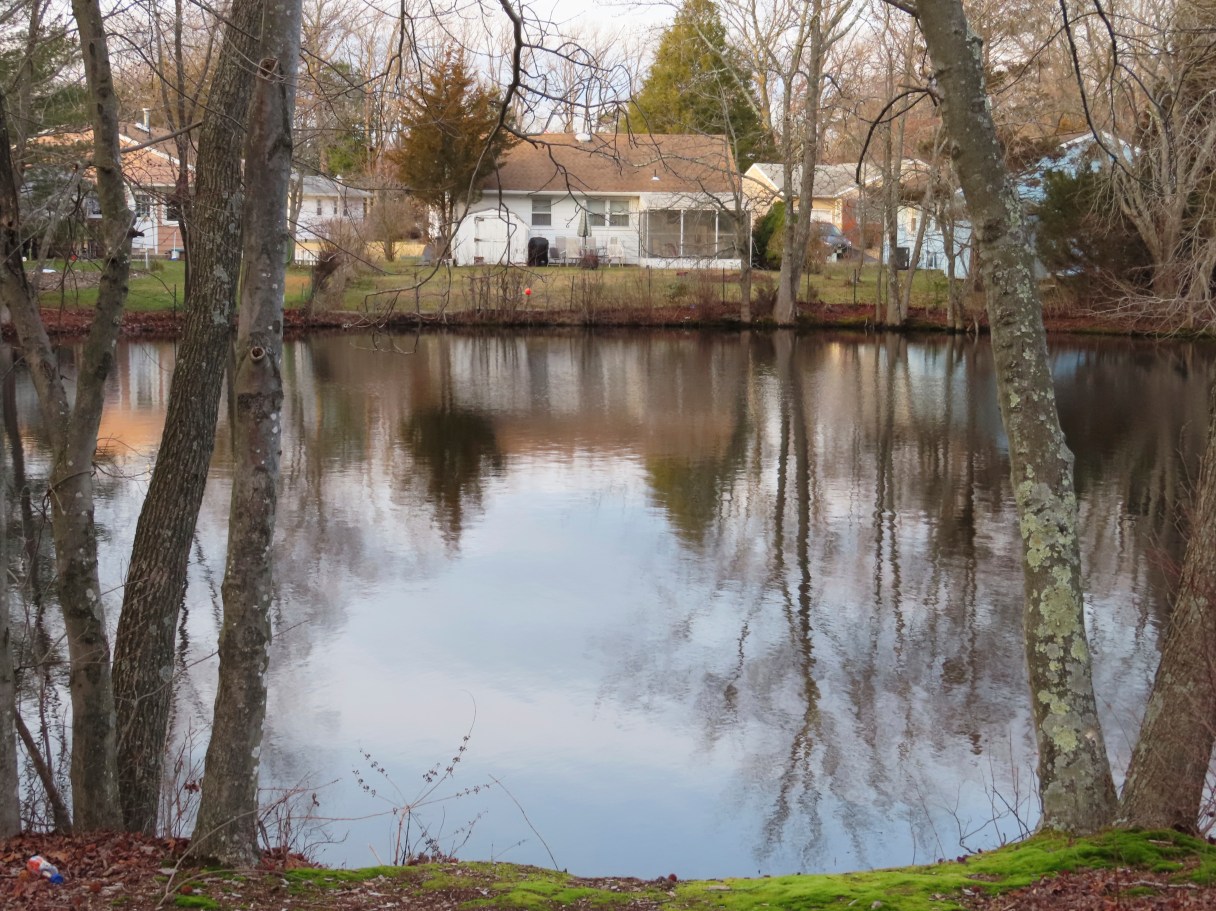
TOMS RIVER, N.J. (AP) — In hindsight, it’s clear that something was very wrong in this suburban town at the Jersey Shore, where many people worked at or lived near a chemical company that was flushing toxic waste into waterways and burying it in the ground.
Men would come home from the plant, which made dyes and resins, and their perspiration would be the color of the dye with which they worked.
Children swam in the local river, coming up for air in the midst of milky white froth that floated on the water’s surface. There seemed to be fewer fish than would be expected; some that were there appeared to be transparent, and others had sores.
And children were being diagnosed with cancer at higher-than-normal rates.
It wouldn’t be until many years later that the truth would come out: Ciba-Geigy Chemical Corp., the town’s largest employer, had been flushing chemicals into the Toms River and the Atlantic Ocean, and burying 47,000 drums of toxic waste in the ground. This created a plume of polluted water that has spread beyond the site into residential neighborhoods. It made the area one of America’s most notorious Superfund sites, joining the list of the most seriously polluted areas in need of federally supervised cleanup.