
Saturday, November 14, 2026Nov 14

Why a new Alzheimer’s drug is having a slow US debut

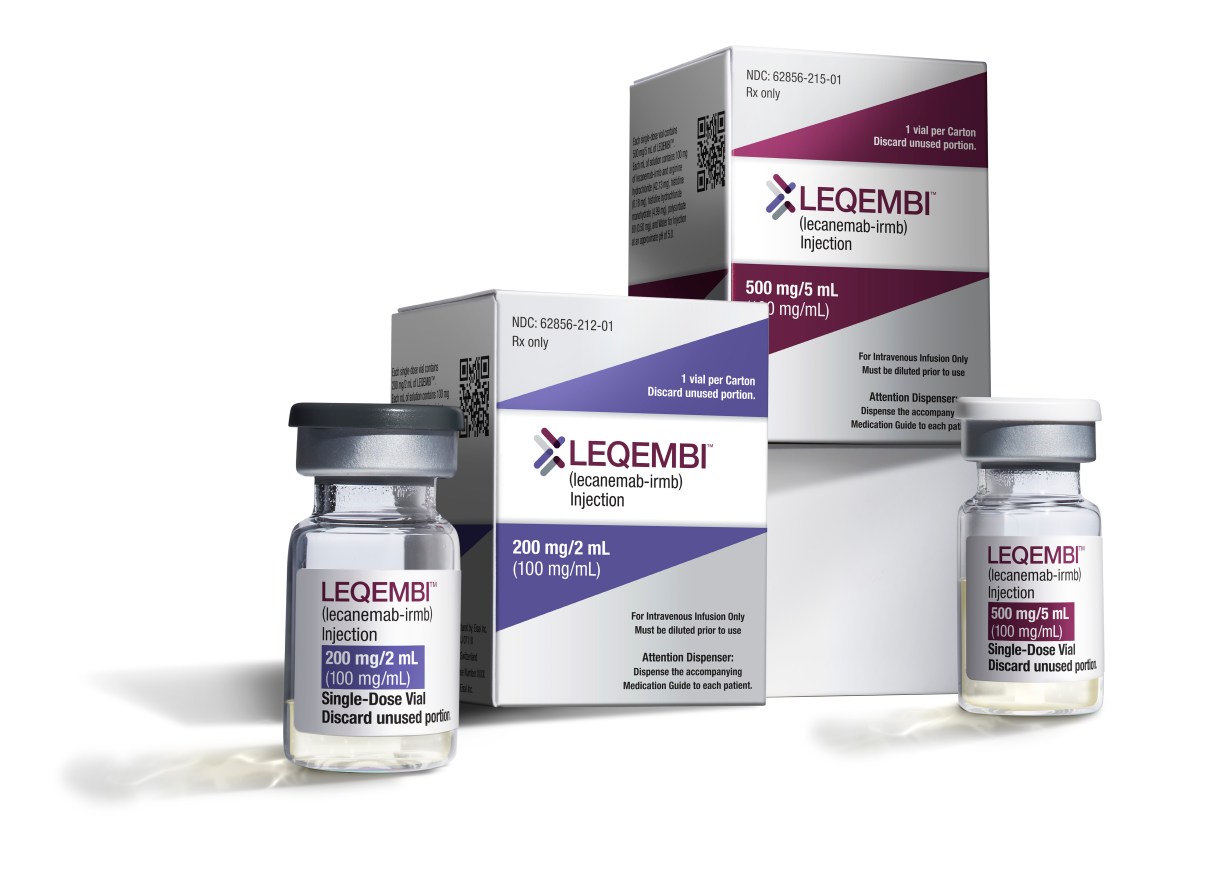
FILE - This Dec. 21, 2022, image provided by Eisai in January 2023 shows vials and packaging for their medication Leqembi. Leqembi, the first drug to show that it slows Alzheimer’s, was approved by the U.S. Food and Drug Administration in early January 2023, but treatment for most patients is still several months away. Two big factors behind the slow debut, according to experts, are scant insurance coverage and a long setup time needed by many health systems. (Eisai via AP, File)

The first drug to show that it slows Alzheimer’s is on sale, but treatment for most patients is still several months away.

Two big factors behind the slow debut, experts say, are scant insurance coverage and a long setup time needed by many health systems.

Patients who surmount those challenges will step to the head of the line for a drug that delivers an uncertain benefit. Here’s a closer look.

THE SITUATION

The U.S. Food and Drug Administration approved Leqembi, from Japanese drugmaker Eisai, in early January. It’s for patients with mild or early cases of dementia tied to Alzheimer’s disease.