
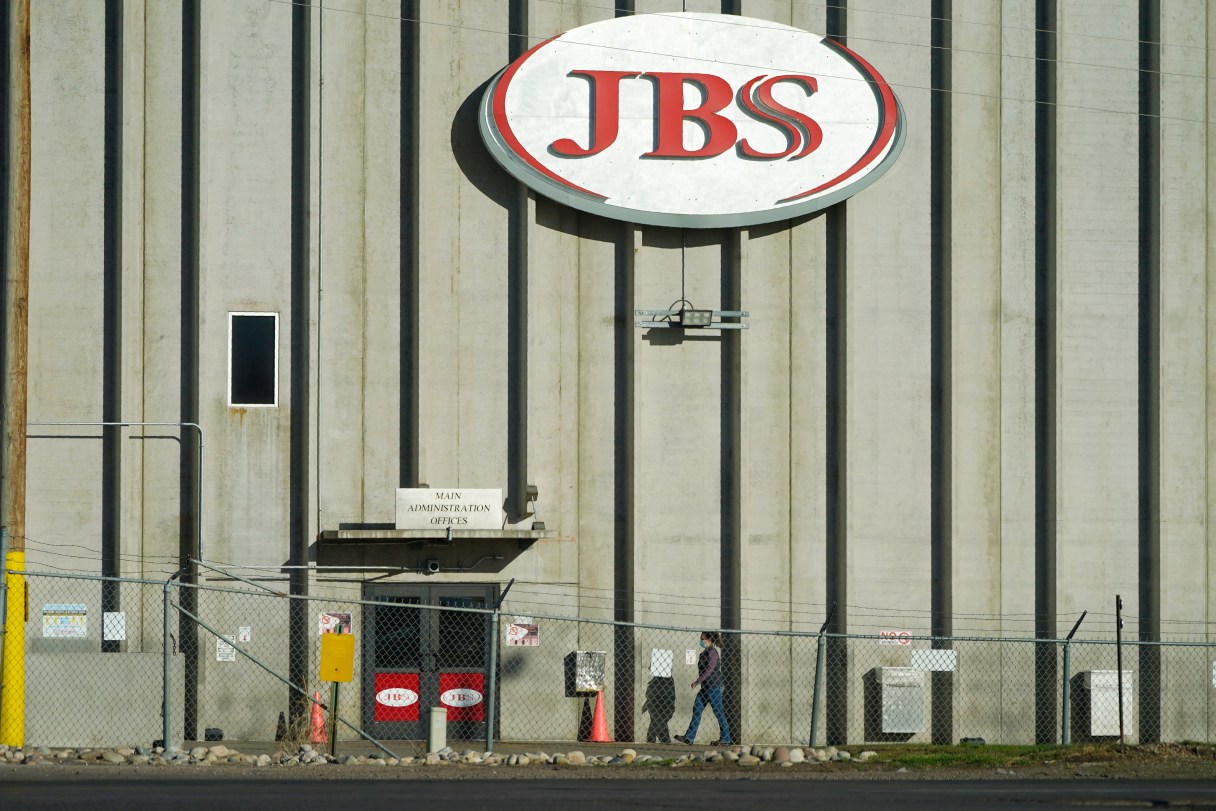
Have we time-traveled back a century when child labor was wildly prevalent? That’s what I first thought when I heard that a food sanitation company was being sued for illegally employing more than 100 children ages 13 to 17. The teens cleaned razor-sharp saws with caustic chemicals while working overnight shifts at 13 meat processing facilities in eight states, including Arkansas, Colorado, Indiana, Minnesota, Nebraska, Tennessee and Texas.
Unfortunately, we’re seeing a global resurgence in this repugnant practice. Between 2017 and 2021, there was an increase of 8.4 million children working globally and an increase of 6.5 million children engaged in hazardous work. COVID made matters worse with impoverished families forced to put their children into often dangerous work environments. The U.S. is not immune to these trends.
Understand that there have always been exceptions to child labor laws, and a lower minimum wage for children. Unsurprisingly, the Association of Farmworker Opportunity programs reports that the U.S. has about 500,000 child farmworkers, many of whom are migrants who started working at age 8. This isn’t illegal despite a Government Accountability Office report suggesting that 100,000 child farmworkers are injured on the job every year and that children account for 20% of farming fatalities.
Many American companies are now exploiting loopholes in child labor laws, sometimes skirting the law altogether. Last year, the Labor Department sued a Hyundai supplier for employing workers as young as 12. The food sanitation company mentioned above was fined the maximum civil penalty allowed by U.S. federal law, $15,138 for each minor-aged employee, for $1.5 million. Getting sued is increasingly common, but that doesn’t seem to be motivating best practices toward child labor. Some fast-food employers violate child labor limits that are aimed at protecting children’s health and education.
What’s going on here? The Washington Post reports that “In a tight labor market, some states look to another type of worker: Children. Bills advancing in the Iowa and Minnesota state legislatures would roll back child workplace protections to address worker shortages.”