
Sunday, November 15, 2026Nov 15

States seek ways to curb deadly highway wrong-way crashes

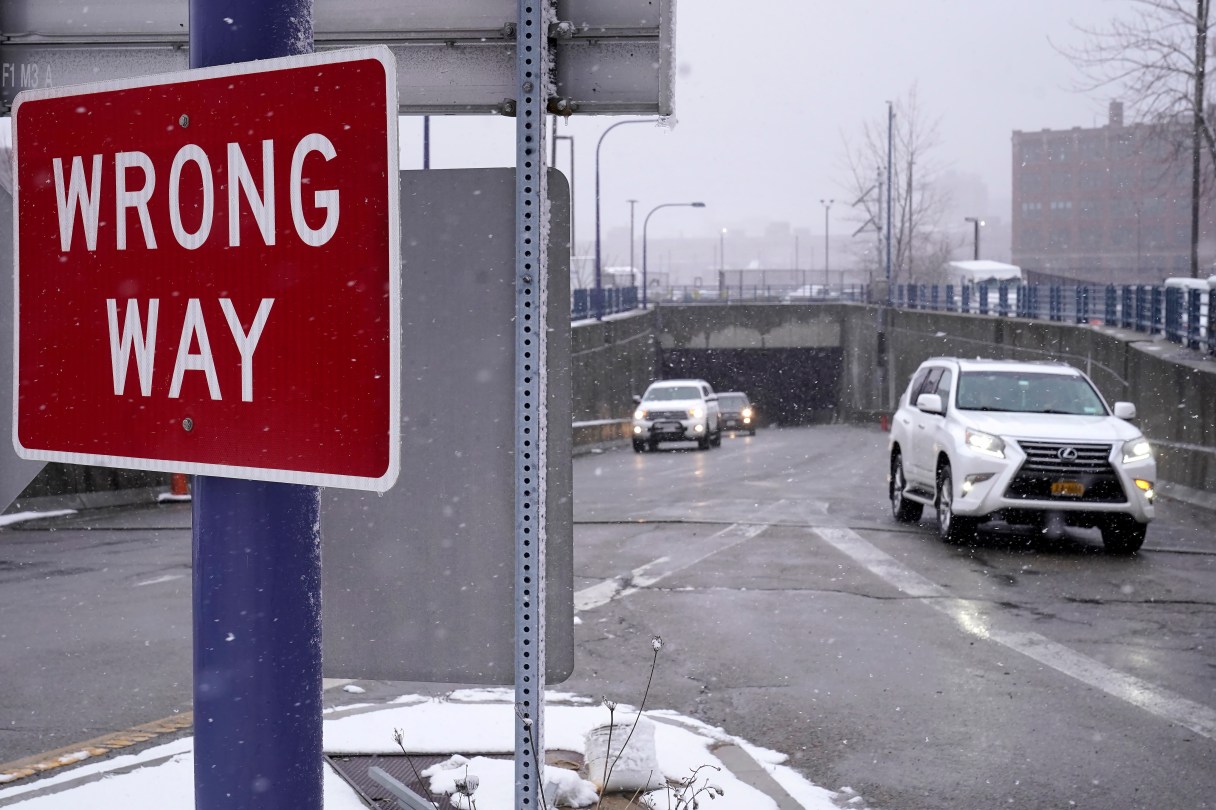
A "Wrong "Way" sign warns drivers from entering westbound on an eastbound exit ramp from the Massachusetts Turnpike, Route I-90, in Boston, Thursday, Feb. 23, 2023. Massachusetts transportation officials have launched a new program designed to curb the number of wrong-way driving deaths in the state. The $2.6 million pilot program project set up in November 2022, consists of installing wrong-way vehicle detection systems at highway ramps across the state. Each year in the United States, wrong-way crashes result in 300 to 400 deaths. (AP Photo/Steven Senne)

BOSTON (AP) — As Connecticut state Rep. Quentin Williams was driving home from the governor’s inauguration ball last month, he was struck head-on by a driver who had entered the highway using a ramp going in the wrong direction, killing both Williams and the driver.

Williams’ death threw a spotlight on a kind of car accident that is particularly deadly: wrong-way crashes. Each year in the United States, they result in 400 to 500 deaths according to federal highway administrators.

“He was the life of every party. He had an infectious happiness about him. He knew everybody and if he didn’t, he would find a way to know them,” said state Sen. Matthew Lesser, a fellow Democrat who described Williams as one of his closest friends. “He was a rising star in the Legislature with an incredible future in front of him and the next minute he was taken away from us.”

Connecticut is seeking to join a growing number of states, including Massachusetts, trying to curb the frequency of deadly wrong-way highway collisions by turning to new crash prevention technologies.

A $2.6 million pilot program in Massachusetts seeks to discourage wayward drivers by installing wrong-way vehicle detection systems at highway ramps.