
Saturday, November 14, 2026Nov 14

Here’s how an AI tool may flag parents with disabilities

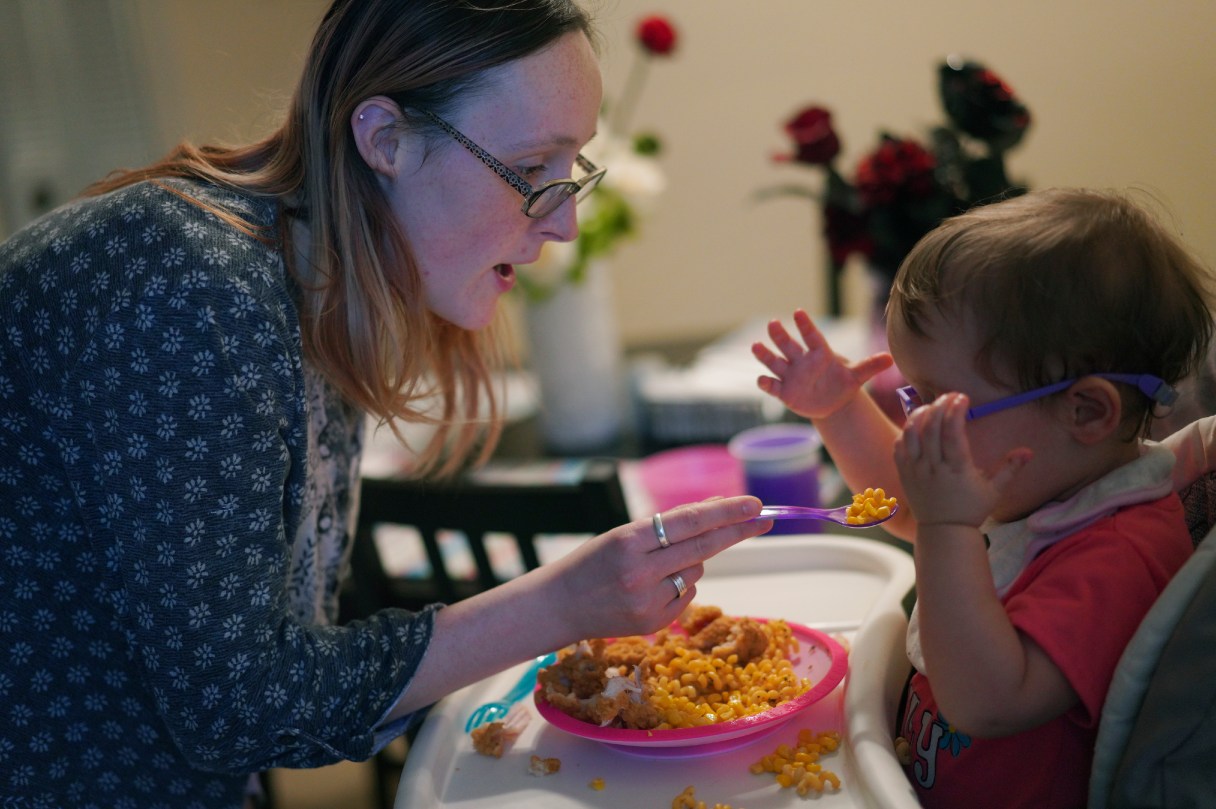
Lauren Hackney feeds her 1-year-old daughter chicken and macaroni during a supervised visit at their apartment in Oakdale, Pa., on Thursday, Nov. 17, 2022. Lauren and her husband, Andrew, wonder if their daughter’s own disability may have been misunderstood in the child welfare system. The girl was recently diagnosed with a disorder that can make it challenging for her to process her sense of taste, which they now believe likely contributed to her eating issues all along. (AP Photo/Jessie Wardarski)


PITTSBURGH (AP) — For the two weeks that the Hackneys’ baby girl lay in a Pittsburgh hospital bed weak from dehydration, her parents rarely left her side, sometimes sleeping on the fold-out sofa in the room.

They stayed with their daughter around the clock when she was moved to a rehab center to regain her strength. Finally, the 8-month-old stopped batting away her bottles and started putting on weight again.

“She was doing well and we started to ask when can she go home,” Lauren Hackney said. “And then from that moment on, at the time, they completely stonewalled us and never said anything.”

The couple was stunned when child welfare officials showed up, told them they were negligent and took their daughter away.