
Thursday, October 29, 2026Oct 29

This story is free to read.

Kentucky bourbon makers go green and more business news

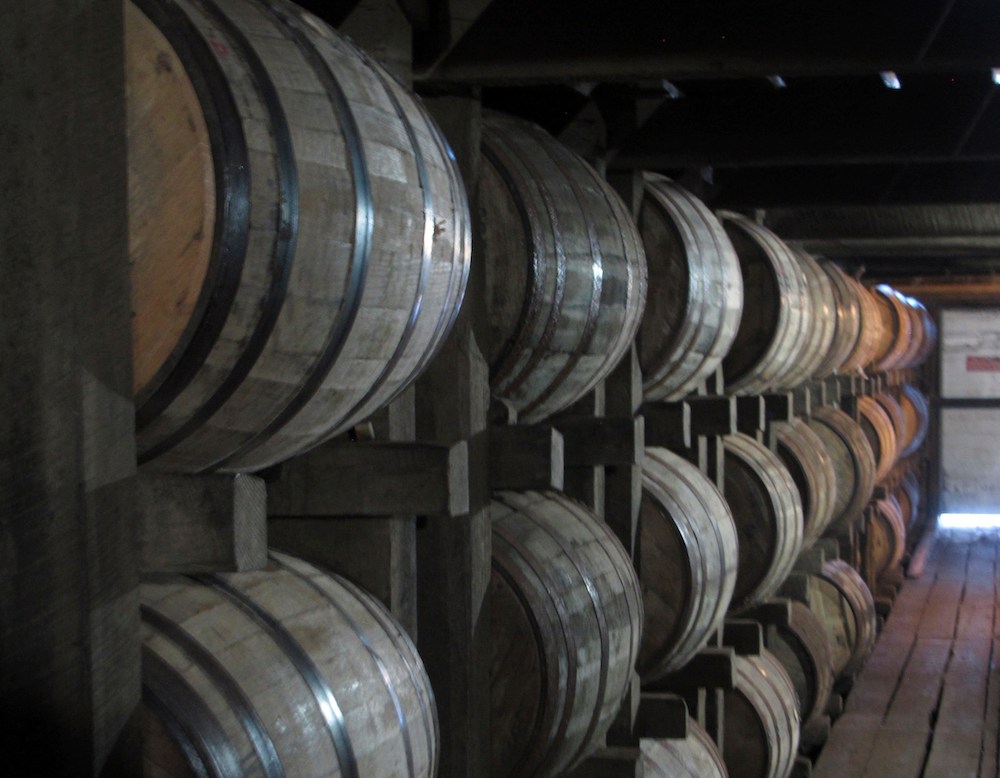
In this July 24, 2014 file photo, bourbon supplies age in barrels at the Jim Beam distillery in Clermont, Ky. The process of making fine whiskey involves aging spirits to a golden brown, but a bourbon producing giant is going green along the way. Beam Suntory, producer of top-selling Jim Beam and Maker's Mark, both crafted in Kentucky, said Wednesday, April 21, 2021, it wants to cut its companywide greenhouse gas emissions and water usage in half by 2030. (AP Photo/Bruce Schreiner)
In this July 24, 2014 file photo, bourbon supplies age in barrels at the Jim Beam distillery in Clermont, Ky. The process of making fine whiskey involves aging spirits to a golden brown, but a bourbon producing giant is going green along the way. Beam Suntory, producer of top-selling Jim Beam and Maker's Mark, both crafted in Kentucky, said Wednesday, April 21, 2021, it wants to cut its companywide greenhouse gas emissions and water usage in half by 2030. (AP Photo/Bruce Schreiner) In this July 24, 2014 file photo, bourbon supplies age in barrels at the Jim Beam distillery in Clermont, Ky. The process of making fine whiskey involves aging spirits to a golden brown, but a bourbon producing giant is going green along the way. Beam Suntory, producer of top-selling Jim Beam and Maker's Mark, both crafted in Kentucky, said Wednesday, April 21, 2021, it wants to cut its companywide greenhouse gas emissions and water usage in half by 2030. (AP Photo/Bruce Schreiner)

Kentucky bourbon makers go green

The process of making fine whiskey involves aging spirits to a golden brown, but a bourbon producing giant is going green along the way.

Beam Suntory, producer of top-selling Jim Beam and Maker’s Mark, both crafted in Kentucky, said Wednesday it wants to cut its companywide greenhouse gas emissions and water usage in half by 2030. The company’s more ambitious goal is to remove more carbon than is emitted from its operations and among its supplier base by 2040.

The spirits giant also is committed to planting 500,000 trees annually by 2030, with a goal of planting more trees than are harvested to make barrels to hold its aging whiskeys. Bourbon ages for years in charred new oak barrels, where it acquires its color and flavor.

The sustainability campaign will span every facet of production – from “seed to sip,” it said.