
TOK, Alaska (AP) — Alaska’s rugged and frigid interior, where it can get as cold as minus 50 Fahrenheit (minus 46 Celsius), is not the place you’d expect to find an electric school bus.
But here is Bus No. 50, with a cartoon horse decal on its side, quietly traversing about 40 miles of snowy and icy roads each day in Tok, shuttling students to school not far from the Canadian border.
It works OK on the daily route. But cold temperatures rob electric vehicle batteries of traveling range, so No. 50 can’t go on longer field trips, or to Anchorage or Fairbanks.
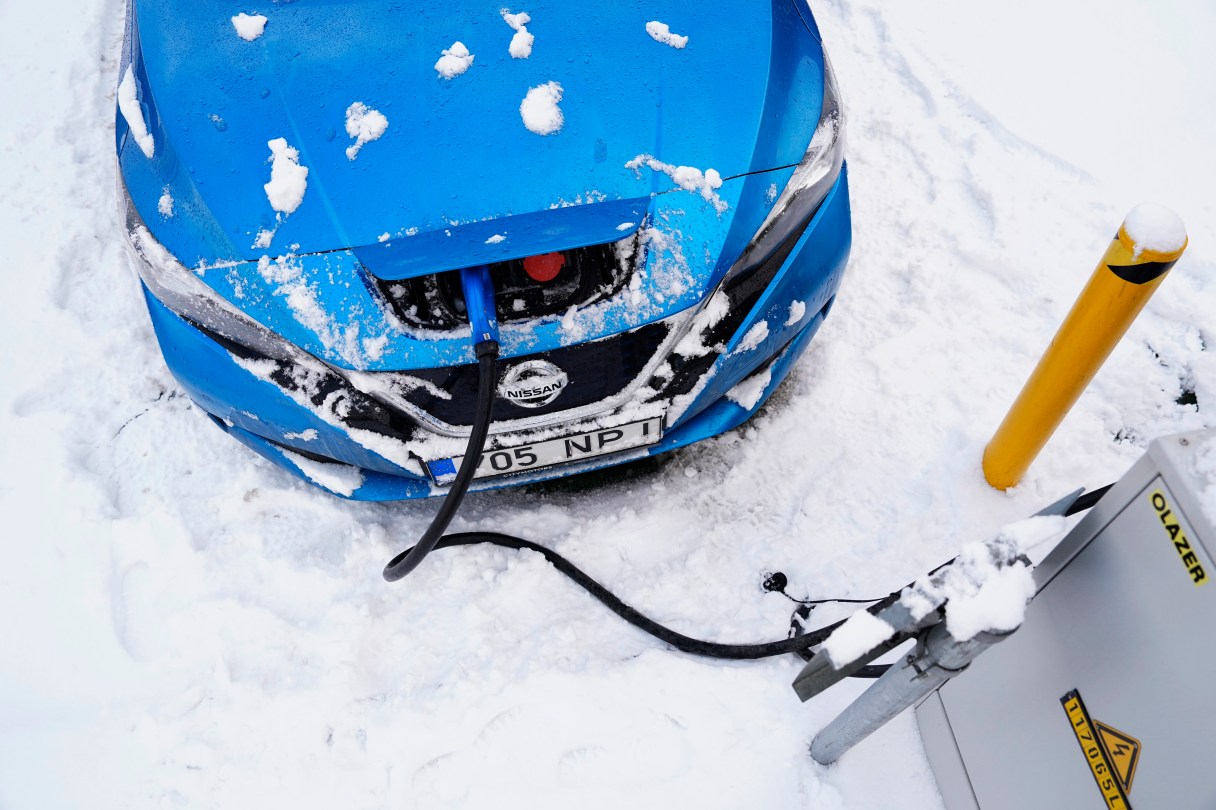
It’s a problem that some owners of electric passenger vehicles and transit officials are finding in cold climates worldwide. At 20 degrees F (minus 7 C), electric vehicles just don’t go as far as they do at the ideal 70 degrees. Part of it is that keeping passengers warm using traditional technology drains the battery.
So longer trips can be difficult in the coldest weather. Transit authorities like Chicago’s, which has pledged to convert its whole bus fleet to electricity by 2040, have to take extraordinary steps to keep electric buses charged and on schedule.