
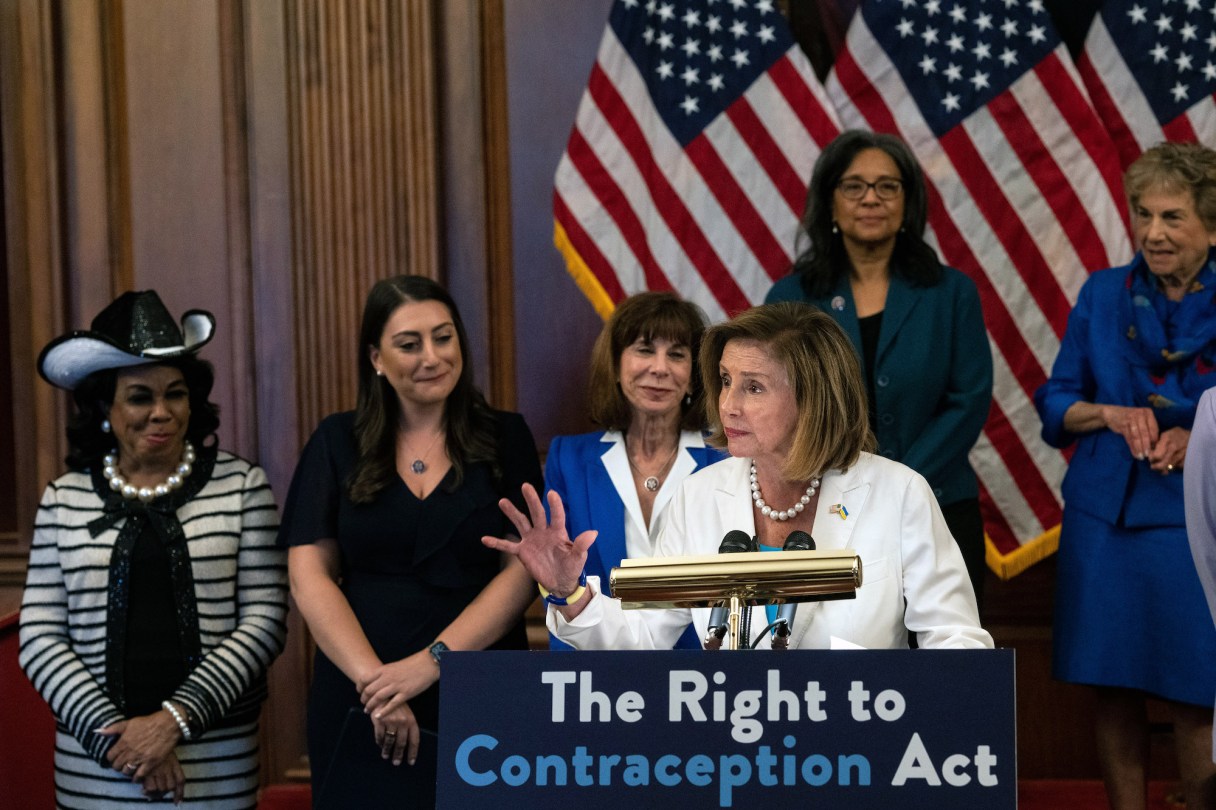
Mark my words: Contraception is the next front in the war on women. And we can’t say we haven’t been warned.
In 2010, when the Affordable Care Act — Obamacare — was close to passing, Republicans argued strenuously against requiring companies to provide contraception as a health care benefit. Many argued that all forms of female contraception are tantamount to abortion.
In 2014, the Supreme Court weighed in, elevating the personal religious beliefs of employers above the health care rights of women when it ruled 5 to 4 in the Hobby Lobby case that privately held, for-profit companies could deny birth control coverage to their employees.
Last year, an even more right-wing Supreme Court upended American politics when it tossed out half a century of precedent and obliterated the federal right to abortion. In a concurring opinion in the Dobbs case, Justice Clarence Thomas wrote that since the court had found no constitutional right to abortion, perhaps it should reconsider other similar precedents “including Griswold,” the 1965 decision that legalized contraception in the United States.
And then last week, a federal judge in Texas declared that mifepristone, the safe and hugely popular medication used by more than half of the women in this country who choose to end early-stage pregnancies, should be off-limits because the Food and Drug Administration had wrongly approved it 20 years ago. On the same day, a federal judge in Washington state ruled just the opposite — that the FDA must keep medication abortion drugs available.