
Monday, November 16, 2026Nov 16

US study finds 1 in 10 get long COVID after omicron, starts identifying key symptoms

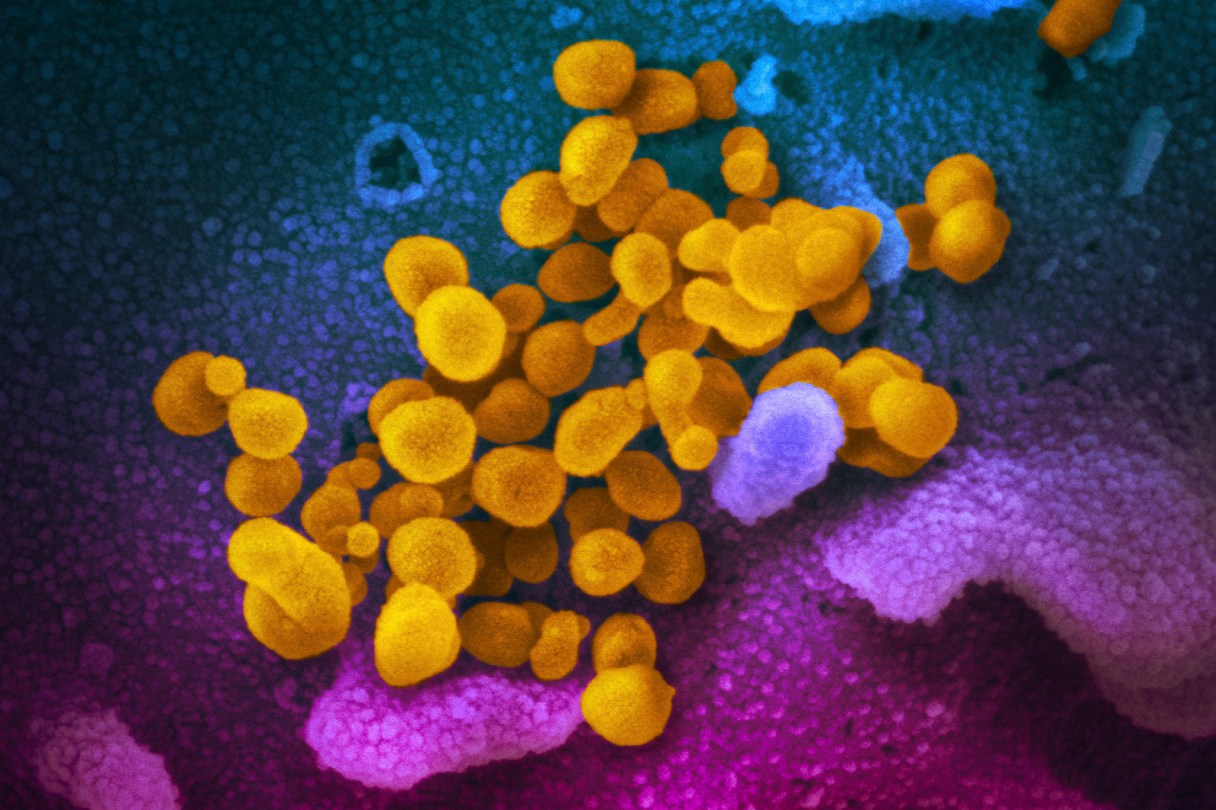
FILE - This undated, colorized electron microscope image made available by the U.S. National Institutes of Health in February 2020 shows the Novel Coronavirus SARS-CoV-2, indicated in yellow, emerging from the surface of cells, indicated in blue/pink, cultured in a laboratory. The sample was isolated from a patient in the U.S. There’s less risk of getting long COVID in the omicron era than in the pandemic’s earlier waves, according to a study of nearly 10,000 Americans that aims to help scientists better understand the mysterious condition, published in JAMA on Thursday, May 25, 2023. (NIAID-RML via AP, File)

WASHINGTON (AP) — About 10% of people appear to suffer long COVID after an omicron infection, a lower estimate than earlier in the pandemic, according to a study of nearly 10,000 Americans that aims to help unravel the mysterious condition.

Early findings from the National Institutes of Health’s study highlight a dozen symptoms that most distinguish long COVID, the catchall term for the sometimes debilitating health problems that can last for months or years after even a mild case of COVID-19.

Millions worldwide have had long COVID, with dozens of widely varying symptoms including fatigue and brain fog. Scientists still don’t know what causes it, why it only strikes some people, how to treat it -– or even how to best diagnose it. Better defining the condition is key for research to get those answers.

“Sometimes I hear people say, ‘Oh, everybody’s a little tired,'” said Dr. Leora Horwitz of NYU Langone Health, one of the study authors. “No, there’s something different about people who have long COVID and that’s important to know.”

The new research, published Thursday in the Journal of the American Medical Association, includes more than 8,600 adults who had COVID-19 at different points in the pandemic, comparing them to another 1,100 who hadn’t been infected.