
Wednesday, November 18, 2026Nov 18

Strangers pay tribute at burial for Jamaican WWII vet who volunteered in Britain’s hour of need

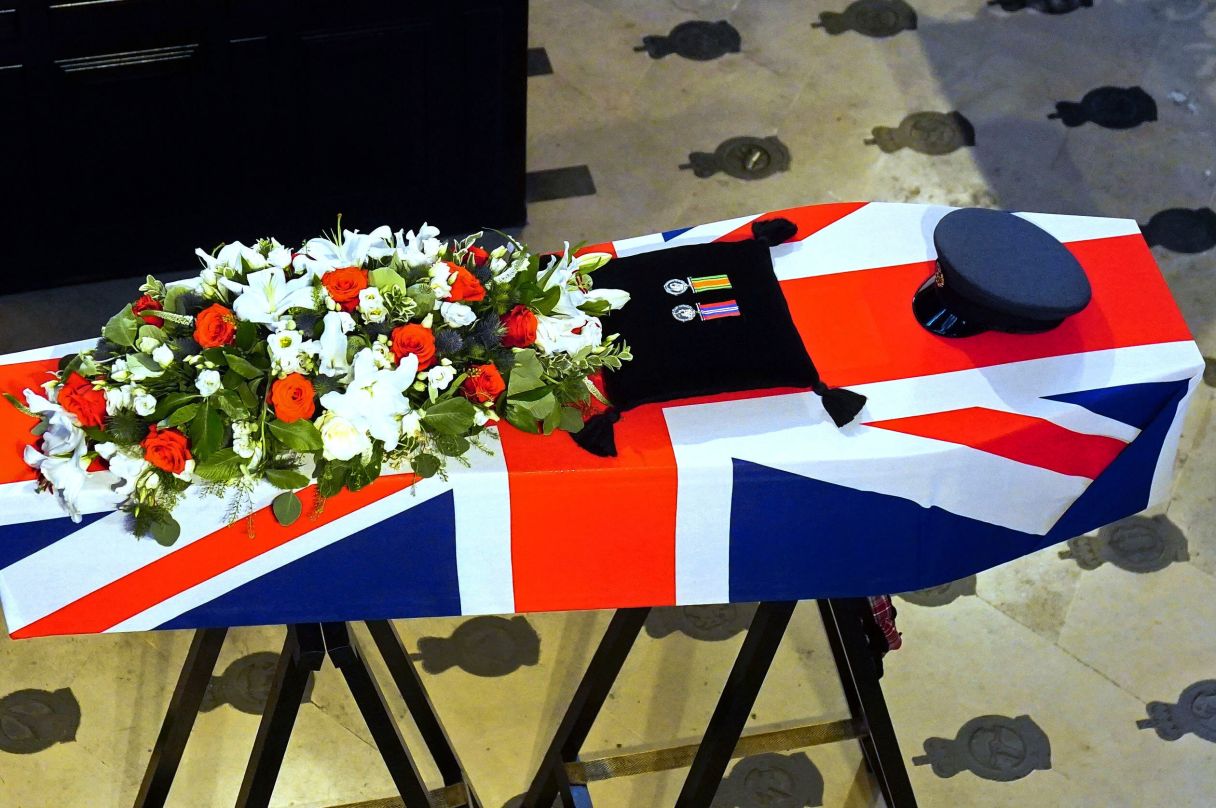
A view of the coffin of former RAF Sergeant Peter Brown adorned with the Union flag and his medals, during his funeral service at St Clement Danes Church, in London, Thursday May 25, 2023. Jamaican born Flight Sgt. Peter Brown who flew bombing missions in World War II after volunteering for the Royal Air Force died in December, aged 96. Volunteers tried to track down family and people who knew him. Word of that search drew interest from others who didn't want him to be forgotten for the service he offered in Britain's darkest hour. (Victoria Jones/PA via AP)

LONDON (AP) — When Peter Brown died alone in London without any known family, neighbors made sure that the humble 96-year-old Jamaican man who had volunteered as a teen to fight for Britain in World War II was not forgotten.

Hundreds of people – mostly strangers — touched by his story answered the call Thursday, and packed St. Clement Danes Church to give the former flight sergeant a proper send-off.

The Rev. Ruth Hake said that when Brown left his Jamaican home at 17 in 1943 there was no promise he’d return home — like millions of others who gave their lives in World War II.

“The willingness that he showed then and the next seven years that he served in the Royal Air Force to put his life on the line on behalf of this nation … is a debt that all of us who who have certainly lived our lives in freedom in this country have to honor,” Hake said. “That is why there are so many people here at the funeral of such a modest and unassuming man.”

Brown was one of about 5,500 men from the Caribbean who volunteered after the RAF dropped its “colour bar” in 1939 and began recruiting in its colonies in what was then known as the British West Indies.