
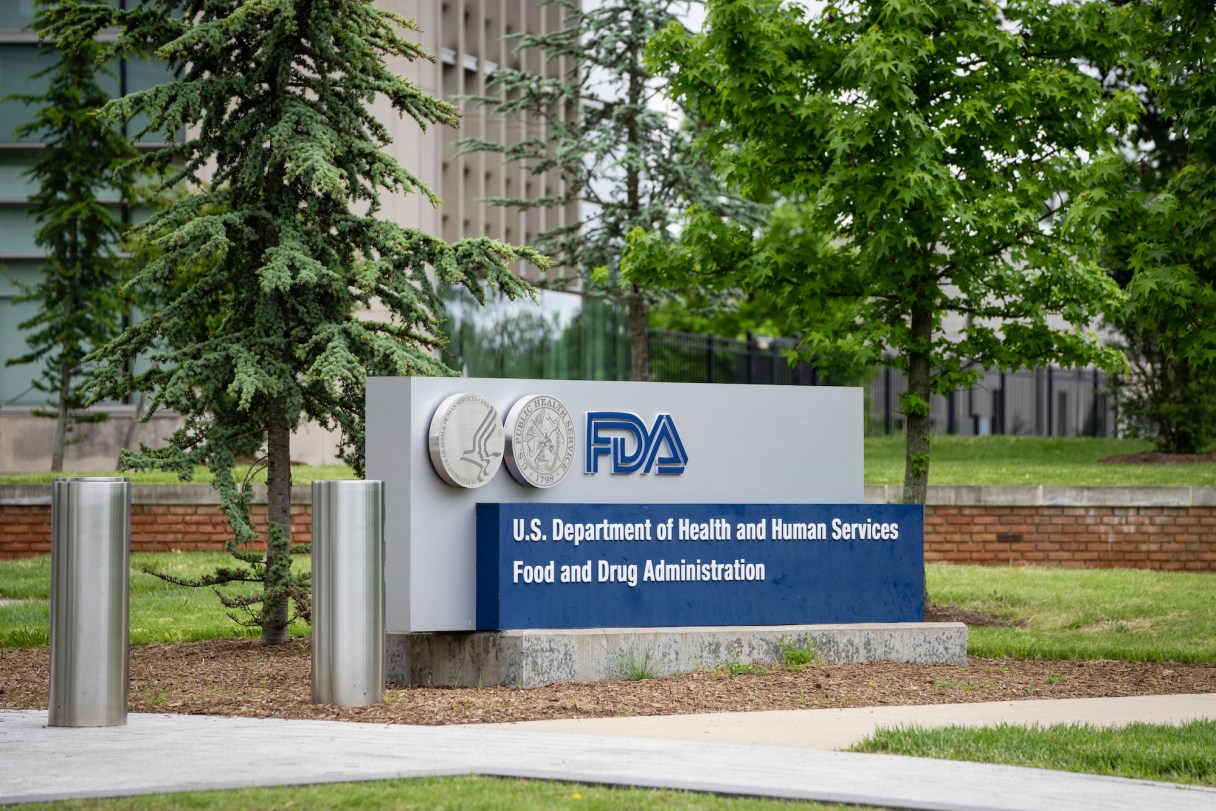
On Wednesday, a panel of independent advisors to the U.S. Food and Drug Administration unanimously voted in favor of approving over-the-counter availability for a birth control pill called Opill. Regulators at the FDA will now have to decide whether to follow their advice. They should.
The barriers to access contraception have long been unacceptably high, particularly for the people most likely to experience unintended pregnancies — teens and young women, people of color and people living in poverty. The stakes have only gotten higher following the Supreme Court’s reversal of Roe v. Wade. Millions of women now have limited or no access to abortion. Meanwhile, the rate of maternal mortality in the U.S. is also disturbingly high, and expected to grow.
The recommendation from the FDA’s panel of advisers came after hearing two days of presentations from the agency and the manufacturer of Opill, Perrigo Co. Perrigo laid out data supporting the switch from prescription to over-the-counter use, the FDA presented several major concerns, and the panel members weighed the evidence in the context of their real-world experience. The big debate was over whether adolescents and women could safely and effectively take it without the guidance of a health care provider.
Much of the debate centered on a few sticking points based on Perrigo’s study of how women in the real world might use an over-the-counter option: whether women could appropriately “de-select” from taking the pill (in other words, would choose not to buy it if they were part of the small group for which it isn’t safe); whether people, and in particular adolescents and anyone with low literacy skills, understand the instructions to take the pill at the same time each day; and whether consumers would follow those instructions close enough to avoid unwanted pregnancies.
The committee spent a lot of time analyzing whether consumers could decide whether the pill was right for them. The discussion also turned to whether teens were capable of correctly using the pills, although a large number of teens already use hormonal birth control, many with only minimal supervision.