
Monday, November 16, 2026Nov 16

AI presents political peril for 2024 with threat to mislead voters

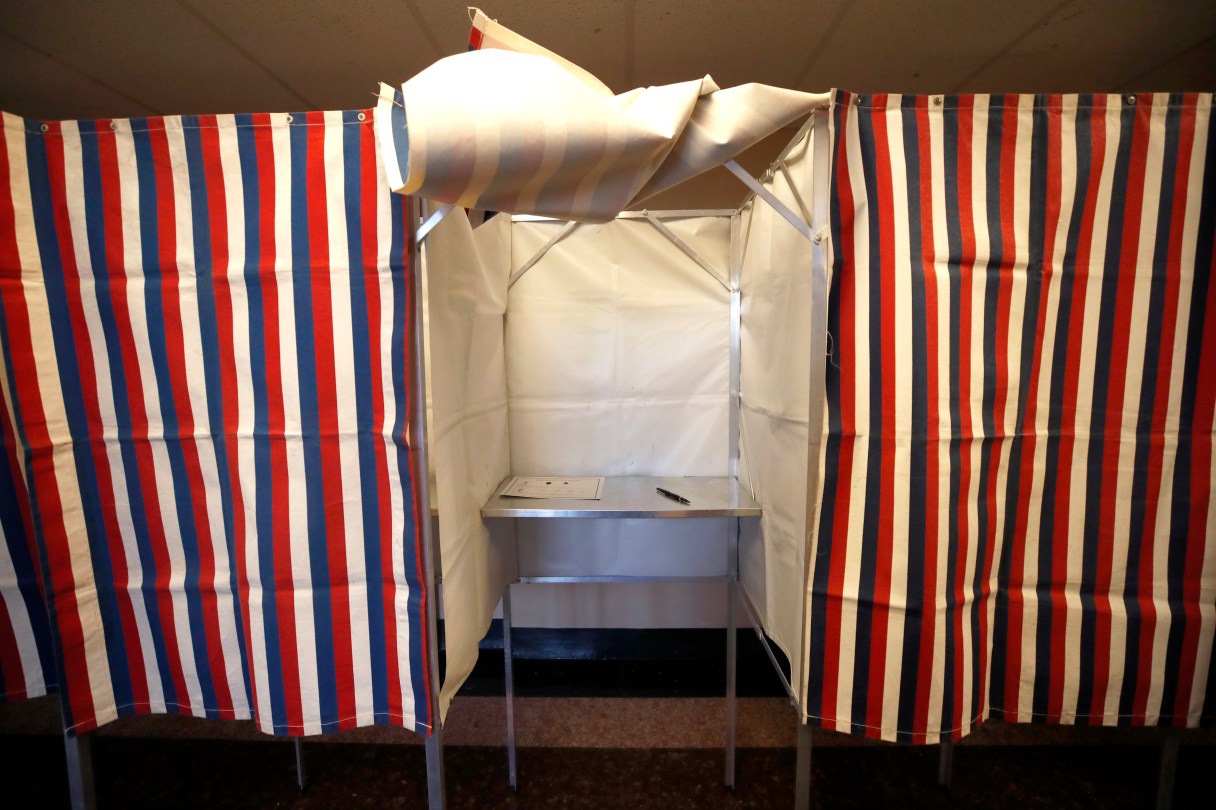
FILE - A booth is ready for a voter, Feb. 24, 2020, at City Hall in Cambridge, Mass., on the first morning of early voting in the state. Thanks to recent advances in artificial intelligence, tools that can create lifelike photos, video and audio are now cheap and readily available. AI experts and political scientists say these new programs will have significant implications for next year's U.S. elections. (AP Photo/Elise Amendola, File)


WASHINGTON (AP) — Computer engineers and tech-inclined political scientists have warned for years that cheap, powerful artificial intelligence tools would soon allow anyone to create fake images, video and audio that was realistic enough to fool voters and perhaps sway an election.

The synthetic images that emerged were often crude, unconvincing and costly to produce, especially when other kinds of misinformation were so inexpensive and easy to spread on social media. The threat posed by AI and so-called deepfakes always seemed a year or two away.

No more.

Sophisticated generative AI tools can now create cloned human voices and hyper-realistic images, videos and audio in seconds, at minimal cost. When strapped to powerful social media algorithms, this fake and digitally created content can spread far and fast and target highly specific audiences, potentially taking campaign dirty tricks to a new low.