
Chattanoogans suffering from allergies, asthma or other respiratory conditions can expect to have stronger symptoms well into the summer as increasingly warmer temperatures prolong an already severe pollen season this year.
Researchers have found “pollen seasons start 20 days earlier, are 10 days longer and feature 21% more pollen than in 1990,” according to a study published in the scientific journal Proceedings of the National Academy of Sciences in 2021.
Chattanoogans could experience respiratory ailments such as itching eyes, sneezing and congestion for longer periods of time than they are accustomed to from previous years.
(READ MORE: Chattanooga doctor explains what to expect during an allergy skin test)
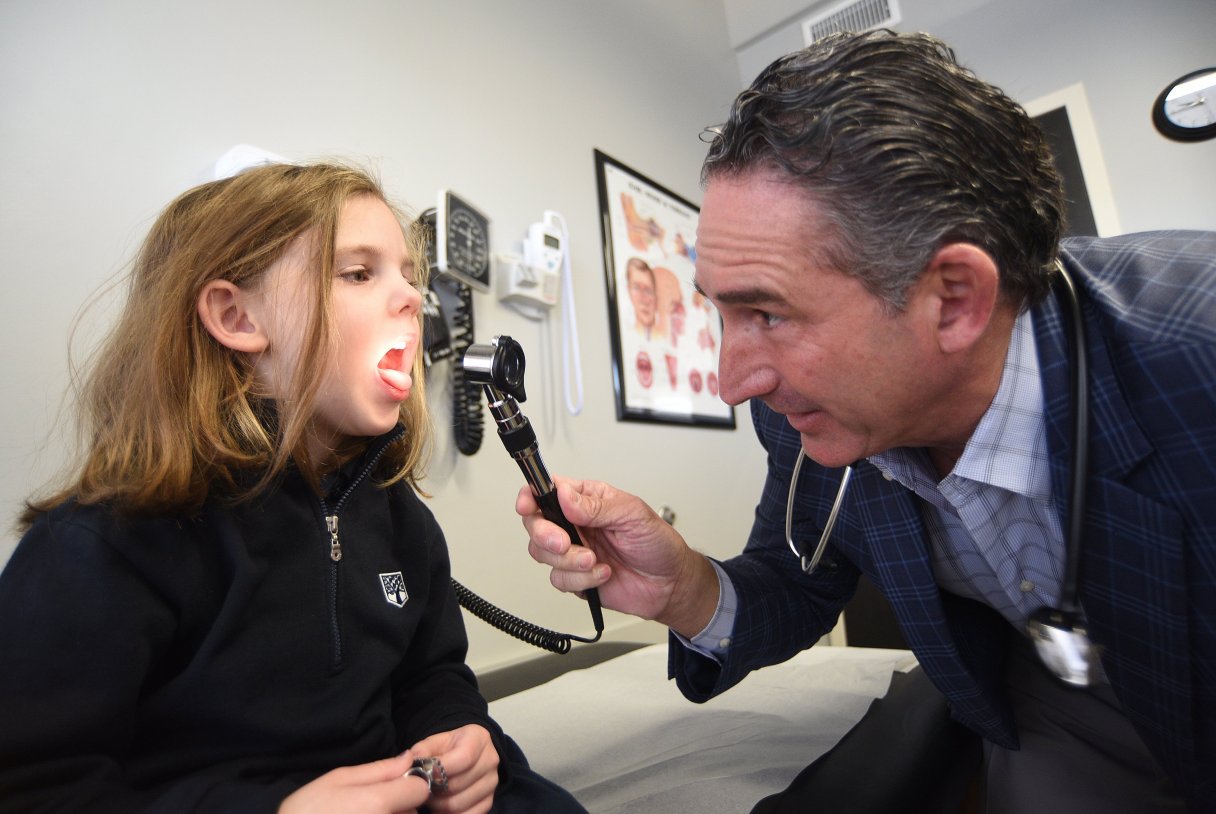
Dr. Marc Cromie, a pediatric and adult allergist with the Chattanooga Allergy Clinic, has seen more patients experiencing more severe respiratory symptoms this year because of higher pollen counts over a prolonged period of time.
“(This year has) been probably one of the worst I’ve seen in years where people are really having a lot of problems with their allergies this time of year,” Cromie said in a phone interview Monday.
Cromie attributes the higher pollen counts and longer pollen season to the weather the region has seen in recent months, influenced by climate change trends. Warmer temperatures and changing weather patterns have resulted in prolonged and increased pollen production during pollen season, according to the American Academy of Allergy, Asthma and Immunology.
(READ MORE: COVID-19 or allergies? Chattanooga doctors explain how to tell the difference)
Trees and grasses are contributing to much of the pollen that is causing people to experience worse allergy symptoms.
According to the Chattanooga-Hamilton County Air Pollution Control Bureau’s Air Quality Report, the pollen count on May 12 for grasses was 41 and for trees was 114. A count between 20 and 199 for grasses is considered high, while a count between 90 and 1,499 for trees is considered high.
“Right now, we have both pollens out, so this is a bad time for a lot of (people) that are allergic to tree pollens and grass pollens,” Cromie said.
(READ MORE: Sorry, seasonal allergy sufferers, local honey is no miracle cure)
Preventative measures to help people reduce their allergy symptoms include taking a shower after being outside, washing clothes to get rid of lingering pollen and staying indoors on days when pollen counts are high. Cromie suggests using antihistamine medicines and nasal sprays. For those with more severe allergies, he suggests allergy shots, which help the body become immunized to allergens.
According to Cromie, people can expect tree and grass pollens to last through June. While a break in the pollen season will occur in late summer, people will experience pollen allergies again going into the fall resulting from weed pollens.
Contact Sam Still at sstill@timesfreepress.com.